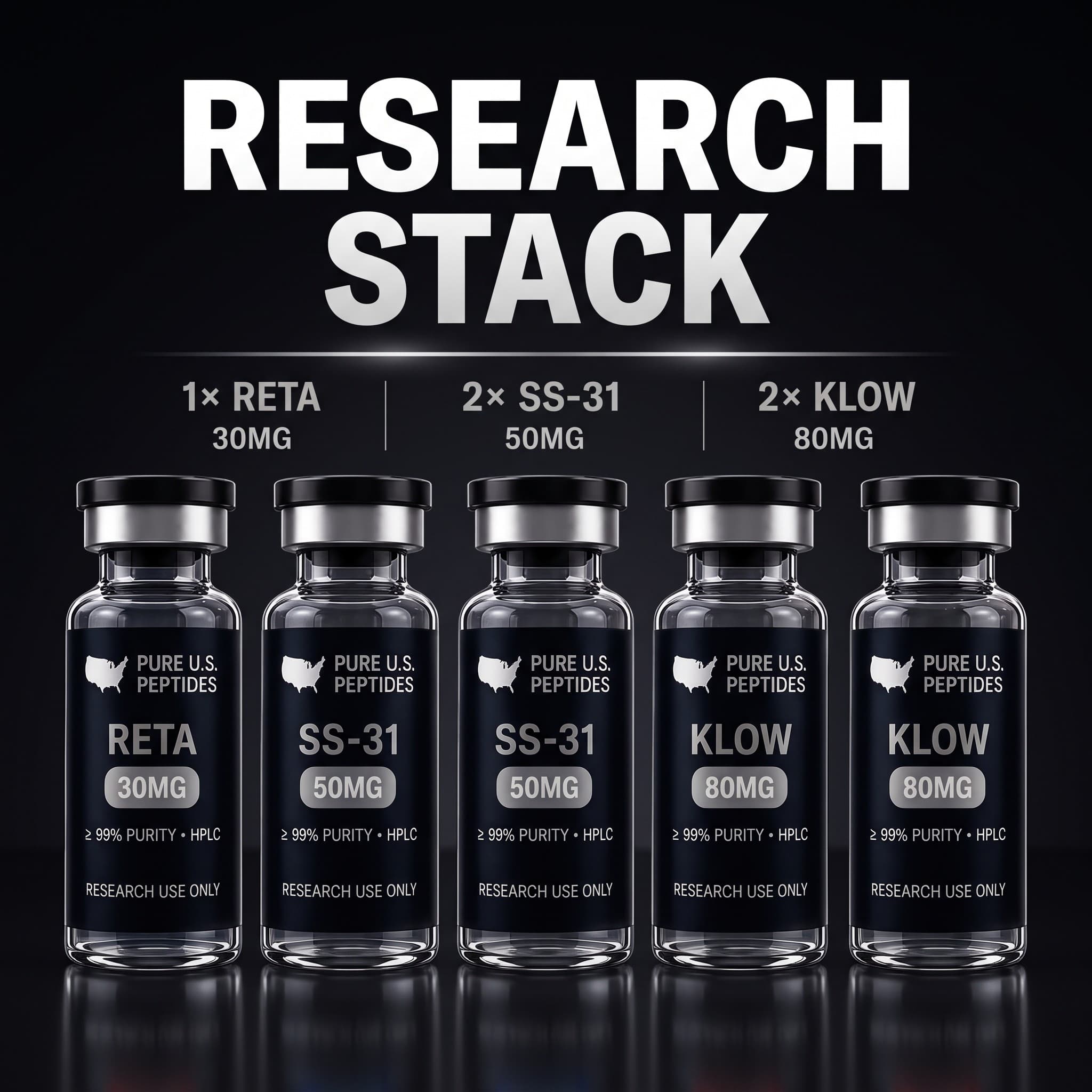
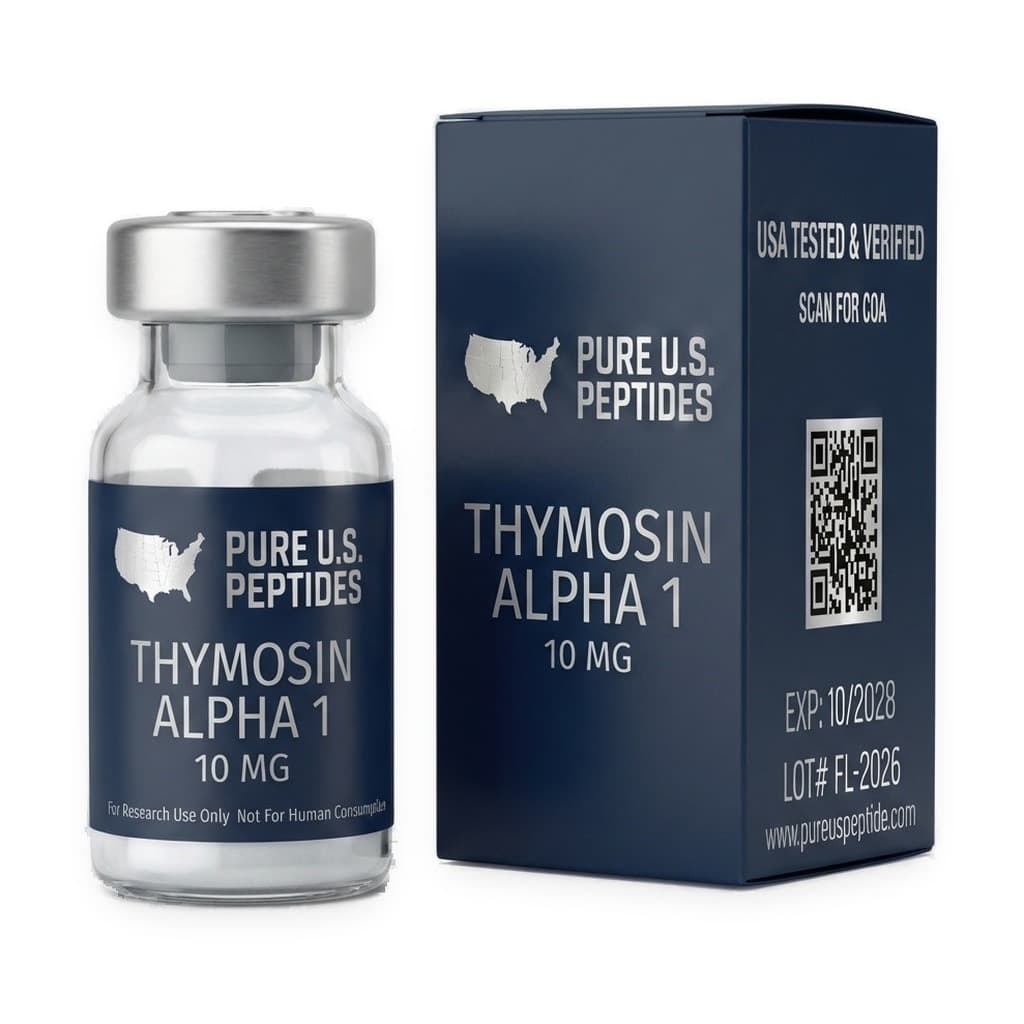
Thy Alpha 1 10mg
In Stock & Ready to Ship from USA
FREE shipping on every U.S. order
Secure checkout via encrypted payment processor


 +2.9k
+2.9kResearch Use Only
These products are for laboratory research only and not intended for medical use. They are not FDA-approved to diagnose, treat, cure, or prevent any disease. By purchasing, you certify they will be used solely for research and not for human or animal consumption.
Research Summary
24 PubMed CitationsThymosin Alpha 1 (Tα1), also known as thymalfasin (trade name Zadaxin), is a highly conserved, acidic polypeptide consisting of 28 amino acid residues with a molecular weight of 3,108.3 Da and an isoelectric point (pI) of 4.2. [1] [2] Origin: Tα1 was originally isolated from thymosin fraction 5 (TF5) — a crude extract from calf thymus — in 1977 by Dr. Allan L. Goldstein at the Albert Einstein College of Medicine. [2] It is derived from a larger precursor protein called prothymosin alpha (ProTα) (109–111 amino acids) via cleavage by the lysosomal asparaginyl endopeptidase legumain (δ-secretase). [3] Structural Features: Linear polypeptide, N-terminally acetylated, no disulfide bonds, no glycosylation. In aqueous solution, Tα1 is intrinsically disordered; upon binding to membranes or receptors, it adopts an α-helix conformation (residues 14–26). [8] Regulatory Status: International: Approved in 30+ countries (China, Italy, Asia, Latin America, Eastern Europe) for chronic hepatitis B, hepatitis C, and...
Thy Alpha 1 10mg at a glance
| Specification | Detail |
|---|---|
| Identity | Thymosin alpha-1 (thymalfasin), 28 amino acids |
| Listed amount | 10mg |
| Product distinction | Research-grade material, not the pharmaceutical brand Zadaxin |
| Lot certificate | Published for thy-alpha-1-10mg; confirm the supplied lot matches |
| Price | $53.55 |
| Price per mg | $5.35 per mg |
| Dispatch | Same business day for orders before 2:00 PM EST Monday through Friday |
| U.S. shipping | Free on every order |
| Included with every order | Free BAC water vial; Research Use Only |
| Product status | This listing is not an FDA-approved drug. Strictly for laboratory Research Use Only. |
Current price and availability are shown in the purchase panel at the top of this page.
Thy Alpha 1 — Research Data at a Glance
| Property | Value |
|---|---|
| Molecular Formula | C₁₂₉H₂₁₅N₃₃O₅₅ |
| Molecular Weight | 3108.3 Da |
| CAS Number | 62304-98-7 (also 69440-99-9, 69521-94-4) |
| Amino Acid Sequence | Ac-SDAAVDTSSEITTKDLKEKKEVVEEAEN-OH (28 aa) |
| PubMed Citations Referenced | 24 |
| Contributing Researchers | 3 |
| Storage Conditions | Lyophilized: 2–8°C (refrigerated); -20°C for long-term desiccated storage, protected from light. |
| Purity Standard | >99.80% HPLC (published certificate) |
| Research Use Only | Not for human consumption. RUO only. |
Research guide
What is Thy Alpha 1? Read the full research guideOverview
Thymosin Alpha 1 (Tα1), also known as thymalfasin (trade name Zadaxin), is a highly conserved, acidic polypeptide consisting of 28 amino acid residues with a molecular weight of 3,108.3 Da and an isoelectric point (pI) of 4.2. [1] [2]
Origin: Tα1 was originally isolated from thymosin fraction 5 (TF5) — a crude extract from calf thymus — in 1977 by Dr. Allan L. Goldstein at the Albert Einstein College of Medicine. [2] It is derived from a larger precursor protein called prothymosin alpha (ProTα) (109–111 amino acids) via cleavage by the lysosomal asparaginyl endopeptidase legumain (δ-secretase). [3]
Structural Features: Linear polypeptide, N-terminally acetylated, no disulfide bonds, no glycosylation. In aqueous solution, Tα1 is intrinsically disordered; upon binding to membranes or receptors, it adopts an α-helix conformation (residues 14–26). [8]
Regulatory Status:
- International: Approved in 30+ countries (China, Italy, Asia, Latin America, Eastern Europe) for chronic hepatitis B, hepatitis C, and as a vaccine adjuvant/chemotherapy adjunct. [5]
- FDA: Orphan compound designation for HCC, malignant melanoma, and DiGeorge anomaly. NOT generally registered for marketing. [9]
- FDA Category 2: As of 2023/2024, placed on the Category 2 Bulk Drug Substances list, restricting compounding pharmacy use. [7]
- WADA: May fall under broader banned peptide categories (note: Thymosin Beta-4 is explicitly prohibited; Tα1 status is context-dependent).
Developer: Originally developed by Alpha 1 Biomedicals Inc.; commercial rights acquired by SciClone Pharmaceuticals, which launched Zadaxin globally. [9]
Pharmacokinetic Highlights:
- Half-Life: ~2 hours (serum)
- Urinary Excretion: 31–60% recovered in urine
Mechanism of Action
1. Parent Molecule — Prothymosin Alpha
Tα1 is the N-terminal fragment (residues 1–28) of the larger precursor protein prothymosin alpha (ProTα), an acidic nuclear protein of 109–111 amino acids involved in chromatin remodeling and cell proliferation. ProTα is cleaved by the lysosomal enzyme legumain (δ-secretase) to release the bioactive Tα1 peptide. [3]
Structural Conformation: In aqueous solution, Tα1 is intrinsically unstructured (disordered). Upon interaction with negatively charged membranes (especially those exposing phosphatidylserine) or organic solvents, it adopts a structured conformation with an α-helix from residues 14–26 and two double β-turns in the N-terminal residues. [8]
2. Primary Receptor Targets
Tα1 functions as a pleiotropic modulator by interacting with pattern recognition receptors (PRRs) and specific membrane components:
- TLR9 and TLR2 Agonist: Signals through TLR9 in plasmacytoid dendritic cells (pDCs) and TLR2 in myeloid dendritic cells (mDCs). [4]
- Membrane Interaction: N-terminal inserts into hydrophobic regions of cell membranes, particularly those exposing phosphatidylserine (PS) (found on apoptotic cells), triggering signal transduction.
- Hyaluronic Acid (HA) Interaction: C-terminal “LKEKK” motif interacts electrostatically with HA, potentially interfering with CD44/RHAMM binding and suppressing tumor progression.
3. Downstream Signaling Cascades
A. MyD88 → TRAF6 → IKK → NF-κB (Immune Activation):
TLR9/TLR2 stimulation recruits the adaptor protein MyD88, activating TRAF6 → IKK complex → NF-κB transcription factor, promoting cytokine gene expression (IL-2, IFN-γ, IL-12). Often involves atypical PKC. [4] [10]
B. p38 MAPK / JNK (DC Maturation):
Tα1 induces phosphorylation of p38 MAPK and JNK (c-Jun N-terminal kinase). The p38 MAPK pathway is critical for dendritic cell maturation and production of Th1-priming cytokines. [11]
C. cAMP / PKC (Anti-Apoptosis in Thymocytes):
In thymocytes, Tα1 antagonizes steroid-induced apoptosis by stimulating cAMP production and activating PKC-dependent pathways.
D. IDO1 Pathway → Immune Tolerance:
Through TLR9 and Type I interferon receptor signaling, Tα1 induces IDO1 in dendritic cells, activating tryptophan catabolism (kynurenines), which promotes generation of regulatory T cells (Tregs) — inducing immune tolerance and dampening excessive inflammation/cytokine storms. [12]
🔑 Dual Role: Tα1 uniquely provides both immune activation (NF-κB, MAPK → cytokines, T-cell maturation) AND immune tolerance (IDO1 → Tregs), depending on the immunological context. This dual capacity is central to its clinical versatility.
The product supplied here is for research use only regardless of regulatory status of related formulations.
4. Cellular and Tissue-Level Effects
- Promotes functional maturation, increasing expression of HLA-DR, CD86, and CD40
- Stimulates IL-12 production → drives Th1 phenotype (antiviral/antitumor) [4]
- Can also promote tolerance via IDO1 pathway [12]
T-Cells:
- Promotes differentiation of stem cells into thymocytes
- Increases activated CD4+ and CD8+ T cell numbers
- Antagonizes glucocorticoid-induced apoptosis in immature thymocytes
- Activates complement receptor (CR)-mediated phagocytosis (via actin/vinculin recruitment), distinct from Fc receptor mechanisms [13]
- Dose-dependent response at 50–100 ng/mL
Tumor Cells:
- Upregulates MHC Class I expression, making tumors more visible to cytotoxic T cells
- Can directly inhibit cell proliferation in certain cancer lines
- Enhances NK cell activity and function [5]
5. Selectivity and Cross-Reactivity
Tα1 acts as a “regulator of regulators” — modulating the sensitivity of TLRs to other stimuli (e.g., viral antigens) rather than solely acting as a direct agonist. It is highly conserved across mammalian species (human, bovine, porcine, ovine). [5]
Distinct from Thymosin Beta-4 (TB-500): While Tα1 focuses on adaptive/innate immune modulation (TLR/T-cell maturation), TB-500 is primarily an actin-sequestering protein involved in cell motility, wound healing, and tissue repair.
6. Pharmacokinetics
| Parameter | Value |
|---|---|
| Half-Life (T½) | ~2 hours |
| Urinary Excretion | 31–60% recovered in urine |
| Dose-Response | Proportional Cmax/AUC across the published single- and multiple-exposure range |
| Accumulation | No evidence of accumulation with repeated exposure |
| Albumin Binding | C-terminal residues 11–20 bind HSA (carrier) |
Research Applications
🦠 Viral Infections (Hepatitis B & C)
Tα1 is most established for chronic Hepatitis B (CHB) and Hepatitis C (CHC). Studied in chronic hepatitis B trials; endpoints reported in the cited references. [5]
🎯 Oncology (Solid Tumors)
Tα1 has been studied alongside chemotherapy (e.g., dacarbazine) and immunotherapy (e.g., ipilimumab) in malignant melanoma, hepatocellular carcinoma (HCC) and NSCLC trials; survival and toxicity endpoints are reported in the cited references. [14] [15]
🏥 Sepsis
In severe sepsis, Tα1 reverses immunosuppression by upregulating HLA-DR expression on monocytes and preventing lymphocyte apoptosis. The ETASS trial (n=361) assessed a mortality endpoint. [16]
🦠 COVID-19 / SARS
A Wuhan retrospective study (n=76) of severe COVID-19 reported lymphocyte-count and T-cell-exhaustion marker endpoints. [17]
💉 HIV/AIDS
Studied as adjunct to HAART, with CD4+ T-cell count and sjTREC endpoints reported (markers of thymic output). [18]
💉 Vaccine Adjuvant
Enhances immunogenicity of influenza, H1N1, and HBV vaccines, particularly in immunocompromised populations (elderly, hemodialysis study subjects). In hemodialysis study subjects, H1N1-vaccine seroconversion endpoints were reported.01). [19]
🫁 Cystic Fibrosis (CF)
Tα1 has shown potential to correct maturation/activity of mutated F508del-CFTR protein while simultaneously reducing lung inflammation, though reproducibility has been debated. [20]
🍄 Fungal & Bacterial Infections
Activates dendritic cells for Th1 resistance against invasive aspergillosis and enhances resistance to Pseudomonas in bone marrow transplant settings. [4]
🔬 Autoimmune Diseases
study subjects with psoriatic arthritis, rheumatoid arthritis, and SLE exhibit lower serum Tα1 levels. [21]
Biochemical Characteristics
| Property | Value |
|---|---|
| Formula | C₁₂₉H₂₁₅N₃₃O₅₅ |
| Molecular Weight | 3108.3 Da |
| Synonyms | Thymalfasin, Zadaxin, Tα1, Talpha1, Alpha1-thymosin |
| Cas Number | 62304-98-7 (also 69440-99-9, 69521-94-4) |
| Sequence | Ac-SDAAVDTSSEITTKDLKEKKEVVEEAEN-OH (28 aa) |
| Pubchem Cid | 16130571 |
| Monoisotopic Mass | 3106.5041 g/mol |
| Polar Area | N/A |
| Complexity | N/A |
| X Log P | N/A |
| Heavy Atom Count | N/A |
| H Bond Donor Count | N/A |
| H Bond Acceptor Count | N/A |
| Rotatable Bond Count | N/A |
Identifiers
| Pubchem Cid | |
|---|---|
| Inchi Key | |
| Inchi | |
| Smiles Isomeric | |
| Smiles Canonical | |
| Iupac Name |
Preclinical Research Summary
Clinical Trials
✅ Thymosin Alpha 1 is one of the most clinically studied peptides in existence, with 10+ completed clinical trials and approval in 30+ countries as Zadaxin (thymalfasin).
| Trial | Phase | n= | Indication | Key Result | Status |
|---|---|---|---|---|---|
| ETASS | Phase 3 | 361 | Severe sepsis | Mortality endpoint | — |
| TESTS | Phase 3 | 1,106 | Sepsis | Mortality endpoint | — |
| US HBV | Phase 3 | 99 | Hepatitis B | Virologic-response endpoint | — |
| Japan HBV | RCT | 316 | Hepatitis B | ALT-normalization endpoint | — |
| HCV Triple | RCT | 552 | Hepatitis C | Sustained-virologic-response endpoint | — |
| Wuhan COVID | Retro | 76 | Severe COVID-19 | Immune-marker endpoints | — |
| Melanoma | Phase 2 | 488 | Metastatic melanoma | Overall-survival endpoint | — |
| NIBIT-M4 | F/U | 95 | Melanoma + Ipilimumab | Overall-survival endpoint | — |
| GASTO-1043 | Phase 2 | 196 | NSCLC + chemoRT | Pneumonitis endpoint | — |
| H1N1 Vaccine | Pilot | 122 | Hemodialysis study subjects | Seroconversion endpoint | — |
Preclinical Animal Data (Selected)
- Lung Cancer (LLC/H460): 0.25 mg/kg × 11 days — 40.5% tumor volume inhibition (LLC), 21.9% inhibition (H460). Promoted CD4+/CD8+ T cell infiltration. [22]
- Melanoma (B16F10): Monotherapy reduced lung metastases by 32% (P<0.05); tumor growth decreased 34–46% (P=0.001–0.015). [5]
- Lung Adenoma Prevention: 0.4 mg/kg daily — reduced adenoma multiplicity by ~45% at 2.5 months.
- Leukemia/Carcinoma Combo: Tα1 (200 µg/kg) + IL-2/IFN + cyclophosphamide: tumor-regression endpoints reported in FLC and 3LL models. [23]
- Sepsis (CLP): Tα1 + dexamethasone achieved highest survival rate; reversed DC depletion.
- Immunosuppression: 100–1,000× more active than thymosin fraction 5 in restoring immunity in 5-FU models.
- Aging: Restored antibody and T-cell responses in aged mice (23–24 months) to levels comparable to young animals. [24]
- Arthritis (CIA): 0.25–1 mg/kg reduced paw volume, weight, and arthritic scores.
Reported Tolerability Profile
Tα1 is consistently reported as well-tolerated across 2,000+ clinical subjects. [1]
- Common: Local reactions (most frequent)
- Rare: Fever, fatigue, muscle aches, nausea (usually when combined with IFN)
- Hepatic: Transient ALT flares in HBV research application (often a sign of experimental effect)
- Serious (rare): Fatal immune hemolytic anemia and engraftment failure in HSCT recipients
- Preclinical: Single doses up to 20 mg/kg and 13-week repeated doses up to 6 mg/kg/day showed no observed toxicity
Handling: Handle with standard laboratory PPE. Consult the SDS.
ALL ARTICLES AND PRODUCT INFORMATION PROVIDED ON THIS WEBSITE ARE FOR INFORMATIONAL AND EDUCATIONAL PURPOSES ONLY.
Authors & Attribution
✍️ Article Author
Dr. Allan L. Goldstein
Allan L. Goldstein, PhD, is Professor Emeritus at the George Washington University (GW) School of Medicine and Health Sciences. He originally isolated and characterized Thymosin Alpha 1 from thymic tissue (thymosin fraction 5) in 1977 at the Albert Einstein College of Medicine, establishing it as a biological response modifier capable of restoring immune function. His foundational PNAS paper (1977) launched the field of thymosin biology and led to the development of Zadaxin (thymalfasin) for experimental investigation in 30+ countries. Allan L. Goldstein is being referenced as one of the leading scientists involved in the research and development of Thymosin Alpha 1. In no way is this doctor/scientist endorsing or advocating the purchase, sale, or use of this product for any reason. There is no affiliation or relationship, implied or otherwise, between Pure US Peptide and this doctor.
View Full Researcher Profile →🎓 Scientific Journal Author
Dr. Enrico Garaci
Enrico Garaci, MD, is affiliated with the University San Raffaele Roma and the Istituto Superiore di Sanita. He pioneered combination experimental protocol strategies using Thymosin Alpha 1 with chemotherapy (cyclophosphamide) and cytokines (IL-2, IFN) in cancer and infectious-disease models. His studies reported tumor-regression endpoints in leukemia and lung carcinoma models, and his 2007 historical overview in the Annals of the New York Academy of Sciences remains a cornerstone reference for the field. Enrico Garaci is being referenced as one of the leading scientists involved in the research and development of Thymosin Alpha 1. In no way is this doctor/scientist endorsing or advocating the purchase, sale, or use of this product for any reason. There is no affiliation or relationship, implied or otherwise, between Pure US Peptide and this doctor.
View Full Researcher Profile →Dr. Enrico Garaci is being referenced as one of the leading scientists involved in the research and development of Thy Alpha 1. In no way is this doctor/scientist endorsing or advocating the purchase, sale, or use of this product for any reason. There is no affiliation or relationship, implied or otherwise, between Pure US Peptide and this doctor. The purpose of citing the doctor is to acknowledge, recognize, and credit the exhaustive research and development efforts conducted by the scientists studying this peptide.
🔬 Contributing Researcher
Dr. Luigina Romani
Luigina Romani, MD, PhD, is Professor at the University of Perugia, Italy. She uncovered the critical TLR9-mediated IDO1 activation mechanism by which Thymosin Alpha 1 induces immune tolerance via tryptophan catabolism and regulatory T cell generation. Her 2004 Blood paper on TLR signaling and 2006 Blood paper on IDO1/kynurenine pathways defined the dual immune activation/tolerance paradigm. She also led groundbreaking research on T alpha 1 for cystic fibrosis (Nature Medicine, 2017) and antifungal immunity. Luigina Romani is being referenced as one of the leading scientists involved in the research and development of Thymosin Alpha 1. In no way is this doctor/scientist endorsing or advocating the purchase, sale, or use of this product for any reason. There is no affiliation or relationship, implied or otherwise, between Pure US Peptide and this doctor.
View Full Researcher Profile →Dr. Luigina Romani is being referenced as one of the leading scientists involved in the research and development of Thy Alpha 1. In no way is this doctor/scientist endorsing or advocating the purchase, sale, or use of this product for any reason. There is no affiliation or relationship, implied or otherwise, between Pure US Peptide and this doctor. The purpose of citing the doctor is to acknowledge, recognize, and credit the exhaustive research and development efforts conducted by the scientists studying this peptide.
Referenced Citations
Dominari A, Hathaway III D, Pandav K, et al. Thymosin alpha 1: A comprehensive review of the literature. World J Virol, 9(5), 67-78, 2020.
PubMedGoldstein AL, Low TL, McAdoo M, et al. Thymosin alpha1: Isolation and sequence analysis of an immunologically active thymic polypeptide. Proc Natl Acad Sci USA, 74(2), 725-729, 1977.
PubMedLi J, Liu CH, Wang FS. Thymosin alpha 1: biological activities, applications and genetic engineering production. Peptides, 31(11), 2151-2158, 2010.
PubMedRomani L, Bistoni F, Gaziano R, et al. Thymosin alpha 1 activates dendritic cells for antifungal Th1 resistance through toll-like receptor signaling. Blood, 103(11), 4232-4239, 2004.
PubMedKing R, Tuthill C. Vitamins and Hormones, 102, 151-178, 2016.
PubMedPica F, Chimenti MS, Gaziano R, et al. Clin Exp Immunol, 186(1), 39-45, 2016.
PubMedFDA. Certain Bulk Drug Substances for Use in Compounding that May Present Significant Safety Risks. U.S. Food and Drug Administration, 2025.
FDA.govElizondo-Riojas MA, Chamow SM, Tuthill CW, et al. Biochem Biophys Res Commun, 416(3-4), 356-61, 2011.
PubMedBillich A. Thymosin alpha1. SciClone Pharmaceuticals. Curr Opin Investig Drugs, 3(5), 698-707, 2002.
PubMedGaraci E. Thymosin alpha1: a historical overview. Ann N Y Acad Sci, 1112, 14-20, 2007.
PubMedTao N, Xu X, Ying Y, et al. Molecules, 28(8), 3539, 2023.
PubMedRomani L, Bistoni F, Perruccio K, et al. Thymosin alpha1 activates dendritic cell tryptophan catabolism and establishes a regulatory environment for balance of inflammation and tolerance. Blood, 108(7), 2265-74, 2006.
PubMedSerafino A, Pica F, Andreola F, et al. J Innate Immun, 6(1), 72-88, 2014.
PubMedMaio M, Mackiewicz A, Testori A, et al. J Clin Oncol, 28(10), 1780-1787, 2010.
PubMedCostantini C, Bellet MM, Pariano M, et al. Front Oncol, 9, 873, 2019.
PubMedWu J, Zhou L, Liu J, et al. Critical Care, 17(1), R8, 2013.
PubMedLiu Y, Pan Y, Hu Z, et al. Clin Infect Dis, 71(16), 2150-2157, 2020.
PubMedMatteucci C, Grelli S, Balestrieri E, et al. Future Microbiol, 12, 141-155, 2017.
PubMedCarraro G, Naso A, Montomoli E, et al. Vaccine, 30(6), 1170-1180, 2012.
PubMedRomani L, Oikonomou V, Moretti S, et al. Nat Med, 23(5), 590-600, 2017.
PubMedPica F, Chimenti MS, Gaziano R, et al. Serum thymosin alpha 1 levels in chronic inflammatory autoimmune diseases. Clin Exp Immunol, 186(1), 39-45, 2016.
PubMedPeng R, Xu C, Zheng H, et al. Modified Thymosin Alpha 1 Distributes and Inhibits the Growth of Lung Cancer in Vivo. ACS Omega, 5(18), 10374-10381, 2020.
PubMedGaraci E, Mastino A, Pica F, Favalli C. Cancer Immunol Immunother, 32(3), 154-160, 1990.
PubMedSimonova MA, Ivanov I, Shoshina NS, et al. Aging and Thymosin Alpha-1. Int J Mol Sci, 26(23), 11470, 2025.
PubMedRUO Disclaimer
For Research Use Only (RUO). Not intended for human consumption, clinical use, or as a drug, food, cosmetic, or medical device. This product has not been evaluated by the FDA and is supplied solely for in-vitro laboratory research by qualified professionals.
Certificate of Analysis
Published certificates come from third-party laboratories. If this listing's certificate is still pending, the card below says so.
Latest Lab Report
Storage & Handling
Summary
Lyophilized: 2–8°C (refrigerated); -20°C for long-term desiccated storage, protected from light.
❄️ Lyophilized Powder Storage
Store vials refrigerated between 2°C and 8°C (36–46°F). For long-term research storage, keep at -20°C or below, desiccated. Stability at room temperature for up to 3 weeks has been reported, but refrigeration is strongly recommended.
⚠️ Handling
Avoid repeated freeze-thaw cycles.
📊 Quality documentation
Published certificates report HPLC purity and endotoxin where tested. This product is for research use only (RUO).
“Clinical Trials ✅ Thymosin Alpha 1 is one of the most clinically studied peptides in existence, with 10+ completed clinical trials and approval in 30+ countries as Zadaxin (thymalfasin).”
Frequently Asked Questions
Common research questions about Thy Alpha 1 — purity, handling, COA documentation, and published-research context.
Related Research Compounds
Adamax
30mg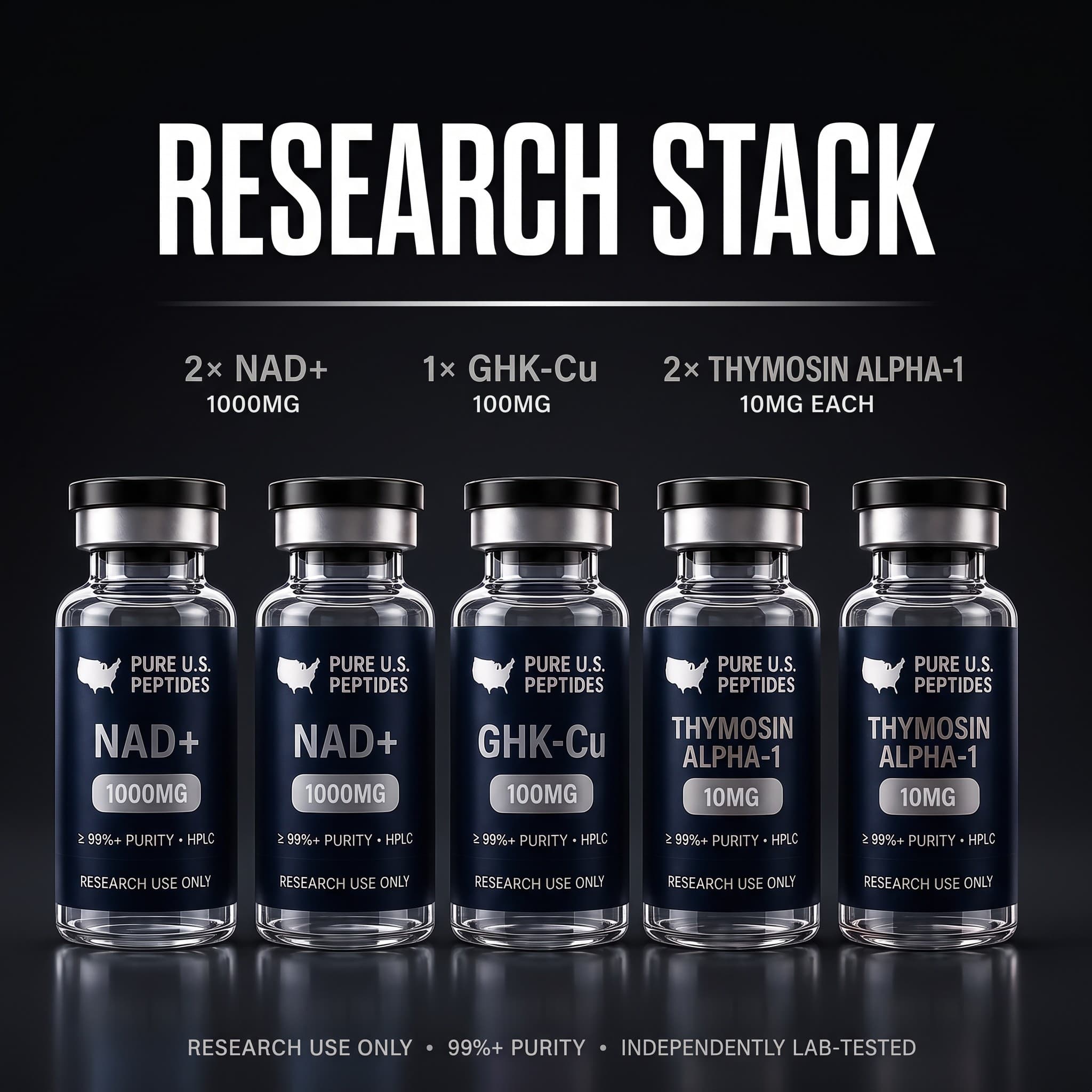
Long Shot Research Kit
Grand Slam Research Kit