
Biorreguladores
Aviso
TODOS OS ARTIGOS E INFORMACOES SOBRE PRODUTOS FORNECIDOS NESTE SITE SAO APENAS PARA FINS INFORMATIVOS E EDUCACIONAIS. Os produtos oferecidos neste site sao fornecidos apenas para estudos in vitro. Estudos in vitro (do latim: em vidro) sao realizados fora do corpo. Estes produtos nao sao medicamentos ou drogas e nao foram aprovados pela FDA para prevenir, tratar ou curar qualquer condicao medica, enfermidade ou doenca. A introducao corporal de qualquer tipo em humanos ou animais e estritamente proibida por lei.
O que Sao Biorreguladores?
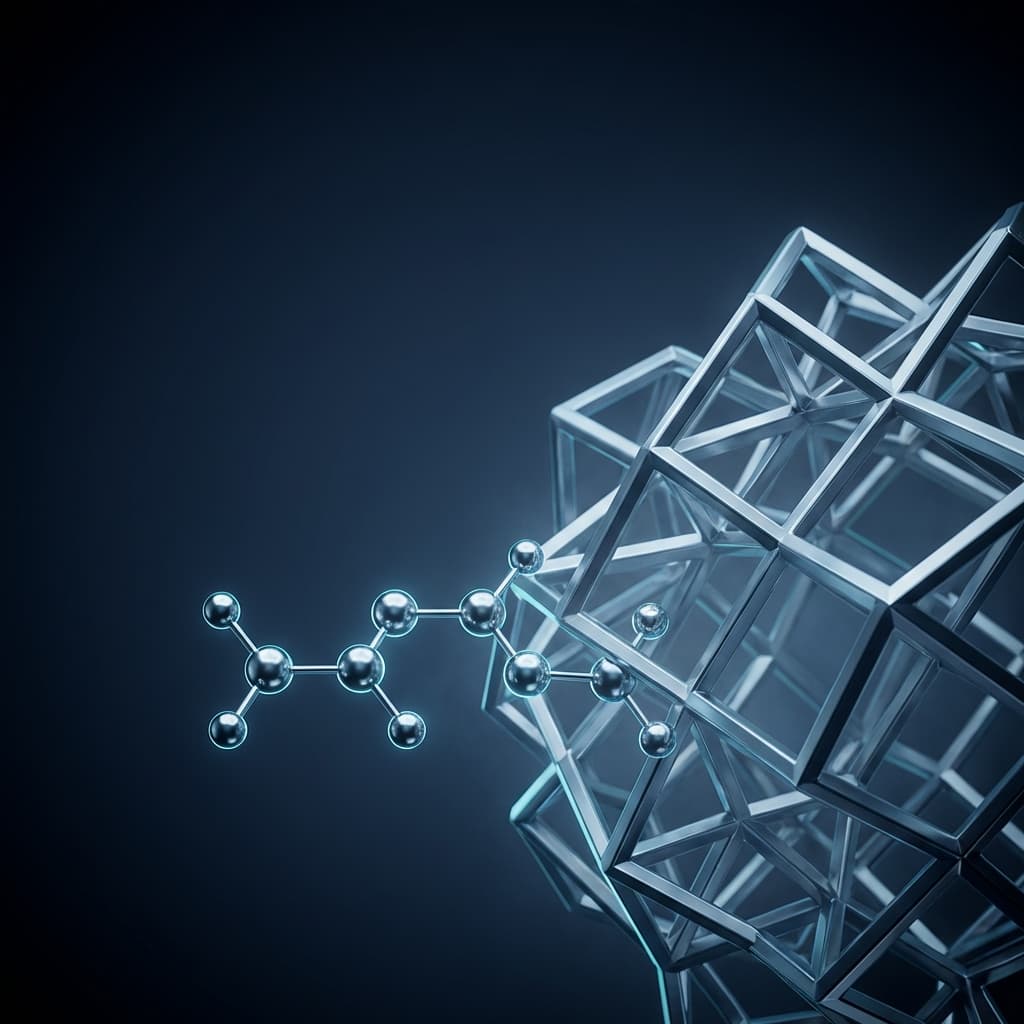
Biorreguladores, tambem conhecidos como peptideos biorregulatorios ou peptideos de Khavinson (nomeados em homenagem ao Professor Vladimir Khavinson, que foi pioneiro em sua pesquisa), sao sequencias peptidicas ultracurtas tipicamente compostas por apenas 2 a 4 aminoacidos. Esses pequenos peptideos sao estudados por sua capacidade de penetrar membranas celulares, interagir com sequencias especificas de DNA e modular a expressao genica de maneira tecido-especifica. Diferentemente de peptideos maiores que tipicamente atuam ligando-se a receptores na superficie celular, os biorreguladores sao hipotetizados a trabalhar no nivel epigenetico, influenciando como os genes sao lidos e expressos dentro de tipos celulares especificos.
Como os Biorreguladores Sao Estudados
A pesquisa sobre biorreguladores se concentra em seu potencial de interagir com as regioes promotoras de genes especificos. Estudos in vitro usando modelos de cultura celular examinaram como essas sequencias peptidicas curtas podem influenciar a sintese de proteinas, a proliferacao celular e a diferenciacao celular. Devido ao seu peso molecular muito pequeno (tipicamente abaixo de 500 Da), os biorreguladores apresentam propriedades farmacocineticas interessantes, incluindo estabilidade relativamente alta e a capacidade teorica de atravessar membranas celulares sem mecanismos de transporte especializados. O campo continua sendo uma area ativa de investigacao, com estudos em andamento explorando a especificidade e os mecanismos dessas interacoes peptideo-DNA.
Categorias de Biorreguladores
Os biorreguladores sao frequentemente classificados de acordo com os tecidos ou sistemas de orgaos em relacao aos quais foram estudados. Exemplos estudados na literatura de pesquisa incluem peptideos investigados por suas interacoes com tecido timico, celulas da glandula pineal, endotelio vascular, tecido retiniano e varios outros tipos celulares especificos de orgaos. Cada biorregulador e caracterizado por sua sequencia unica de aminoacidos e as regioes promotoras genicas especificas com as quais foi observado interagir em ambientes experimentais.
Consideracoes de Pesquisa
Como todos os peptideos de pesquisa, os biorreguladores disponiveis na Pure U.S. Peptides destinam-se exclusivamente a pesquisa laboratorial in vitro. A qualidade e pureza dos peptideos biorregulatorios e especialmente importante porque suas sequencias extremamente curtas significam que mesmo impurezas menores podem representar uma fracao molar significativa da amostra total. Os certificados publicados informam a pureza por HPLC e as endotoxinas quando testadas; os certificados sao publicados em nossa pagina de certificados, e os produtos sem certificado mostram um indicador de pendente.