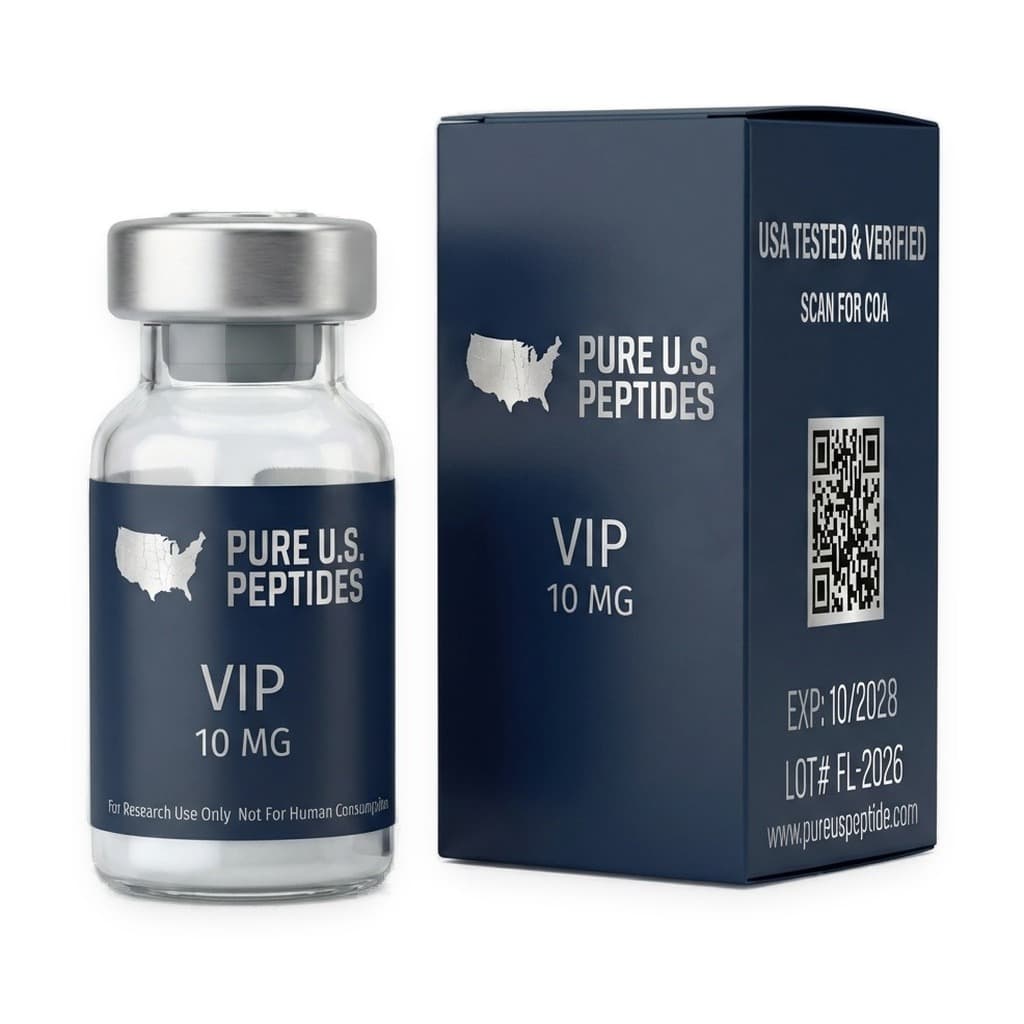
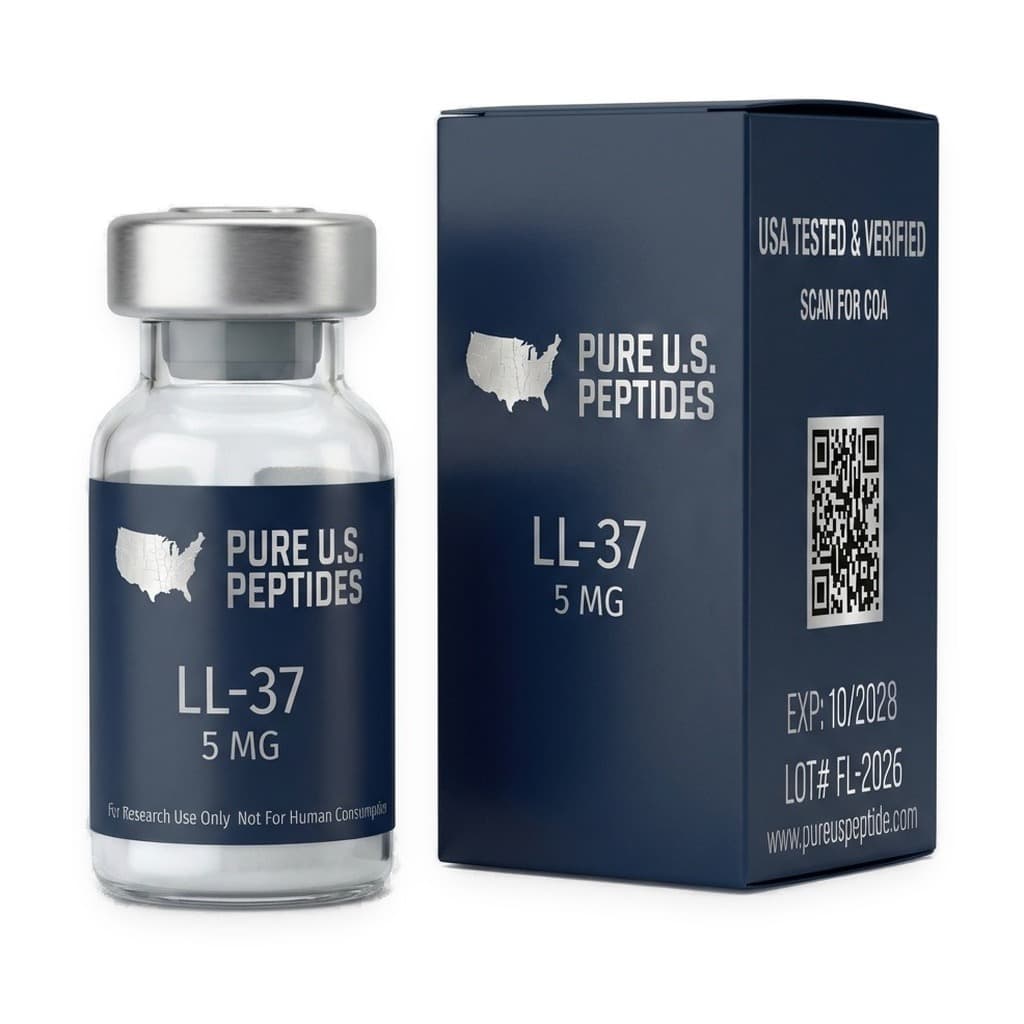
LL-37 5mg
En Stock y Listo para Envío desde EE.UU.
Envío GRATIS en todos los pedidos de EE.UU.
Pago seguro mediante procesador de pagos encriptado


 +2.9k
+2.9kSolo para Uso en Investigación
Estos productos son exclusivamente para investigación de laboratorio y no están destinados para uso médico. No están aprobados por la FDA para diagnosticar, tratar, curar o prevenir ninguna enfermedad. Al realizar su compra, usted certifica que serán utilizados exclusivamente para investigación y no para consumo humano o animal.
Resumen de Investigación
24 Citas PubMedDescripción General LL-37 es un péptido antimicrobiano (AMP) catiónico de 37 residuos y el único miembro de la familia de las catelicidinas identificado en humanos. Su secuencia de aminoácidos es LLGDFFRKSKEKIGKEFKRIVQRIKDFLRNLVPRTES.[1] Molécula precursora: LL-37 se deriva de una proteína precursora más grande e inactiva llamada hCAP18 (Proteína Antimicrobiana Catiónica humana, 18 kDa). El gen CAMP en el cromosoma 3p21.3 codifica hCAP18. El péptido activo LL-37 se libera extracelularmente mediante escisión proteolítica — principalmente por la proteinasa 3 en neutrófilos y las calicreínas (K5/K7) en queratinocitos.[2] Origen celular: Se expresa de forma constitutiva o inducida en neutrófilos (almacenado en gránulos específicos), monocitos, mastocitos y células epiteliales de la piel, el tracto gastrointestinal y el tracto respiratorio.[3] Estructuralmente, LL-37 es un péptido lineal, anfipático (PM 4493,33 Da) con una carga neta de +6 a pH fisiológico. Es libre de cisteína y adopta una estructura α-helicoidal en entornos de membrana, pero permanece desordenado...
LL-37 5mg at a glance
| Specification | Detail |
|---|---|
| Identity | LL-37, a 37-amino-acid cathelicidin peptide |
| Listed amount | 5mg |
| Storage | Store lyophilized LL-37 powder at -20 degrees C. |
| Lot certificate | Published for LL-37 5mg; confirm the supplied lot matches |
| Price | $47.25 |
| Price per mg | $9.45 per mg |
| Dispatch | Same business day for orders before 2:00 PM EST Monday through Friday |
| U.S. shipping | Free on every order |
| Included with every order | Free BAC water vial |
| Product status | This listing is not an FDA-approved drug. Strictly for laboratory Research Use Only. |
Current price and availability are shown in the purchase panel at the top of this page.
LL-37 — Datos de Investigación de un Vistazo
| Propiedad | Valor |
|---|---|
| Citas PubMed Referenciadas | 24 |
| Investigadores Colaboradores | 3 |
| Condiciones de Almacenamiento | Polvo liofilizado/concentrado almacenado a -20°C. |
| Estándar de Pureza | >99.80% por HPLC (certificado publicado) |
| Solo para Uso en Investigación | No destinado al consumo humano. Solo para uso en investigación. |
Research guide
What is LL-37? Read the full research guideDescripción General
Descripción General
LL-37 es un péptido antimicrobiano (AMP) catiónico de 37 residuos y el único miembro de la familia de las catelicidinas identificado en humanos. Su secuencia de aminoácidos es LLGDFFRKSKEKIGKEFKRIVQRIKDFLRNLVPRTES.[1]
Molécula precursora: LL-37 se deriva de una proteína precursora más grande e inactiva llamada hCAP18 (Proteína Antimicrobiana Catiónica humana, 18 kDa). El gen CAMP en el cromosoma 3p21.3 codifica hCAP18. El péptido activo LL-37 se libera extracelularmente mediante escisión proteolítica — principalmente por la proteinasa 3 en neutrófilos y las calicreínas (K5/K7) en queratinocitos.[2]
Origen celular: Se expresa de forma constitutiva o inducida en neutrófilos (almacenado en gránulos específicos), monocitos, mastocitos y células epiteliales de la piel, el tracto gastrointestinal y el tracto respiratorio.[3]
Estructuralmente, LL-37 es un péptido lineal, anfipático (PM 4493,33 Da) con una carga neta de +6 a pH fisiológico. Es libre de cisteína y adopta una estructura α-helicoidal en entornos de membrana, pero permanece desordenado en solución acuosa. Los estudios de RMN revelan un motivo hélice-curvatura-hélice curvado que abarca los residuos 2–31 con una cola C-terminal desordenada.[1]
La expresión de LL-37 en la piel está regulada por la vitamina D. Los niveles anormales de LL-37 están vinculados a la psoriasis (sobreexpresión) y a la dermatitis atópica (supresión).[6]
Mecanismo de Acción
Mecanismo de Acción
Antimicrobiano Primario: Disrupción de Membrana Tipo "Alfombra"
LL-37 disrumpe las membranas bacterianas mediante atracción electrostática a las superficies bacterianas aniónicas → inserción hidrofóbica → formación de poros toroidales o micelización (mecanismo tipo "alfombra"). Actúa preferentemente sobre bacterias Gram-negativas pero es eficaz contra cepas tanto Gram-positivas como resistentes a fármacos. Las membranas eucariotas están protegidas por su alto contenido de colesterol.[3][7]
Dianas Receptoras
| Receptor | Tipo | Efecto Funcional |
|---|---|---|
| FPR2/FPRL1 | GPCR | Quimiotaxis de neutrófilos, monocitos, células T (Yang et al., 2000)[8] |
| P2X7 | Purinérgico | Procesamiento de IL-1β; supervivencia de neutrófilos (Elssner et al., 2004)[8] |
| EGFR | Receptor Tirosina Quinasa | Transactivación → migración de queratinocitos → cicatrización de heridas (Tokumaru et al., 2005)[9] |
| IGF-1R | Receptor Tirosina Quinasa | Agonista parcial → proliferación (Girnita et al., 2012)[10] |
| CXCR2 | Quimioquina | Ligando funcional en neutrófilos (Zhang et al., 2009)[8] |
| MrgX2 | GPCR | Degranulación de mastocitos (Subramanian et al., 2011)[8] |
| TLR9 | Receptor Tipo Toll | Los complejos ADN-LL-37 activan TLR9 endosomal (Lande et al., 2007)[10] |
Cascadas de Señalización Descendentes
- ERK1/2 y p38 MAPK: Cruciales para la migración de queratinocitos y la cicatrización de heridas; modulan la producción de citoquinas en monocitos.[9]
- PI3K/Akt → CREB: Señalización de supervivencia celular vía la vía P2X7–SFK–Akt en queratinocitos.[9]
- mTOR: La activación suprime la autofagia en el cáncer pancreático → acumulación de ERO → daño al ADN.[11]
- NF-κB: Inhibe la translocación de p50/p65 en inflamación (antiinflamatorio); puede activarse en algunos tipos de cáncer (dependiente del contexto).[8]
Actividad Anti-Biopelícula
Inhibe la detección de quórum (sistemas Las/Rhl) y promueve la motilidad de tipo twitching; eficaz a concentraciones sub-CMI (0,5 µg/mL) — muy por debajo de los umbrales bactericidas.[7]
Neutralización de LPS
Se une y neutraliza el lipopolisacárido (LPS), previniendo la activación de macrófagos inducida por endotoxina y la tormenta de citoquinas.[12]
Respuesta Dosis Bifásica
LL-37 exhibe una respuesta dosis distintiva en forma de campana: ≤1 µM = antiapoptótico, procicatrizante; >10 µM = citotóxico.[5]
Comparación con Compuestos Relacionados
| Compuesto | Diferencia Clave |
|---|---|
| hCAP18 | Precursor inactivo de 18 kDa; LL-37 es el dominio C-terminal activo liberado por proteólisis |
| KR-12 | Fragmento truncado (residuos 18–29); conserva la actividad antimicrobiana con menor citotoxicidad |
| D-LL-37 | Enantiómero resistente a proteasas; conserva la actividad antimicrobiana y anti-biopelícula |
| CRAMP (ratón) | Ortólogo murino; homología funcional pero secuencia no idéntica |
Aplicaciones de Investigación
Aplicaciones de Investigación
La investigación sobre LL-37 abarca resistencia antimicrobiana, cicatrización de heridas, oncología e inmunología en más de 8 categorías de indicación:
- Cicatrización de Heridas Crónicas — Promueve el tejido de granulación, la reepitelización y la angiogénesis en úlceras venosas de pierna (UVP) y úlceras del pie diabético (UPD).[5][13]
- Resistencia Antimicrobiana — Actividad de amplio espectro contra bacterias MDR; anti-biopelícula; sinergia con antibióticos convencionales (azitromicina, colistina, ciprofloxacina, vancomicina).[7]
- Oncología (Función Dual) — Antitumorigénico: cáncer de colon, gástrico y pancreático (apoptosis, supresión de autofagia, reprogramación inmune). Protumorigénico: cáncer de mama, pulmón, ovario y melanoma (dependiente del contexto).[11][10]
- Investigación Antiviral — VRS, Influenza A, VHS-1, VIH-1 — disrumpe envolturas virales y bloquea la entrada.[3]
- Investigación Antifúngica — Activo contra Candida albicans y Cryptococcus neoformans mediante permeabilización de membrana.[3]
- Sepsis/Endotoxemia — La neutralización del LPS previene la activación de macrófagos inducida por endotoxina y las tormentas de citoquinas.[12]
- Regeneración Ósea — Estimula la proliferación y la diferenciación osteogénica de las CMMO; recluta CMM a los sitios de lesión.[14]
- Sistemas de Administración de Fármacos — Nanopartículas lipídicas, nanopartículas de quitosano, hidrogeles para mayor estabilidad y menor citotoxicidad.[15]
Características Bioquímicas
| Propiedad | Valor |
|---|---|
| Molecular Formula | C₂₀₅H₃₄₀N₆₀O₅₃ |
| Molecular Weight | 4493.33 Da |
| CAS Number | No establecido |
| PubChem CID | 16198951 |
| Sequence (1-Letter) | LLGDFFRKSKEKIGKEFKRIVQRIKDFLRNLVPRTES |
| Sequence (3-Letter) | Leu-Leu-Gly-Asp-Phe-Phe-Arg-Lys-Ser-Lys-Glu-Lys-Ile-Gly-Lys-Glu-Phe-Lys-Arg-Ile-Val-Gln-Arg-Ile-Lys-Asp-Phe-Leu-Arg-Asn-Leu-Val-Pro-Arg-Thr-Glu-Ser |
| Structure | Lineal, α-hélice anfipática (en membranas), libre de cisteína, motivo hélice-curvatura-hélice curvado (residuos 2–31) |
| Net Charge | +6 a pH fisiológico |
| Gene Origin | Gen CAMP, cromosoma 3p21.3 — codifica el precursor hCAP18 |
| Classification | Péptido Antimicrobiano de Catelicidina / Péptido de Defensa del Huésped |
| Clinical Name | Ropocamptide (Promore Pharma AB) |
Identificadores
| Identity Confirmation | |
|---|---|
| Counter-Ion | |
| Detection Methods |
Resumen de Investigación Preclínica
Resumen de Investigación Preclínica
Estudios Preclínicos Clave
| Estudio | Modelo | Hallazgos Clave | Ref |
|---|---|---|---|
| Zhang et al. (2022) | Ratones C57/BL6, Pan02 PDAC — 20 mg/kg/día × 14d | Reducción del 42% en el crecimiento tumoral (p<0,05); ↓ CMDS y macrófagos M2 (p<0,01); ↑ células T CD4+/CD8+ (p<0,01); menos EA que gemcitabina | [11] |
| Overhage et al. (2008) | Biopelícula de P. aeruginosa — 0,5 µg/mL | Inhibe la formación de biopelícula mediante regulación a la baja de la detección de quórum (Las/Rhl); promueve la motilidad twitching a concentraciones sub-CMI | [7] |
| Wu et al. (2010) | Células de cáncer de colon | LL-37 inhibe el proteasoma → activa la señalización BMP → p21Waf1 → detención del ciclo celular | [10] |
| Koczulla et al. (2003) | Ratones tratados con dexametasona — LL-37 tópico | Aumento de la vascularización y la reepitelización; papel clave en la regeneración de heridas mediante angiogénesis | [9] |
| Beaumont et al. (2014) | Células estromales de médula ósea | Estimula la proliferación y la diferenciación osteogénica de las CMMO; recluta CMM a los sitios de lesión | [14] |
| Tuberculosis (in vivo) | Ratones con M. tuberculosis — ~1 mg/kg IT 3x/sem × 28d | Reducción de 3 a 10 veces en bacilos pulmonares; eficaz contra cepas sensibles a fármacos y MDR | [7] |
Ensayos Clínicos
| Ensayo | Población | Intervención | Resultados Clave | Ref |
|---|---|---|---|---|
| Fase IIb UVP | n=148 | 13 sem | Criterios de valoración de cierre de úlcera y tasa de cicatrización (total y subgrupo) | [16] |
| Fase I/II UVP | n=34 | Tres concentraciones vs placebo (4 sem) | Criterios de valoración de tasa de cicatrización y área de la úlcera | [5] |
| ECA — UPD | n=25 | 4 sem | Criterios de valoración de índice de granulación y carga bacteriana | [13] |
| Fase I Melanoma | n=36 planificados | Escalada de dosis (8 sem) | Criterios de valoración de tolerabilidad y respuesta biológica | [17] |
Resumen de Seguridad
| Parámetro | Hallazgo |
|---|---|
| Clínico | Seguro y bien tolerado en Fase IIb con 148 sujetos; sin preocupaciones de seguridad sistémica; reacciones locales leves (enrojecimiento, edema) |
| Dosis-Dependiente | 3,2 mg/mL → aumento de reacciones locales; respuesta dosis en forma de campana |
| Citotoxicidad | >13–25 µM hacia células eucariotas; significativamente inhibida por suero |
| Riesgo de Cáncer | Dependiente del contexto: antitumorigénico en colon/gástrico/pancreático; protumorigénico en mama/pulmón/ovario/melanoma |
| Interacciones in vitro | Sinergia con antibióticos (azitromicina, colistina, vancomicina); inhibido por glucosaminoglicanos; la vitamina D regula al alza su expresión |
| Estabilidad | Susceptible a degradación por proteasas; vida media plasmática corta; el enantiómero D-LL-37 es resistente a proteasas |
Los productos ofrecidos en este sitio web se proporcionan únicamente para estudios in vitro. Los estudios in vitro (latín: en vidrio) se realizan fuera del cuerpo. Estos productos no son medicamentos ni fármacos y no han sido aprobados por la FDA para prevenir, tratar o curar ninguna condición médica, dolencia o enfermedad. La introducción corporal de cualquier tipo en humanos o animales está estrictamente prohibida por ley.
Solo para Investigación de Laboratorio. No para uso humano, uso médico, uso diagnóstico ni uso veterinario.
TODOS LOS ARTÍCULOS E INFORMACIÓN DE PRODUCTOS PROPORCIONADOS EN ESTE SITIO WEB SON SOLO PARA FINES INFORMATIVOS Y EDUCATIVOS.
Autores y Atribución
✍️ Autor del Artículo
Dr. Gudmundur Hrafn Gudmundsson
Gudmundur Hrafn Gudmundsson es Profesor en la Universidad de Islandia y el Instituto Karolinska (Suecia). Desempeñó un papel fundacional en el descubrimiento de LL-37, clonando el gen FALL-39 y aislando el péptido maduro de neutrófilos humanos. Su trabajo estableció el mecanismo de procesamiento de la proteína precursora hCAP18 en el péptido antimicrobiano activo LL-37. Publicaciones clave: 'FALL-39, a putative human peptide antibiotic, is cysteine-free and expressed in bone marrow and testis' (1995), 'The human gene FALL39 and processing of the cathelin precursor to the antibacterial peptide LL-37 in granulocytes' (1996), y 'Conformation-dependent antibacterial activity of the naturally occurring human peptide LL-37' (1998). Gudmundur Hrafn Gudmundsson es referenciado como un científico fundacional en la investigación de LL-37. De ninguna manera este médico/científico respalda o promueve la compra, venta o uso de este producto por ningún motivo. No existe afiliación ni relación, implícita o de otro tipo, entre Pure US Peptide y este médico.
Ver Perfil Completo del Investigador →🎓 Autor de Revista Científica
Dr. Birgitta Agerberth, PhD
Birgitta Agerberth, PhD, es una investigadora clave en el Instituto Karolinska (Suecia) que fue fundamental en el aislamiento original y la caracterización bioquímica de LL-37. Su investigación se centra en la conformación del péptido, la actividad antibacteriana y la expresión en diferentes tejidos y células inmunitarias. También investigó el papel de LL-37 en enfermedades como la fibrosis quística y su presencia en biofluidos. Publicaciones clave: 'FALL-39, a putative human peptide antibiotic' (1995), 'Conformation-dependent antibacterial activity of the naturally occurring human peptide LL-37' (1998), y 'The human antimicrobial and chemotactic peptides LL-37 and alpha-defensins are expressed by specific lymphocyte and monocyte populations' (2000). Birgitta Agerberth es referenciada como una científica clave en la investigación de LL-37. De ninguna manera esta médica/científica respalda o promueve la compra, venta o uso de este producto por ningún motivo. No existe afiliación ni relación, implícita o de otro tipo, entre Pure US Peptide y esta médica.
Ver Perfil Completo del Investigador →Dr. Birgitta Agerberth, PhD is being referenced as one of the leading scientists involved in the research and development of LL-37. In no way is this doctor/scientist endorsing or advocating the purchase, sale, or use of this product for any reason. There is no affiliation or relationship, implied or otherwise, between Pure US Peptide and this doctor. The purpose of citing the doctor is to acknowledge, recognize, and credit the exhaustive research and development efforts conducted by the scientists studying this peptide.
🔬 Investigador Colaborador
Dr. Richard L. Gallo, MD, PhD
Richard L. Gallo, MD, PhD, es Profesor en la Universidad de California, San Diego, División de Dermatología. Su investigación ha sido fundamental para definir el papel de LL-37 en la inmunidad innata de la piel y las enfermedades dermatológicas. Demostró que la expresión de LL-37 en la piel es inducida por lesión y es crítica para la defensa contra infecciones como el Streptococcus del Grupo A. Su trabajo vinculó los niveles anormales de LL-37 con la psoriasis (sobreexpresión) y la dermatitis atópica (supresión), y estableció la regulación de LL-37 por la vitamina D. Publicaciones clave: 'Innate antimicrobial peptide protects the skin from invasive bacterial infection' (2001), 'Cathelicidin antimicrobial peptides block dendritic cell TLR4 activation and allergic contact sensitization' (2007). Richard L. Gallo es referenciado como un científico líder en la investigación de LL-37. De ninguna manera este médico/científico respalda o promueve la compra, venta o uso de este producto por ningún motivo. No existe afiliación ni relación, implícita o de otro tipo, entre Pure US Peptide y este médico.
Ver Perfil Completo del Investigador →Dr. Richard L. Gallo, MD, PhD is being referenced as one of the leading scientists involved in the research and development of LL-37. In no way is this doctor/scientist endorsing or advocating the purchase, sale, or use of this product for any reason. There is no affiliation or relationship, implied or otherwise, between Pure US Peptide and this doctor. The purpose of citing the doctor is to acknowledge, recognize, and credit the exhaustive research and development efforts conducted by the scientists studying this peptide.
Citas Referenciadas
Johansson J, Gudmundsson GH, Rottenberg ME, et al. Journal of Biological Chemistry. 1998;273(6):3718-3724.
PubMedGudmundsson GH, Agerberth B, Odeberg J, et al. European Journal of Biochemistry. 1996;238(2):325-332.
PubMedRidyard KE, Overhage J. Antibiotics. 2021;10(6):650.
DOIDuplantier AJ, van Hoek ML. Frontiers in Immunology. 2013;4:143.
DOIGrönberg A, Mahlapuu M, Ståhle M, et al. Wound Repair and Regeneration. 2014;22(5):613-621.
DOIYang B, Good D, Mosaiab T, et al. Significance of LL-37 on Immunomodulation and Disease Outcome. BioMed Research International. 2020;2020:8349712.
DOIHeilborn JD, Nilsson MF, Kratz G, et al. Journal of Investigative Dermatology. 2003;120(3):379-389.
DOIScott MG, Davidson DJ, Gold MR, et al. The Journal of Immunology. 2002;169(7):3883-3891.
DOISvensson D, Nilsson BO. Inflammation Research. 2025;74(1):36.
DOIPiktel E, Niemirowicz K, Wnorowska U, et al. The Role of Cathelicidin LL-37 in Cancer Development. Archivum Immunologiae et Therapiae Experimentalis. 2016;64(1):33-46.
DOIZhang Z, Chen WQ, Zhang SQ, et al. Frontiers in Pharmacology. 2022;13:906625.
DOILu F, Zhu Y, Zhang G, Liu Z. Frontiers in Pharmacology. 2022;13:944147.
DOIMiranda E, Bramono K, Yunir E, et al. Archives of Dermatological Research. 2023;315(9):2623-2633.
DOISeil M, Nagant C, Dehaye JP, et al. Pharmaceuticals. 2010;3(11):3435-3460.
DOIErgün FC, Kars MD, Kars G. Development and Characterization of LL37 Antimicrobial-Peptide-Loaded Chitosan Nanoparticles. Polymers. 2025;17(13):1884.
DOIMahlapuu M, Sidorowicz A, Mikosinski J, et al. Wound Repair and Regeneration. 2021;29(6):938-950.
DOIOhuchi K, Ikawa T, Amagai R, et al. LL-37 Might Promote Local Invasion of Melanoma by Activating Melanoma Cells and Tumor-Associated Macrophages. Cancers. 2023;15(6):1678.
DOIMiura S, Garcet S, Li X, et al. Journal of Investigative Dermatology. 2023;143(5):832-841.e4.
DOILin X, Wang R, Mai S. Journal of Drug Delivery Science and Technology. 2020;60(9):102016.
DOIWu WK, Wang G, Coffelt SB, et al. International Journal of Cancer. 2010;127(8):1741-1747.
DOIAlalwani SM, Sierigk J, Herr C, et al. European Journal of Immunology. 2010;40(4):1118-1126.
DOILozeau LD, Kole D, Dominko T, et al. Activity and toxicity of a recombinant LL37 antimicrobial peptide. Frontiers in Bioengineering and Biotechnology. 2016.
DOIWan W, Zhang L, Lin Y, et al. Mitochondria-derived peptide MOTS-c: effects and mechanisms related to stress, metabolism and aging. Journal of Translational Medicine. 2023;21(1):36.
DOIM.D. Anderson Cancer Center. ClinicalTrials.gov Protocol NCT02225366. 2015.
SourceAviso de Uso en Investigación
Solo para Uso en Investigación (RUO). No destinado al consumo humano, uso clínico, ni como medicamento, alimento, cosmético o dispositivo médico. Este producto no ha sido evaluado por la FDA y se suministra exclusivamente para investigación de laboratorio in vitro por profesionales calificados.
Certificado de Análisis
Published certificates come from third-party laboratories. If this listing's certificate is still pending, the card below says so.
Último Informe de Laboratorio
Almacenamiento y Manejo
Resumen
Polvo liofilizado/concentrado almacenado a -20°C.
Condiciones de Almacenamiento de Laboratorio Recomendadas
Polvo Liofilizado/Concentrado: Almacenar congelado a -20°C. Estable durante períodos prolongados en forma liofilizada.
Forma: Sal de acetato de péptido sintético mediante síntesis de péptidos en fase sólida (SPPS); polvo liofilizado.
Pureza: Los certificados publicados informan la pureza por HPLC y las endotoxinas cuando se analizaron.
Manipulación: Permitir que los viales alcancen la temperatura ambiente antes de abrirlos para prevenir la condensación de humedad.
“Resumen de Investigación Preclínica Estudios Preclínicos Clave Estudio Modelo Hallazgos Clave Ref Zhang et al.”
Frequently Asked Questions
Common research questions about LL-37 — purity, handling, COA documentation, and published-research context.
Compuestos de Investigación Relacionados
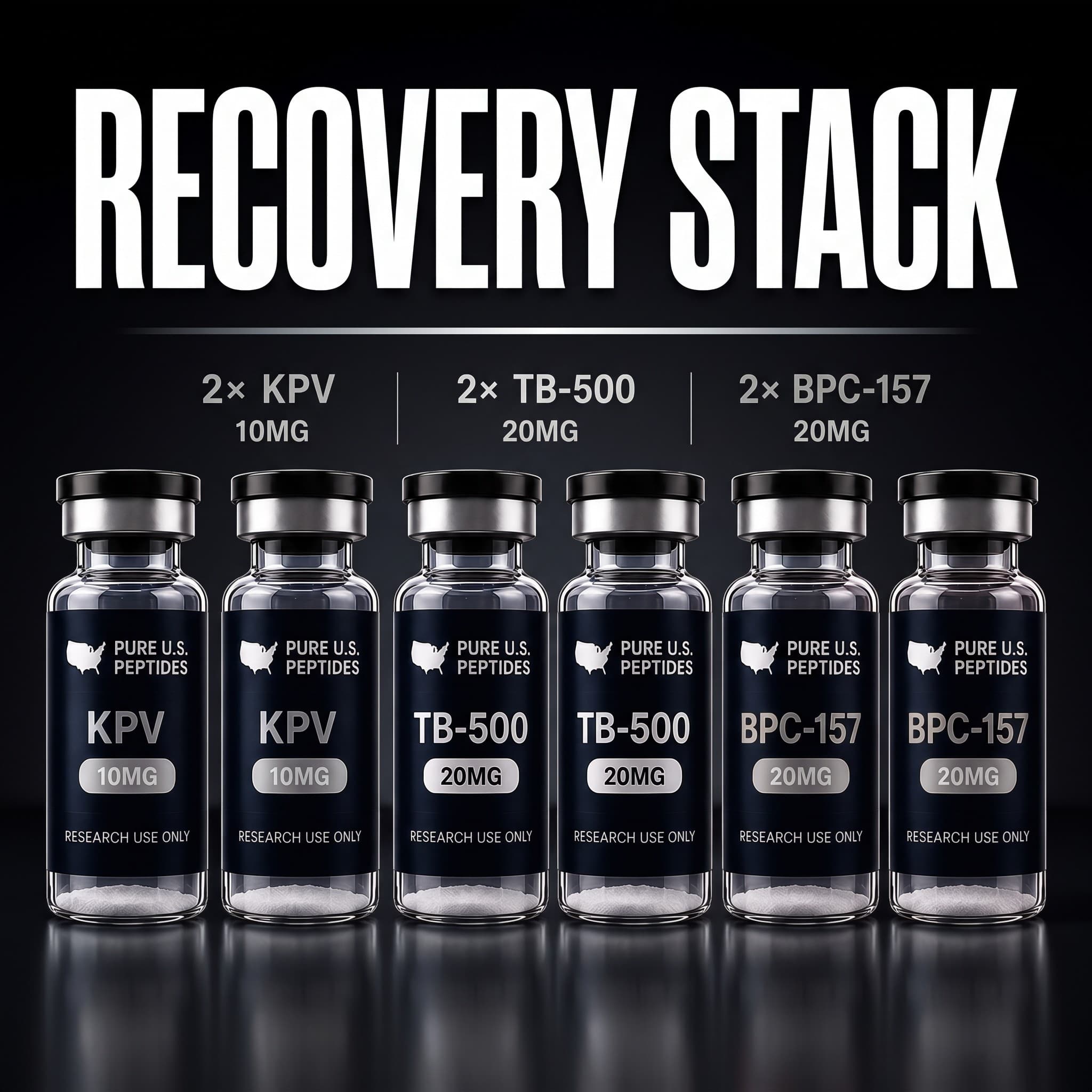
KPV + TB-500 + BPC-157 Research Kit
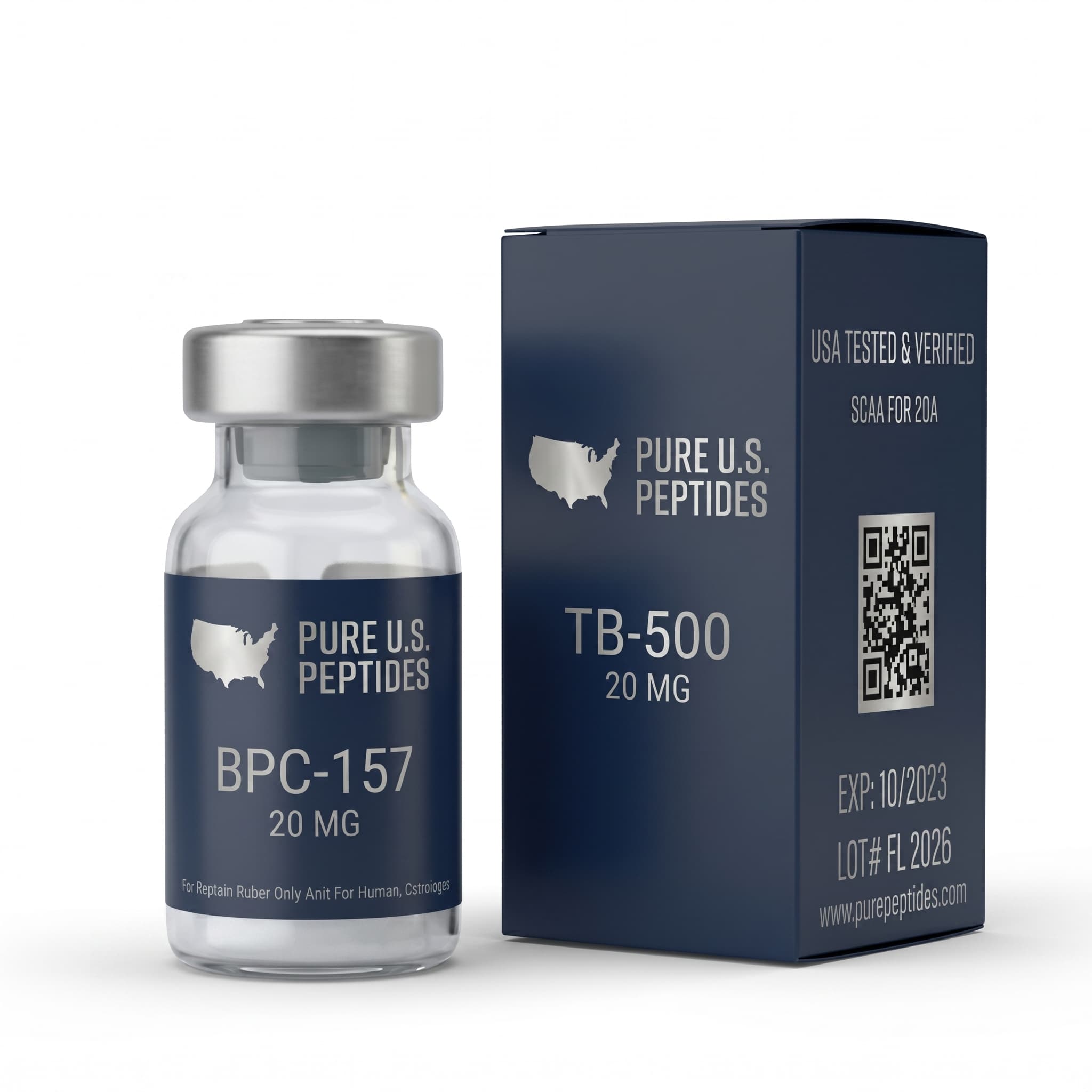
BPC-157 20mg + TB-500 20mg Bundle
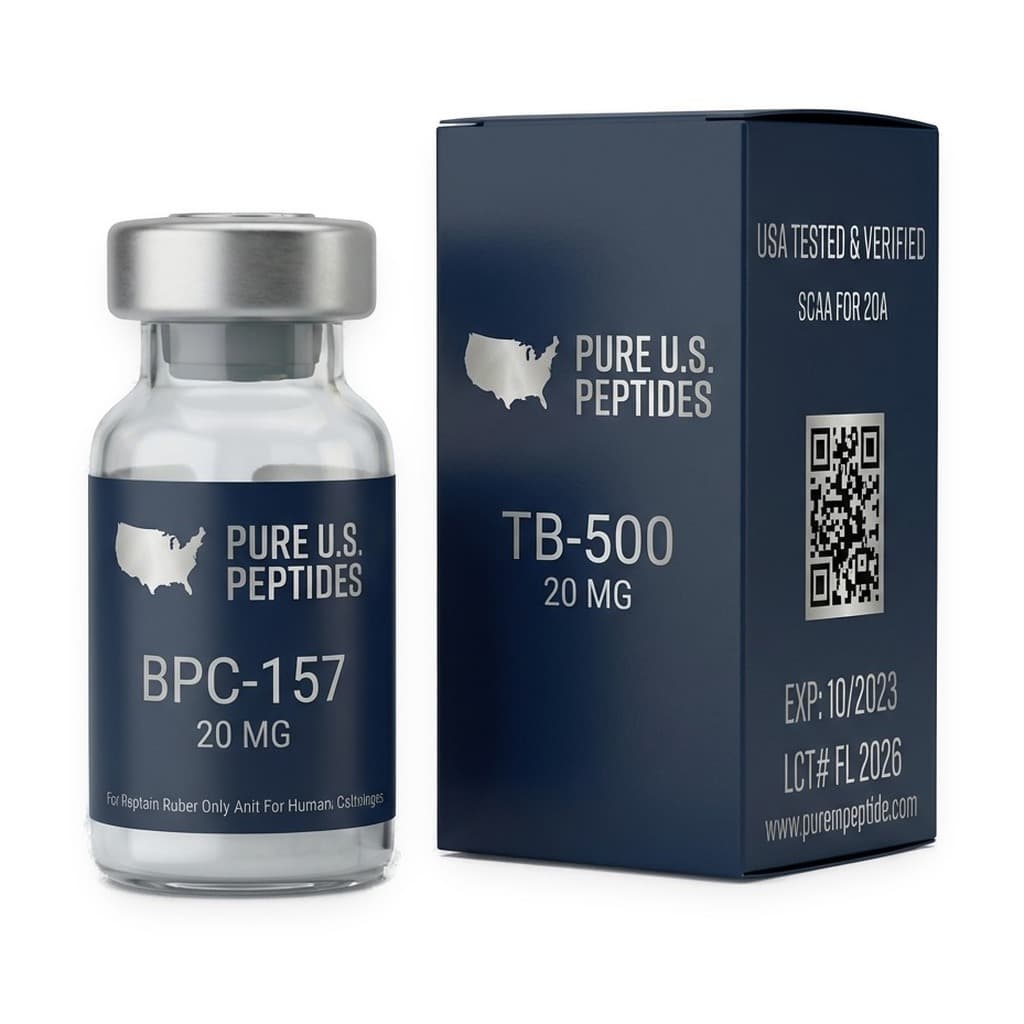
BPC-157 10mg + TB-500 10mg Bundle