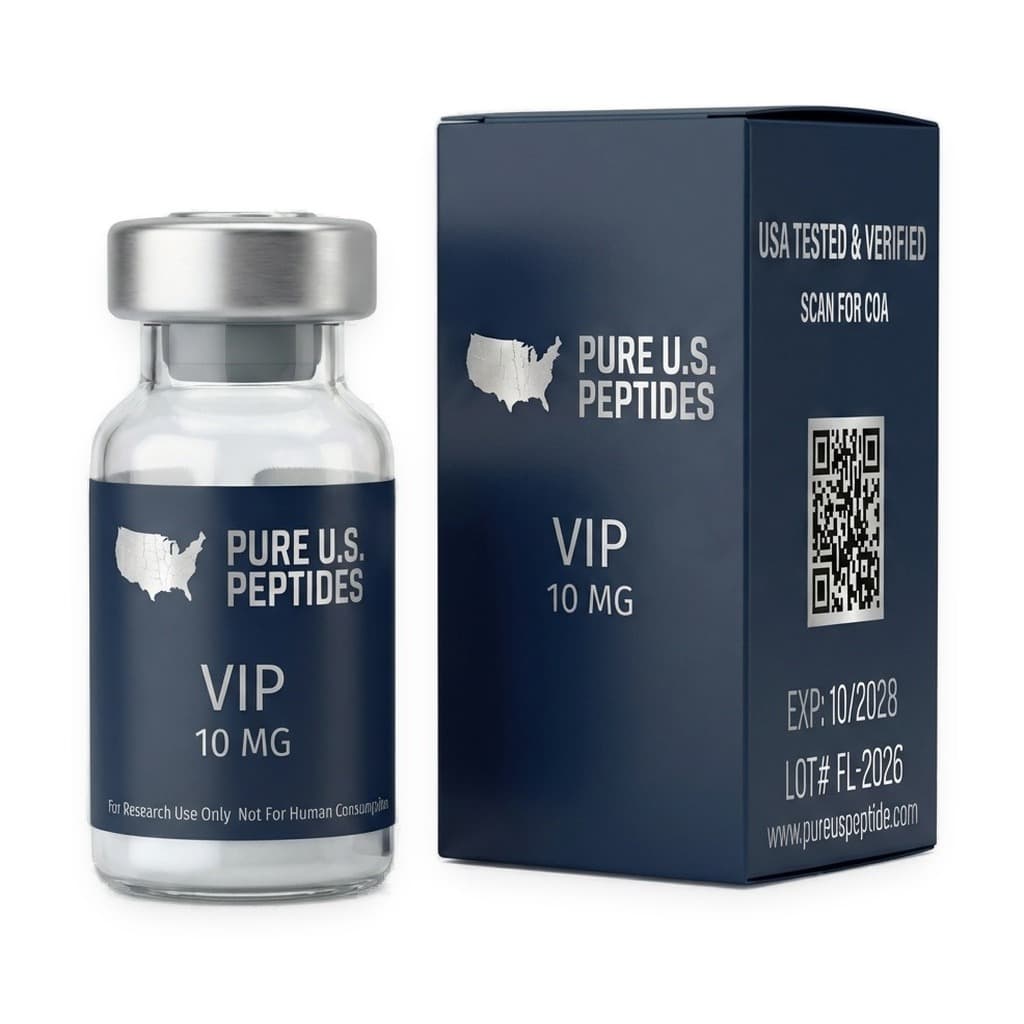
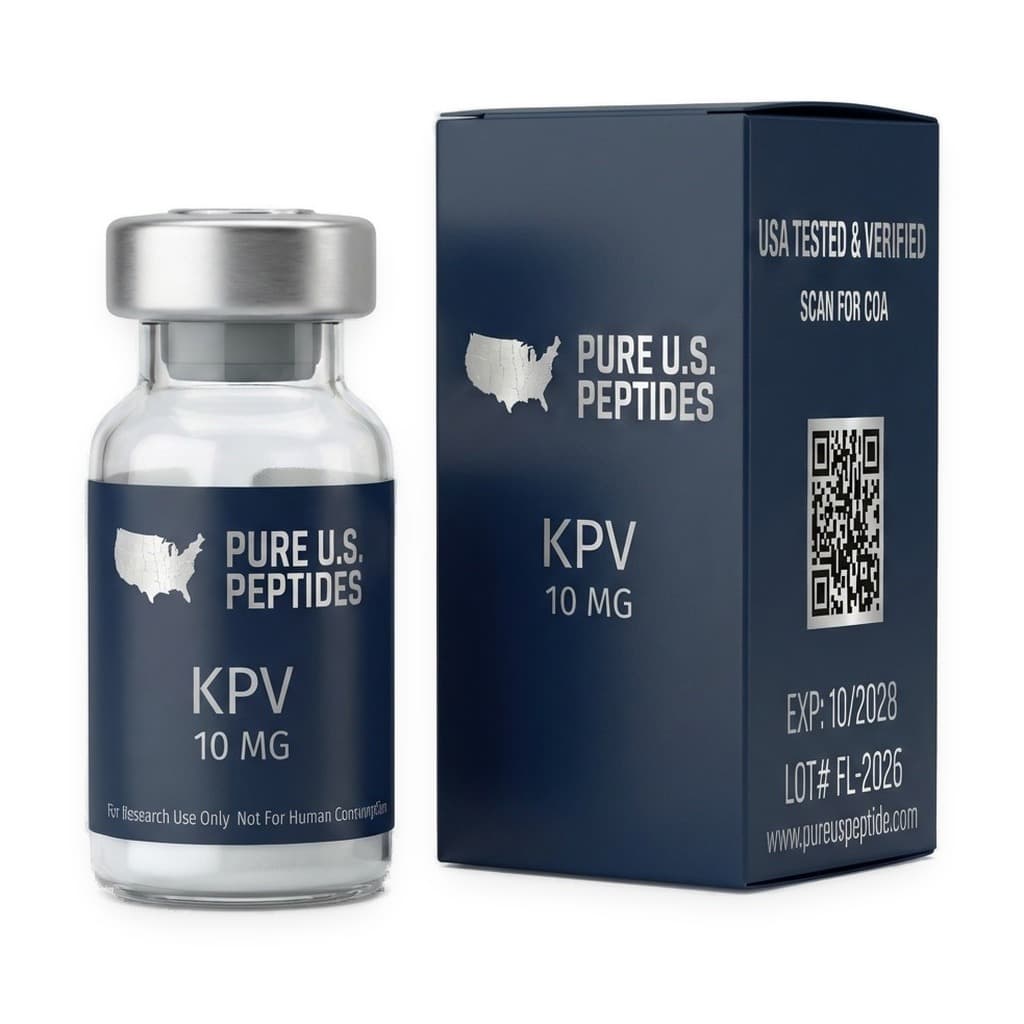
KPV 10mg
In Stock & Ready to Ship from USA
FREE shipping on every U.S. order
Secure checkout via encrypted payment processor


 +2.9k
+2.9kResearch Use Only
These products are for laboratory research only and not intended for medical use. They are not FDA-approved to diagnose, treat, cure, or prevent any disease. By purchasing, you certify they will be used solely for research and not for human or animal consumption.
Research Summary
25 PubMed CitationsOverview KPV (Lys-Pro-Val) is a naturally occurring tripeptide derived from the C-terminal fragment (amino acids 11–13) of alpha-melanocyte-stimulating hormone (α-MSH), a 13-amino acid POMC-derived neuropeptide.[7][2] Originally characterized by James M. Lipton and Melanie E. Hiltz in 1989, KPV was identified as the specific molecular fragment responsible for the parent hormone's anti-inflammatory and antipyretic activities — the "active message sequence" that retains immunomodulatory and antimicrobial properties while lacking pigment-inducing activity.[7][8] A critical mechanistic distinction: KPV does not bind melanocortin receptors (MC1R-MC5R) in mammalian cells, does not increase cAMP, and does not induce melanogenesis. Instead, it enters cells via the PepT1 (SLC15A1) oligopeptide transporter — which is notably upregulated in inflamed colonic tissue — enabling targeted delivery to sites of active inflammation.[3][4] The FDA placed KPV on the Category 2 Bulk Drug Substances list, citing insufficient human exposure data and potential immunogenicity from peptide-related impurities.[5] No large-scale randomized controlled trials have been...
KPV 10mg at a glance
| Specification | Detail |
|---|---|
| Identity | KPV, lysine-proline-valine research tripeptide |
| Listed amount | 10mg |
| Storage | Store lyophilized KPV at -20 degrees C. Avoid freeze-thaw cycles. Protect from light and moisture. |
| Lot certificate | Report pending; no published lot certificate today |
| Price | $47.25 |
| Price per mg | $4.72 per mg |
| Dispatch | Same business day for orders before 2:00 PM EST Monday through Friday |
| U.S. shipping | Free on every order |
| Included with every order | Free BAC water vial |
| Product status | This listing is not an FDA-approved drug. Strictly for laboratory Research Use Only. |
Current price and availability are shown in the purchase panel at the top of this page.
KPV — Research Data at a Glance
| Property | Value |
|---|---|
| PubMed Citations Referenced | 25 |
| Contributing Researchers | 3 |
| Storage Conditions | Store lyophilized KPV at −20°C for 2–3 years. |
| Purity Standard | Certificate pending |
| Research Use Only | Not for human consumption. RUO only. |
Research guide
What is KPV? Read the full research guideOverview
Overview
KPV (Lys-Pro-Val) is a naturally occurring tripeptide derived from the C-terminal fragment (amino acids 11–13) of alpha-melanocyte-stimulating hormone (α-MSH), a 13-amino acid POMC-derived neuropeptide.[7][2]
Originally characterized by James M. Lipton and Melanie E. Hiltz in 1989, KPV was identified as the specific molecular fragment responsible for the parent hormone's anti-inflammatory and antipyretic activities — the "active message sequence" that retains immunomodulatory and antimicrobial properties while lacking pigment-inducing activity.[7][8]
A critical mechanistic distinction: KPV does not bind melanocortin receptors (MC1R-MC5R) in mammalian cells, does not increase cAMP, and does not induce melanogenesis. Instead, it enters cells via the PepT1 (SLC15A1) oligopeptide transporter — which is notably upregulated in inflamed colonic tissue — enabling targeted delivery to sites of active inflammation.[3][4]
The FDA placed KPV on the Category 2 Bulk Drug Substances list, citing insufficient human exposure data and potential immunogenicity from peptide-related impurities.[5] No large-scale randomized controlled trials have been published; human data is limited to patent case studies (psoriasis, contact dermatitis).[9]
Discovery and design rationale
KPV emerged from a structure-activity dissection program of the parent alpha-MSH tridecapeptide, in which sequential C-terminal fragments were assayed for retention of the antipyretic and anti-inflammatory functions of the full hormone. The Lipton/Hiltz 1989 work demonstrated that the terminal Lys-Pro-Val triplet recapitulated the parent's anti-inflammatory activity in fever and edema models without engaging the melanocortin-receptor pigmentation axis — an early example of "active-message" peptide pharmacology.[7][8] Subsequent work clarified that PepT1 oligopeptide-transporter uptake, rather than melanocortin-receptor engagement, mediates the cellular entry that supplies the intracellular Importin-alpha3/NF-kappaB inhibition pathway.[10]
Research framework
Within the alpha-MSH-derived peptide research domain, KPV is most directly compared with Melanotan II (full melanocortin-receptor agonist), BPC-157 (parallel mucosal cytoprotection), and LL-37 (companion antimicrobial peptide). The compound is supplied here strictly as a research reference standard for in vitro and animal-model investigation, and is not intended for human or veterinary use.
Mechanism of Action
Mechanism of Action
PepT1-Mediated Cellular Entry (Primary Mechanism)
Unlike its parent α-MSH — which acts through G-protein coupled melanocortin receptors (MC1R–MC5R) — KPV enters cells via the proton-coupled oligopeptide transporter PepT1 (SLC15A1). In human intestinal epithelial cells (Caco2-BBE), PepT1 transports KPV with a Km of ~160 µM; in Jurkat T-cells, Km ≈ 700 µM.[3][4]
Importin-α3 Binding (Intracellular Target)
Once internalized, KPV binds Importin-α3 (Imp-α3) at armadillo domains 7–8, physically blocking the nuclear import of NF-κB p65RelA — preventing it from entering the nucleus to transcribe pro-inflammatory genes.[10][11]
NF-κB Pathway Inhibition (Dual Mechanism)
KPV inhibits NF-κB through two complementary actions: (1) stabilizing IκBα by preventing its phosphorylation and degradation, and (2) blocking p65RelA nuclear translocation via Importin-α3 binding. This dual mechanism provides robust suppression of inflammatory gene transcription at concentrations as low as 10 nM.[10][12]
MAPK Pathway Inhibition
KPV inhibits phosphorylation and activation of three major MAP kinases: ERK1/2, JNK, and p38 — reducing pro-inflammatory cytokine production induced by TNFα and other stimuli.[13]
mTORC1 Activation
KPV activates mTORC1 (mechanistic target of rapamycin complex 1), evidenced by increased phosphorylation of p70 S6K at T389 — suggesting a role in translational control and cell growth recovery during inflammation.[14]
Calcium Signaling (Keratinocytes)
In human keratinocytes, KPV elevates intracellular Ca²⁺ concentrations via an adenosine agonist-dependent pathway — distinct from the cAMP pathway used by α-MSH in other tissues.[14]
α-MSH vs. KPV: Key Distinctions
| Feature | α-MSH (Parent) | KPV (Fragment) |
|---|---|---|
| Structure | 13 amino acids (tridecapeptide) | 3 amino acids (C-terminal tripeptide) |
| Primary Entry | Binds MC1R–MC5R (cell surface) | Transported by PepT1 (intracellular) |
| Second Messenger | Increases cAMP | Does NOT increase cAMP; ↑ Ca²⁺ in keratinocytes |
| Pigmentation | Induces melanogenesis | No pigmentation effect |
| Inflammation | Inhibits IκBα degradation | Inhibits IκBα + blocks p65 nuclear import via Importin-α3 |
PepT1-Inflammation Crosstalk
An additional research interest is the upregulation of PepT1 expression in inflamed colonic epithelium relative to healthy mucosa, which has been hypothesized to provide an inflammation-targeted enrichment mechanism for KPV uptake. This positions PepT1 not only as a transporter but as a contextual amplifier of the peptide's local concentration at sites of active inflammation.[3][22]
Importin-alpha3 / Nuclear-Import Specificity
The Importin-alpha3 binding site investigated for KPV is distinct from the Importin-alpha1/alpha5 carriers used by other transcription factors, suggesting that the peptide can attenuate p65/RelA nuclear translocation without indiscriminately blocking nuclear import of other regulatory proteins. This selectivity hypothesis underlies its experimentally observed favorable therapeutic-index profile.[10][11]
Research Applications
Research Applications
KPV demonstrates potent anti-inflammatory activity across diverse tissue models, with unusually favorable therapeutic index given its nanomolar potency:
- Inflammatory Bowel Disease / Colitis — Oral KPV in drinking water reduces DSS/TNBS-induced colitis (MPO reduced ~50%, body-weight decline attenuated). HA-nanoparticle delivery achieves 12,000-fold potency increase over free peptide. PepT1-dependent mechanism confirmed in KO mice.[3][6][15]
- Dermatological Inflammation — Human data are limited to single-subject patent case reports (psoriasis, contact dermatitis); no controlled trials have been published.[9][16]
- Corneal and Cutaneous Wound Healing — Accelerated re-epithelialization in rabbit corneal wounds (topical) and oral mucositis (KPV@PPP_E hydrogel) with tissue morphology restoration.[17][18]
- Antimicrobial Activity — Active against S. aureus and C. albicans at picomolar to micromolar range. Dimeric form [CKPV]₂ shows enhanced candidacidal activity.[19][20]
- Arthritis and Joint Inflammation — Reduced joint swelling, cartilage destruction, and PMN leukocyte infiltration in crystal-induced peritonitis models.[10]
- Pulmonary Inflammation — Inhibits MMP-9 activity, reduces eotaxin and IL-8 secretion in bronchial epithelial cells exposed to TNFα or RSV.[12]
- Colitis-Associated Cancer — KPV prevented AOM/DSS-induced carcinogenesis in WT mice but not PepT1-KO mice, confirming PepT1-dependent anti-tumorigenic mechanism.[22]
- Vascular Calcification — Self-assembled KPV/rapamycin nanodrugs inhibit vascular calcification via anti-inflammatory + autophagy pathways.[23]
- Transdermal Delivery Methodology — Investigated via iontophoretic delivery across microporated human skin to quantify percutaneous flux parameters relevant to topical anti-inflammatory peptide formulation research.[25]
- PepT1-Mediated Inflammation Profiling — Examined for the inverse relationship between mucosal PepT1 expression and inflammatory state, supporting a research model in which KPV uptake is enriched at sites of active disease activity.[22]
Comparative Research Context
Within the alpha-MSH-derived peptide research literature, KPV is most directly compared with Melanotan II for the receptor versus PepT1 entry distinction, with BPC-157 for parallel mucosal cytoprotection in colitis models, and with LL-37 for companion antimicrobial-and-anti-inflammatory profiles.[2]
Biochemical Characteristics
| Property | Value |
|---|---|
| Molecular Formula | C₁₆H₃₀N₄O₄ |
| Molecular Weight | 342.44 g/mol (378.47 for Ac-KPV-NH₂) |
| CAS Number | 107715-88-8 |
| Sequence (3-Letter) | Lys-Pro-Val |
| Sequence (1-Letter) | KPV |
| Amino Acids | 3 (linear tripeptide) |
| Structural Type | Linear tripeptide; often synthesized with N-acetylation and C-terminal amidation (Ac-KPV-NH₂) |
| Parent Molecule | α-MSH (alpha-melanocyte-stimulating hormone), amino acids 11–13 |
| Synonyms | α-MSH(11-13), alpha-melanocyte-stimulating hormone (11-13), KPV peptide |
| Plasma Half-Life | <30 minutes |
Identifiers
| InChI Key | |
|---|---|
| Isomeric SMILES | |
| Endotoxin | |
| Water Content |
Preclinical Research Summary
Preclinical Research Summary
Key Preclinical Studies
| Study | Model | Key Findings | Ref |
|---|---|---|---|
| Dalmasso et al. (2008) | C57BL/6 mice — DSS + TNBS colitis | 100 µM KPV oral: MPO reduced ~50% (DSS); body-weight decline 5–10% vs 15–20% control (p < 0.05); PepT1-mediated uptake confirmed | [3] |
| Kannengiesser et al. (2008) | Mice — DSS + MC1R-KO | KPV rescued MC1Re/e mice from death in DSS colitis → mechanism is MC1R-independent | [15] |
| Xiao et al. (2017) | FVB mice — HA-KPV-NPs oral | 16 µg/kg/day × 6 days: 12,000-fold potency increase vs free KPV with equivalent efficacy; MPO to healthy-control levels (p < 0.01) | [6] |
| Viennois et al. (2016) | WT/PepT1-KO mice — AOM/DSS | KPV prevented colitis-associated cancer in WT but NOT PepT1-KO → PepT1 dependence confirmed for anti-tumorigenic effects | [22] |
| Bonfiglio et al. (2006) | Rabbits — corneal wounds | KPV × 4 days: significantly smaller corneal wounds vs control | [17] |
| Shao et al. (2022) | Rats — oral mucositis + MRSA | KPV@PPP_E hydrogel: ↓ IL-1β, TNF-α; ↑ IL-10; restored gingival tissue morphology; dual anti-inflammatory + antibacterial | [18] |
Human Data (Patent Case Studies)
Human data are limited to two single-subject patent case reports (psoriasis, contact dermatitis; US 6,894,028); no controlled trials have been published.[9]
Dose-Response Parameters
| Parameter | Value | Ref |
|---|---|---|
| Anti-inflammatory IC (NF-κB/MAPK) | 10 nM | [3] |
| Antimicrobial range | Picomolar to micromolar | [19] |
| PepT1 Km (intestinal cells) | ~160 µM | [3] |
| PepT1 Km (T-cells) | ~700 µM | [3] |
| Oral dose (murine colitis) | 100 µM in drinking water | [3] |
| HA-NP dose (12,000x potency) | 16 µg/kg/day oral | [6] |
| Plasma half-life | <30 minutes | [24] |
| Acute toxicity (LD50) | Not identified (>100 mg/kg) | [24] |
The products offered on this website are furnished for in-vitro studies only. In-vitro studies (Latin: in glass) are performed outside of the body. These products are not medicines or drugs and have not been approved by the FDA to prevent, treat or cure any medical condition, ailment or disease. Bodily introduction of any kind into humans or animals is strictly forbidden by law.
For Laboratory Research Only. Not for human use, medical use, diagnostic use, or veterinary use.
ALL ARTICLES AND PRODUCT INFORMATION PROVIDED ON THIS WEBSITE ARE FOR INFORMATIONAL AND EDUCATIONAL PURPOSES ONLY.
Authors & Attribution
✍️ Article Author
Dr. James M. Lipton
James M. Lipton, PhD, is a pioneering researcher affiliated with Zengen Inc. and the University of Texas. Lipton is the lead inventor who established that the anti-inflammatory and antipyretic activities of the larger α-MSH hormone reside specifically in its C-terminal tripeptide sequence, KPV. He demonstrated that KPV exerts efficacy across a broad range of concentrations, including physiological picomolar ranges, and holds multiple patents for its use in treating dermatological disorders, uro-genital conditions, and systemic inflammation. James M. Lipton is being referenced as one of the leading scientists involved in the research and development of KPV. In no way is this doctor/scientist endorsing or advocating the purchase, sale, or use of this product for any reason. There is no affiliation or relationship, implied or otherwise, between Pure US Peptide and this doctor.
View Full Researcher Profile →🎓 Scientific Journal Author
Dr. Didier Merlin
Didier Merlin, PhD, is affiliated with the Department of Medicine, Division of Digestive Diseases at Emory University School of Medicine, and the Institute for Biomedical Sciences at Georgia State University. Dr. Merlin's research established PepT1-mediated uptake as the primary mechanism of KPV action in intestinal inflammation. His group developed hyaluronic acid-functionalized nanoparticles (HA-KPV-NPs) that achieved a 12,000-fold potency increase in targeted colonic delivery for ulcerative colitis treatment. Didier Merlin is being referenced as one of the leading scientists involved in the research and development of KPV. In no way is this doctor/scientist endorsing or advocating the purchase, sale, or use of this product for any reason. There is no affiliation or relationship, implied or otherwise, between Pure US Peptide and this doctor.
View Full Researcher Profile →Dr. Didier Merlin is being referenced as one of the leading scientists involved in the research and development of KPV. In no way is this doctor/scientist endorsing or advocating the purchase, sale, or use of this product for any reason. There is no affiliation or relationship, implied or otherwise, between Pure US Peptide and this doctor. The purpose of citing the doctor is to acknowledge, recognize, and credit the exhaustive research and development efforts conducted by the scientists studying this peptide.
🔬 Contributing Researcher
Dr. Anna Catania
Anna Catania, MD, is affiliated with the Division of Internal Medicine at IRCCS Ospedale Maggiore, Milano, Italy, and is also associated with Zengen Inc. as a patent co-inventor. Dr. Catania has been instrumental in characterizing the antimicrobial and immunomodulatory properties of KPV, demonstrating that KPV and its dimeric forms possess candidacidal and antibacterial properties against Staphylococcus aureus and Candida albicans without the immunosuppressive effects typical of other anti-inflammatory drugs. Anna Catania is being referenced as one of the leading scientists involved in the research and development of KPV. In no way is this doctor/scientist endorsing or advocating the purchase, sale, or use of this product for any reason. There is no affiliation or relationship, implied or otherwise, between Pure US Peptide and this doctor.
View Full Researcher Profile →Dr. Anna Catania is being referenced as one of the leading scientists involved in the research and development of KPV. In no way is this doctor/scientist endorsing or advocating the purchase, sale, or use of this product for any reason. There is no affiliation or relationship, implied or otherwise, between Pure US Peptide and this doctor. The purpose of citing the doctor is to acknowledge, recognize, and credit the exhaustive research and development efforts conducted by the scientists studying this peptide.
Referenced Citations
Sikiric P, et al. A new gastric juice peptide, BPC. An overview of the stomach-stress-organoprotection hypothesis. Journal of Physiology-Paris. 1993;87(5):313-327.
DOIBrzoska T, Luger TA, Maaser C, Abels C, Böhm M. Alpha-melanocyte-stimulating hormone and related tripeptides: biochemistry, antiinflammatory and protective effects in vitro and in vivo, and future perspectives. Endocrine Reviews. 2008;29(5):581-602.
DOIDalmasso G, Charrier-Hisamuddin L, Nguyen HTT, Yan Y, Sitaraman S, Merlin D. PepT1-Mediated Tripeptide KPV Uptake Reduces Intestinal Inflammation. Gastroenterology. 2008;134(1):166-178.
DOILaroui H, Dalmasso G, Nguyen HT, Yan Y, Sitaraman SV, Merlin D. Drug-loaded nanoparticles targeted to the colon with polysaccharide hydrogel reduce colitis in a mouse model. Gastroenterology. 2010;138:843-853.
DOIU.S. Food and Drug Administration. Certain Bulk Drug Substances for Use in Compounding that May Present Significant Safety Risks. FDA.gov. Updated 2023.
FDA.govXiao B, Xu Z, Viennois E, Zhang Y, Zhang Z, Zhang M, Han MK, Kang Y, Merlin D. Molecular Therapy. 2017;25(7):1628-1640.
DOIHiltz ME, Lipton JM. Antiinflammatory activity of a COOH-terminal fragment of the neuropeptide alpha-MSH. FASEB Journal. 1989;3:2282-2284.
DOILuger TA, Brzoska T. α-MSH related peptides: a new class of anti-inflammatory and immunomodulating drugs. Annals of the Rheumatic Diseases. 2007;66(Suppl 3):iii52-iii55.
DOILipton JM, Catania AP. Use of KPV tripeptide for dermatological disorders. U.S. Patent No. 6,894,028 B2. 2005.
SourceGetting SJ, Schiöth HB, Perretti M. Dissection of the anti-inflammatory effect of the core and C-terminal (KPV) alpha-melanocyte-stimulating hormone peptides. Journal of Pharmacology and Experimental Therapeutics. 2003;306(2):631-637.
DOIKelly JM, Moir AJG, Carlson K, Yang Y, Haycock JW. Immobilized alpha-melanocyte stimulating hormone 10-13 (GKPV) inhibits tumor necrosis factor-alpha stimulated NF-kappaB activity. Peptides. 2006;27(2):431-437.
DOILand SC. International Journal of Physiology, Pathophysiology and Pharmacology. 2012;4(2):59-73.
PubMedElliott RJ, Szabo M, Wagner MJ, Kemp EH, MacNeil S, Haycock JW. Journal of Investigative Dermatology. 2004;122(4):1010-1019.
DOISongok AC, Panta P, Doerrler WT, Macnaughtan MA, Taylor CM. Structural modification of the tripeptide KPV by reductive glycoalkylation of the lysine residue. PLOS One. 2018;13(6):e0199686.
DOIKannengiesser K, Maaser C, Heidemann J, et al. Melanocortin-derived tripeptide KPV has anti-inflammatory potential in murine models of inflammatory bowel disease. Inflammatory Bowel Diseases. 2008;14(3):324-331.
DOIBöhm M, Luger T. Experimental Dermatology. 2019;28:219-224.
DOIBonfiglio V, et al. Effects of the COOH-terminal tripeptide alpha-MSH(11-13) on corneal epithelial wound healing: role of nitric oxide. Experimental Eye Research. 2006;83(6):1366-1372.
DOIShao W, Chen R, Lin G, Ran K, Zhang Y, Yang J, Xu H. Biomaterials Science. 2022;10:227-242.
DOICutuli M, Cristiani S, Lipton JM, Catania A. Antimicrobial effects of alpha-MSH peptides. Journal of Leukocyte Biology. 2000;67(2):233-239.
DOICatania A, et al. Three-dimensional structure of the α-MSH-derived candidacidal peptide [Ac-CKPV]2. The Journal of Peptide Research. 2005;66(1):19-26.
DOICharnley M, Moir AJG, Douglas CWI, Haycock JW. Anti-microbial action of melanocortin peptides and identification of a novel X-Pro-d/l-Val sequence in Gram-positive and Gram-negative bacteria. Peptides. 2008;29(6):1004-1009.
DOIViennois E, et al. Cellular and Molecular Gastroenterology and Hepatology. 2016;2(3):340-357.
DOIZhang L, Li D, Aierken Y, et al. Advanced Healthcare Materials. 2024;13(32):e2402320.
PubMedGatti S, Carlin A, Sordi A, et al. Inhibitory effects of the peptide (CKPV)2 on endotoxin-induced host reactions. The Journal of Surgical Research. 2006;131(2):209-214.
PubMedPawar K, Kolli CS, Rangari VK, Babu RJ. Journal of Pharmaceutical Sciences. 2017;106(7):1814-1820.
DOIRUO Disclaimer
For Research Use Only (RUO). Not intended for human consumption, clinical use, or as a drug, food, cosmetic, or medical device. This product has not been evaluated by the FDA and is supplied solely for in-vitro laboratory research by qualified professionals.
Certificate of Analysis
Published certificates come from third-party laboratories. If this listing's certificate is still pending, the card below says so.
Latest Lab Report
Storage & Handling
Summary
Store lyophilized KPV at −20°C for 2–3 years. Avoid freeze-thaw cycles. Protect from light/moisture.
Recommended Laboratory Storage Conditions
Lyophilized Powder: Store at −20°C (−4°F) for long-term stability (2–3 years). Protect from light and moisture; use desiccants to prevent moisture absorption. Supplied as acetate or trifluoroacetate salt.
Solubility: Water-soluble; forms a clear, colorless solution.
Handling: Standard aseptic technique with personal protective equipment (gloves, lab coat). Avoid repeated freeze-thaw cycles to maintain biological activity.
“Preclinical Research Summary Key Preclinical Studies Study Model Key Findings Ref Dalmasso et al.”
Frequently Asked Questions
Common research questions about KPV — purity, handling, COA documentation, and published-research context.
Related Research Compounds
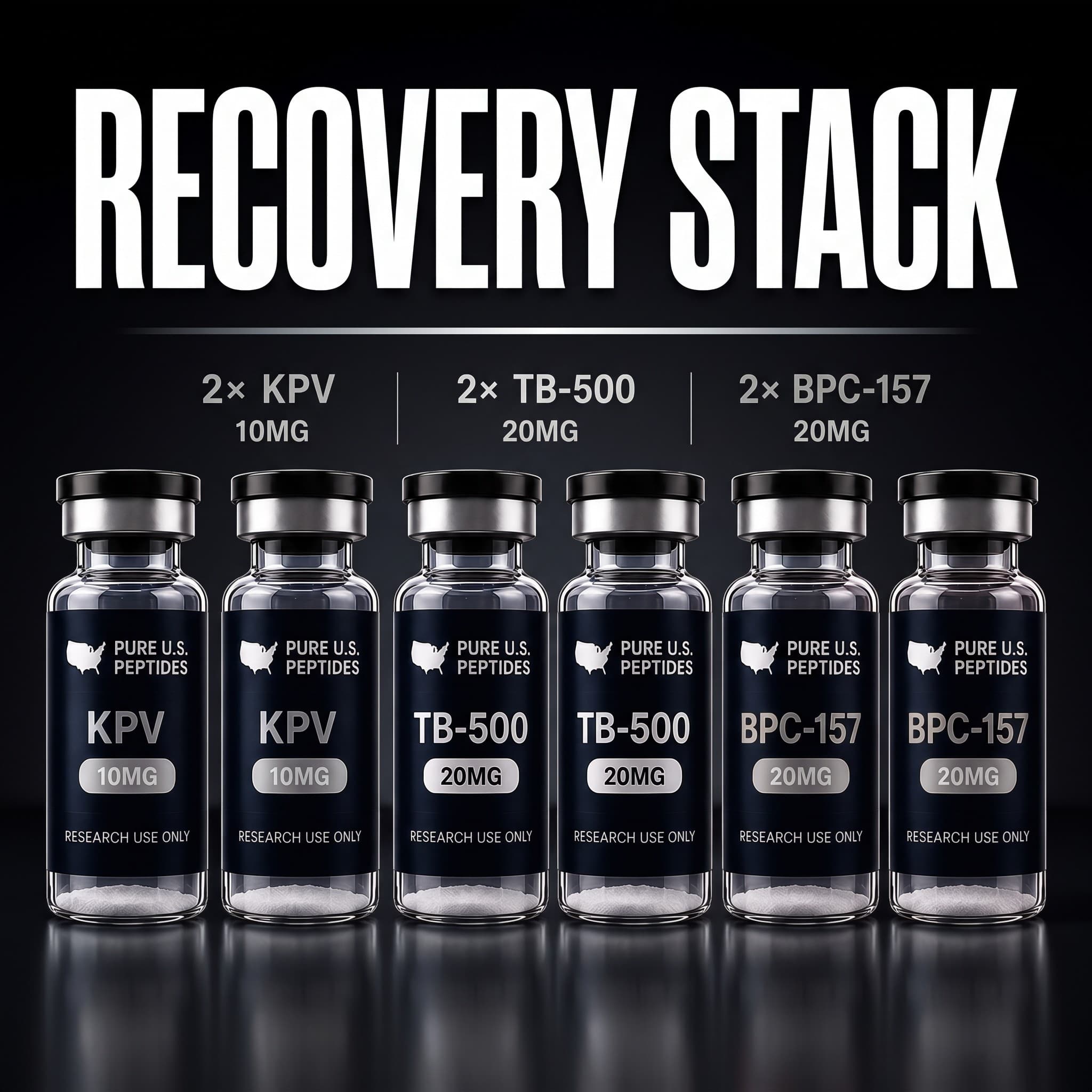
KPV + TB-500 + BPC-157 Research Kit
BPC-157 20mg + TB-500 20mg Bundle
BPC-157 10mg + TB-500 10mg Bundle