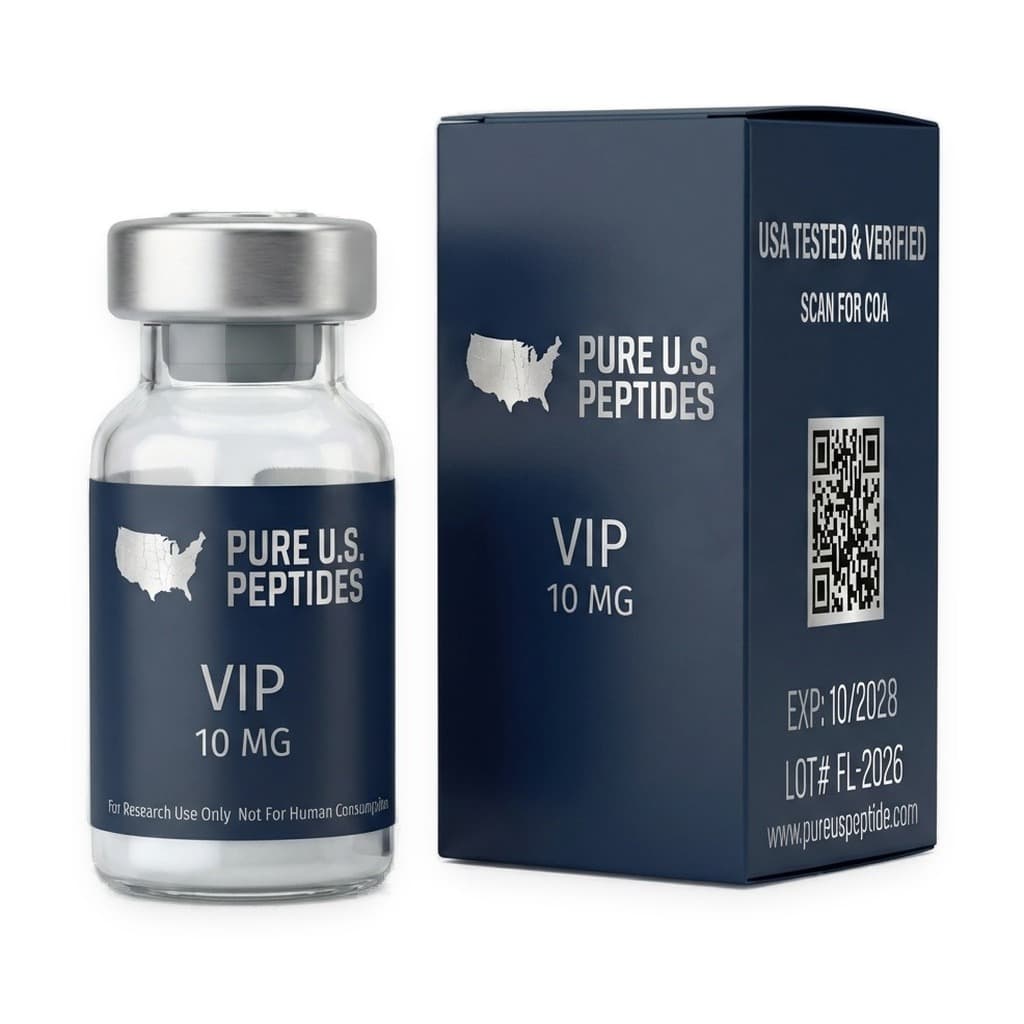
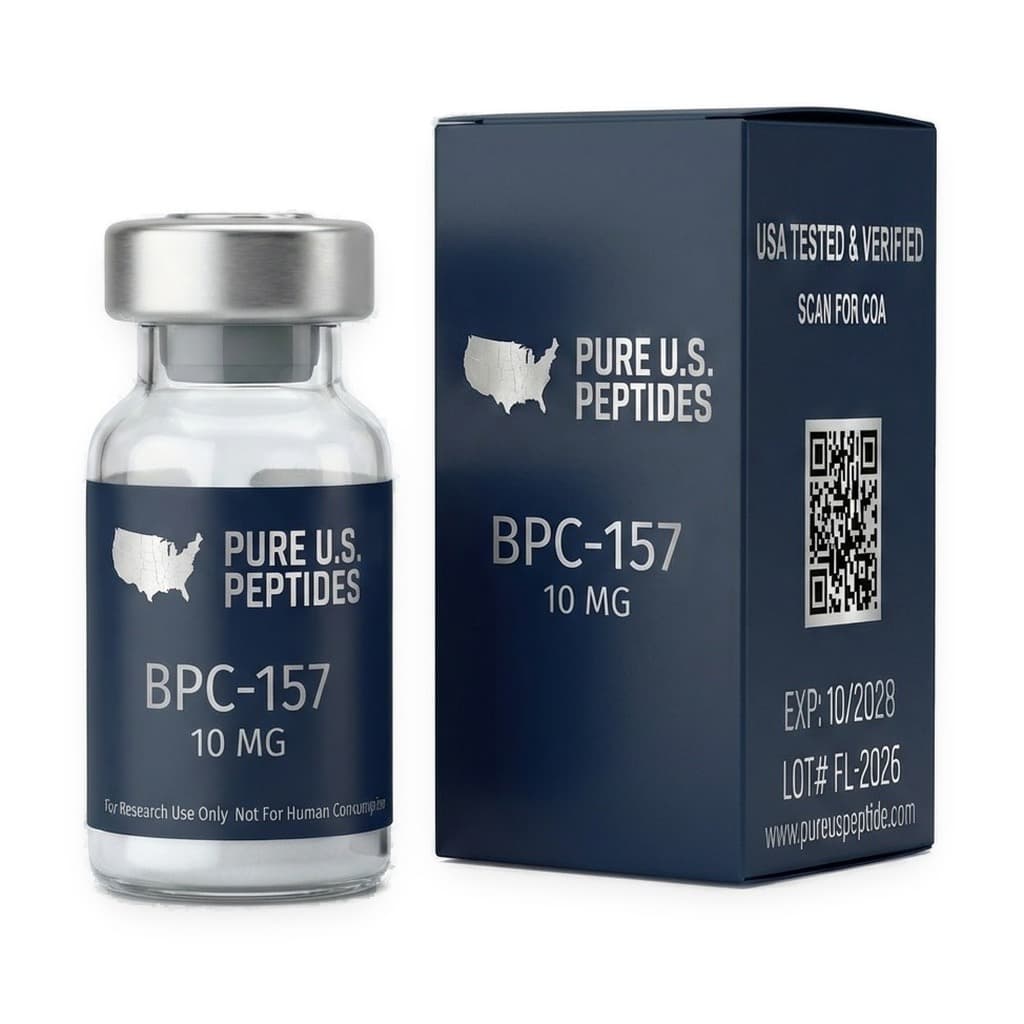
BPC-157 10mg
Em Estoque e Pronto para Envio dos EUA
Frete GRÁTIS em todos os pedidos nos EUA
Checkout seguro via processador de pagamento criptografado


 +2.9k
+2.9kApenas para Uso em Pesquisa
Estes produtos sao destinados exclusivamente a pesquisa laboratorial e nao se destinam ao uso medico. Nao sao aprovados pela FDA para diagnosticar, tratar, curar ou prevenir qualquer doenca. Ao adquirir, voce certifica que os produtos serao utilizados exclusivamente para pesquisa e nao para consumo humano ou animal.
Resumo da Pesquisa
29 Citacoes PubMedVisao Geral BPC-157 (Body Protection Compound-157, Bepecin, PL 14736) e um(a) sintetico(a) pentadecapeptide composto(a) por 15 aminoacidos (GEPPPGKPADDAGLV), derivado(a) de a partial sequence of a larger Body Protection Compound protein naturally encontrado(a) em human gastric juice.[1][2] Originally isolado(a) by Dr. Predrag Sikiric's grupo de pesquisa no(a) University of Zagreb in 1993, BPC-157 is one do(a) a maioria extensively studied cytoprotective peptides in preclinical literature. It has been studied across gastrointestinal, musculoskeletal, neurological, and vascular models.[8] A key distinguishing feature is its exceptional stability — BPC-157 resists enzymatic degradacao in human gastric juice for over 24 hours.[3][9] The U.S. FDA placed BPC-157 no(a) Categoria 2 Substancia Farmaceutica a Granels list in September 2023, citing potential immunogenicity risks and insufficient safety data for human manipulacao.[4] WADA explicitly banned BPC-157 under S0 (Non-approved Substances) eficaz January 1, 2022.[5]
BPC-157 10mg at a glance
| Specification | Detail |
|---|---|
| Format | Lyophilized powder, 10mg per vial |
| HPLC purity | Report pending; no published lot certificate today |
| Third-party testing | Report pending; no published lot certificate today |
| Price | $40.95 per 10mg vial |
| Price per mg | $4.10 per mg |
| Dispatch | Same business day on orders placed before 2:00 PM EST, Monday-Friday |
| U.S. delivery time | USPS Priority Mail 2-3 business days; UPS Ground 3-5 business days |
| Shipping cost | Free on every U.S. order |
| Ships to | All 50 U.S. states (free); Canada via card checkout at US$15 flat. No other international destinations. |
| Packaging | Secure, tamper-evident packaging; tracking number emailed at dispatch |
| Storage | Lyophilized: -20°C, protected from light. |
| Regulatory status | Not an FDA-approved drug. Listed by the FDA as a Category 2 bulk drug substance (September 2023) and prohibited by WADA under category S0 (effective January 1, 2022). |
| Intended use | Research use only — not for human, veterinary, diagnostic, or therapeutic use. |
Price and availability reflect the live product record; the purchase panel at the top of this page is the source of truth.
How to evaluate a BPC-157 vendor
Worth checking before buying BPC-157 from any supplier, and how this listing answers each point. Reference facts — we make no claims about other sellers.
| What to check | How this listing answers it |
|---|---|
| Is a purity report actually published, or only described? | Report pending; no published lot certificate today |
| Does the report name the analytical method? | Report pending; no published lot certificate today |
| Can documentation be tied to the batch received? | Report pending; no published lot certificate today |
| Where does it ship from, and where can it go? | Dispatched from a U.S. facility to all 50 U.S. states, and to Canada via card checkout at a flat US$15 rate. No other international destinations. |
| How quickly does an order actually leave? | Same-business-day dispatch before 2:00 PM EST Monday-Friday, then 2-3 business days by USPS Priority Mail or 3-5 by UPS Ground, with tracking emailed at dispatch. |
| What is the real cost per milligram? | $4.10 per mg, at the current listed price of $40.95 per 10mg vial. Comparing vial prices across different vial sizes is misleading — compare price per mg. |
| Is regulatory status disclosed or buried? | Stated plainly on this page: FDA Category 2 bulk drug substances list (September 2023) and WADA S0 prohibition (January 1, 2022). Supplied for laboratory research use only. |
| Is the compound backed by literature you can check? | 29 references with DOI or PubMed links are listed in the Referenced Citations section of this page. |
BPC-157 — Dados de Pesquisa em Resumo
| Propriedade | Valor |
|---|---|
| Citacoes PubMed Referenciadas | 29 |
| Pesquisadores Colaboradores | 3 |
| Condicoes de Armazenamento | BPC-157 é excepcionalmente estável à temperatura ambiente. |
| Padrao de Pureza | Certificado pendente |
| Apenas para Uso em Pesquisa | Nao destinado ao consumo humano. Apenas para uso em pesquisa. |
Compare BPC-157 com Outros Peptideos
Research guide
What is BPC-157? Read the full research guideVisao Geral
Visao Geral
BPC-157 (Body Protection Compound-157, Bepecin, PL 14736) e um(a) sintetico(a) pentadecapeptide composto(a) por 15 aminoacidos (GEPPPGKPADDAGLV), derivado(a) de a partial sequence of a larger Body Protection Compound protein naturally encontrado(a) em human gastric juice.[1][2]
Originally isolado(a) by Dr. Predrag Sikiric's grupo de pesquisa no(a) University of Zagreb in 1993, BPC-157 is one do(a) a maioria extensively studied cytoprotective peptides in preclinical literature. It has been studied across gastrointestinal, musculoskeletal, neurological, and vascular models.[8]
A key distinguishing feature is its exceptional stability — BPC-157 resists enzymatic degradacao in human gastric juice for over 24 hours.[3][9]
The U.S. FDA placed BPC-157 no(a) Categoria 2 Substancia Farmaceutica a Granels list in September 2023, citing potential immunogenicity risks and insufficient safety data for human manipulacao.[4] WADA explicitly banned BPC-157 under S0 (Non-approved Substances) eficaz January 1, 2022.[5]
Mecanismo de Acao
Mecanismo de Acao
VEGFR2 Activation (Primary Target)
BPC-157 liga-se a and ativa vascular endothelial fator de crescimento receptor 2 (VEGFR2) on celulas endoteliais. Diferentemente de standard ligands, BPC-157 promove VEGFR2 internalizacao — um(a) critico(a) step in activating downstream repair pathways.[7][10]
VEGFR2-Akt-eNOS Cascade
Upon VEGFR2 binding, BPC-157 desencadeia fosforilacao of Akt (Protein Kinase B), que ativa endothelial nitric oxide synthase (eNOS), producing nitric oxide (NO) — essencial para angiogenese and vascular repair.[7]
Src-Caveolin-1-eNOS Pathway
BPC-157 promove fosforilacao of Src and Caveolin-1 (Cav-1). Under normal conditions, Cav-1 inibe eNOS — BPC-157 disrupts this inhibitory complex, enhancing NO production.[10]
FAK-Paxillin Pathway
In tendon fibroblastos, BPC-157 ativa focal adhesion kinase (FAK) and paxillin, essencial para migracao celular, adhesion, and cytoskeletal organization during reparo tecidual.[11]
JAK-2 / Growth Hormone Receptor Upregulacao
BPC-157 ativa JAK-2, linked to upregulacao of hormonio do crescimento receptors (GHR) on tendon fibroblastos, enhancing tissue sensitivity to hormonio do crescimento.[11][12]
Egr-1/NAB2 Feedback Loop
ERK1/2 ativacao upregula Egr-1 and simultaneamente its corepressor NAB2, establishing a feedback loop que previne uncontrolled angiogenic signaling.[13]
Nitric Oxide System Modulation (Bidirectional)
BPC-157 exibe um(a) unico(a) modulatory interaction com o(a) NO system — it counteracts ambos(as) L-NAME (NOS inhibitor → hipertensao) and L-arginine (NOS substrate → hipotensao), acting como um(a) homeostatic buffer rather do que a strict agonist or antagonist.[14]
Dopamine/Serotonin System Regulation
BPC-157 antagonizes o efeitos of dopamine receptor blockers (haloperidol) and agonists (amphetamine), assim como serotonin syndrome precursors — suggesting a regulatory influence on these neurotransmitter systems rather do que direto(a) ligacao ao receptor.[15]
Aplicacoes de Pesquisa
Aplicacoes de Pesquisa
BPC-157 has been studied in rodent gastric-lesion, tendon-transection and ischemia models, among others:
- Gastrointestinal Models — Rodent gastric-lesion and fistula models.[8]
- Musculoskeletal Models — Rodent tendon-transection, ligament and muscle-injury models; biomechanical endpoints reported.[16][17]
- CNS Models — Rodent TBI, spinal-cord compression and carotid-occlusion models; edema and histology endpoints reported.[18][19]
- Vascular Occlusion Models — Collateral-vessel endpoints in rodent occlusion models (Budd-Chiari, Pringle maneuver).[20]
- Corneal Models — Corneal-transparency and neovascularizacao endpoints.[21]
- Liver Models — Rodent bile-duct-ligation and toxin-induced liver-injury models; enzyme and bilirubin endpoints.[22]
- Dopaminergic/Serotonergic Models — Rodent catalepsy, amphetamine and ketamine behavioral models.[15]
Caracteristicas Bioquimicas
| Propriedade | Valor |
|---|---|
| Molecular Formula | C₆₂H₉₈N₁₆O₂₂ |
| Molecular Weight | 1419.556 g/mol |
| CAS Number | 137525-51-0 |
| Sequence (3-Letter) | Gly-Glu-Pro-Pro-Pro-Gly-Lys-Pro-Ala-Asp-Asp-Ala-Gly-Leu-Val |
| Sequence (1-Letter) | GEPPPGKPADDAGLV |
| Amino Acids | 15 (linear pentadecapeptide) |
| Structural Type | Linear pentadecapeptide, no ponte dissulfetos |
| Parent Molecule | Body Protection Compound (BPC) from human gastric juice |
| Synonyms | Bepecin, PL 14736, PL-10, PLD-116, PCO-02 |
| Plasma Half-Life | <30 minutes |
Identificadores
| PubChem CID | |
|---|---|
| InChI Key | |
| Isomeric SMILES | |
| Drug Codes |
Resumo da Pesquisa Pre-clinica
Resumo da Pesquisa Pre-clinica
Key Preclinical Studies
| Estudo | Modelo | Principais Achados | Ref |
|---|---|---|---|
| He et al. (2022) | SD rats / Beagle dogs | PK study: t½ = 15.2 min (rats), 5.27 min (dogs); biodisponibilidade 14-19% (rats), 45-51% (dogs); distributed to kidney, liver, stomach | [25] |
| Xu et al. (2020) | Mice, rats, rabbits, dogs | Multi-species toxicity: no adverse signs at 20 mg/kg (rats) or 10 mg/kg (dogs) | [9] |
| Staresinic et al. (2003) | Rats — Achilles transection | 10 µg/kg: melhorou AFI scores, aumentou load-to-failure at 14-72 days; reversed corticosteroid impairment | [16] |
| Tudor et al. (2010) | Mice — TBI | 10 µg/kg: reduziu brain edema, hemorrhage, and mortality; melhorou conscious/unconscious/death ratio | [18] |
| Perovic et al. (2019) | Rats — spinal cord | 200 µg/kg: axonal recovery manteve to 1 year; counteracted necrose, desmielinizacao, cyst formation | [19] |
| Vukojevic et al. (2020) | Rats — bilateral carotid occlusion | Upregulou Egr1/Akt1/Src/Vegfr2/Nos3; downregulou Nos2/Nfkb in hippocampus | [13] |
| Hsieh et al. (2017/2020) | Rat hind limb isquemia + CAM | 129–152% aumentou angiogenese; VEGFR2-Akt-eNOS pathway confirmou | [7] |
| Sever et al. (2019) | Rats — bile duct ligation | Fibrosis, portal-hypertension, liver-enzyme and bilirubin endpoints reported | [22] |
| Matek et al. (2025) | Rats — quadriceps detachment | Muscle-to-bone attachment and contracture endpoints reported at 90 days | [17] |
| Chang et al. (2011/2014) | Rat tendon fibroblastos (in vitro) | ↑ GHR expression, ativou FAK-paxillin pathway, aprimorou sobrevivencia celular and migration | [11][12] |
Parametros Farmacocineticos
| Parametro | Valor | Ref |
|---|---|---|
| Half-life (rats) | 15.2 minutes | [25] |
| Half-life (dogs) | 5.27 minutes | [25] |
| Bioavailability (rats) | 14–19% | [25] |
| Bioavailability (dogs) | 45–51% | [25] |
| Tmax (rats) | ~3 minutes | [25] |
| Major Metabolite | Proline (aminoacido) | [25] |
| Gastric Stability | >24 hours in human gastric juice | [3] |
| Urine Detection | 4–5 days via LC-MS | [25] |
Os produtos oferecidos neste site são fornecidos apenas para estudos in vitro. Estudos in vitro (do latim: em vidro) são realizados fora do corpo. Estes produtos não são medicamentos ou fármacos e não foram aprovados pelo FDA dos EUA para prevenir, tratar ou curar qualquer condição médica, enfermidade ou doença. A introdução corporal de qualquer tipo em humanos ou animais é estritamente proibida por lei.
Apenas para Pesquisa Laboratorial. Não se destina ao uso humano, uso médico, uso diagnóstico ou uso veterinário.
TODOS OS ARTIGOS E INFORMAÇÕES SOBRE PRODUTOS FORNECIDOS NESTE SITE SÃO APENAS PARA FINS INFORMATIVOS E EDUCACIONAIS.
Autores e Atribuicao
✍️ Autor do Artigo
Dr. Predrag Sikiric
Predrag Sikiric, MD, PhD, is a Professor no(a) Department of Pharmacology, School of Medicine, University of Zagreb, Croatia. Dr. Sikiric e o(a) lead researcher who originally isolado(a) BPC-157 from human gastric juice in 1993. He is responsavel por the vast majority do(a) existing literature (over 80% of published studies) on o peptideo. His work estabeleceu the citoprotecao/organoprotection framework, demonstrating BPC-157's pleiotropic effects on organ healing (stomach, liver, muscle, tendon, nerve), the nitric oxide system, e o(a) brain-gut axis. Predrag Sikiric é referenciado(a) como um(a) dos(as) principais cientistas envolvidos(as) na pesquisa e desenvolvimento de BPC-157. De forma alguma este(a) médico(a)/cientista endossa ou defende a compra, venda ou uso deste produto por qualquer motivo. Não existe afiliação ou relação, implícita ou de outra forma, entre a Pure US Peptide e este(a) médico(a).
Ver Perfil Completo do Pesquisador →🎓 Autor de Revista Cientifica
Dr. Sven Seiwerth
Sven Seiwerth, MD, PhD, is affiliated com o(a) Department of Pathology, School of Medicine, University of Zagreb, Croatia. A long-time collaborator with Dr. Sikiric, Dr. Seiwerth focuses no(a) pathology and histological aspects of BPC-157's healing effects. His research specifically destaca o peptideo's role in cicatrizacao de feridas, angiogenese, and reparo tecidual in tendons, ligaments, and muscles. He has co-authored numerosos(as) key reviews incluindo landmark papers on BPC-157 and angiogenic fator de crescimentos (2018), cicatrizacao de feridas (2021), and blood vessel effects (2014). Sven Seiwerth é referenciado(a) como um(a) dos(as) principais cientistas envolvidos(as) na pesquisa e desenvolvimento de BPC-157. De forma alguma este(a) médico(a)/cientista endossa ou defende a compra, venda ou uso deste produto por qualquer motivo. Não existe afiliação ou relação, implícita ou de outra forma, entre a Pure US Peptide e este(a) médico(a).
Ver Perfil Completo do Pesquisador →Dr. Sven Seiwerth is being referenced as one of the leading scientists involved in the research and development of BPC-157. In no way is this doctor/scientist endorsing or advocating the purchase, sale, or use of this product for any reason. There is no affiliation or relationship, implied or otherwise, between Pure US Peptide and this doctor. The purpose of citing the doctor is to acknowledge, recognize, and credit the exhaustive research and development efforts conducted by the scientists studying this peptide.
🔬 Pesquisador Colaborador
Dr. Chung-Hsun Chang
Chung-Hsun Chang, PhD, is affiliated com o(a) Graduate Institute of Clinical Medical Sciences, College of Medicine, Chang Gung University, Taiwan. Dr. Chang leads an independent grupo de pesquisa que has provided critico(a) insight no(a) molecular mechanisms of BPC-157 in connective tissue. His work demonstrated que BPC-157 aprimora a expressao of hormonio do crescimento receptors in tendon fibroblastos and ativa the FAK-paxillin pathway, promoting migracao celular and repair. This research is frequently cited as independent (non-Zagreb) confirmation of BPC-157's effects on soft tissue healing. Chung-Hsun Chang é referenciado(a) como um(a) dos(as) principais cientistas envolvidos(as) na pesquisa e desenvolvimento de BPC-157. De forma alguma este(a) médico(a)/cientista endossa ou defende a compra, venda ou uso deste produto por qualquer motivo. Não existe afiliação ou relação, implícita ou de outra forma, entre a Pure US Peptide e este(a) médico(a).
Ver Perfil Completo do Pesquisador →Dr. Chung-Hsun Chang is being referenced as one of the leading scientists involved in the research and development of BPC-157. In no way is this doctor/scientist endorsing or advocating the purchase, sale, or use of this product for any reason. There is no affiliation or relationship, implied or otherwise, between Pure US Peptide and this doctor. The purpose of citing the doctor is to acknowledge, recognize, and credit the exhaustive research and development efforts conducted by the scientists studying this peptide.
Citacoes Referenciadas
Sikiric P, et al. A novo(a) gastric juice peptide, BPC. An overview do(a) stomach-stress-organoprotection hypothesis and beneficial effects of BPC. Journal of Physiology-Paris. 1993;87(5):313-327.
DOISikiric P, et al. Brain-gut Axis and Pentadecapeptide BPC 157: Theoretical and Practical Implications. Current Neuropharmacology. 2016;14(8):857-865.
DOISikiric P, et al. Stable Gastric Pentadecapeptide BPC 157, Robert's Stomach Cytoprotection/Adaptive Cytoprotection/Organoprotection, and Selye's Stress Coping Response. Current Pharmaceutical Design. 2020;26(25):3024-3044.
DOIU.S. Food and Drug Administration. Certain Substancia Farmaceutica a Granels for Use in Compounding que May Present Significant Safety Risks. FDA.gov. Updated 2023.
FDA.govWorld Anti-Doping Agency. The 2025 Lista de Substancias Proibidas. WADA. January 1, 2025.
WADARuenzi M, et al. Gastroenterology. 2005;128(Suppl 2):A-585.
PubMedHsieh MJ, et al. Journal of Molecular Medicine. 2017;95(3):323-333.
DOISikiric P, et al. Current Pharmaceutical Design. 2025.
PubMedXu C, et al. Regulatory Toxicology and Pharmacology. 2020;114:104665.
DOIHsieh MJ, et al. BPC157 aprimora the hormonio do crescimento receptor expression in tendon fibroblastos. Molecules. 2020;25(21):5159.
DOIChang CH, et al. The promoting effect of pentadecapeptide BPC 157 on tendon healing envolve tendon outgrowth, sobrevivencia celular, and migracao celular. Journal of Applied Physiology. 2011;110(3):774-780.
DOIChang CH, et al. Pentadecapeptide BPC 157 Enhances the Growth Hormone Receptor Expression in Tendon Fibroblasts. Molecules. 2014;19(12):19066-19077.
DOIVukojevic J, et al. Rat inferior caval vein (ICV) ligature and BPC 157. Molecular Neurobiology. 2020;57:4029-4044.
DOISikiric P, et al. O(a) farmacologico(a) properties do(a) novel peptide BPC 157. Inflammopharmacology. 1999;7(1):1-14.
DOIZemba Cilic A, et al. Stable gastric pentadecapeptide BPC 157 and dopamine system. Current Neuropharmacology. 2021;19(11):1696-1714.
DOIStaresinic M, et al. Gastric pentadecapeptide BPC 157 acelera healing of transected rat Achilles tendon e em vitro estimula tendocytes growth. Journal of Orthopaedic Research. 2003;21(6):976-983.
DOIMatek D, et al. Biomedicine & Pharmacotherapy. 2025.
PubMedTudor M, et al. Regulatory Peptides. 2010;160(1-3):26-32.
DOIPerovic D, et al. Stable gastric pentadecapeptide BPC 157 can improve the healing course of lesao medular. Journal of Orthopaedic Surgery and Research. 2019;14:440.
DOISikiric P, et al. Vascular occlusion and estavel gastric pentadecapeptide BPC 157. Current Pharmaceutical Design. 2022;28(25):2082-2093.
PubMedMasnec S, et al. Stable gastric pentadecapeptide BPC 157 heals corneal injuries. Current Pharmaceutical Design. 2015;21(33):4868-4875.
PubMedSever M, et al. Stable gastric pentadecapeptide BPC 157 counteracts liver fibrose. Journal of Physiology and Pharmacology. 2019;70(3):391-400.
PubMedLee E, Padgett B. Alternative Therapies in Health and Medicine. 2021.
PubMedLee E, Walker C, Ayadi B. Alternative Therapies in Health and Medicine. 2024.
PubMedHe Y, et al. Pharmacokinetics and excrecao study of BPC157 in rats and dogs. Journal of Chromatography B. 2022;1201:123300.
DOIVeljaca M, et al. Gut. 2003;52(Suppl VI):A246.
PubMedLee E, Burgess K. Alternative Therapies in Health and Medicine. 2025.
PubMedSeiwerth S, et al. BPC 157 and Standard Angiogenic Growth Factors: GI Tract Healing. Current Pharmaceutical Design. 2018;24(18):1972-1989.
DOISeiwerth S, et al. Stable Gastric Pentadecapeptide BPC 157 and Wound Healing. Frontiers in Pharmacology. 2021;12:627533.
DOIAviso de Uso em Pesquisa
Apenas para Uso em Pesquisa (RUO). Nao destinado ao consumo humano, uso clinico, ou como medicamento, alimento, cosmetico ou dispositivo medico. Este produto nao foi avaliado pelo FDA e e fornecido exclusivamente para pesquisa laboratorial in vitro por profissionais qualificados.
Certificado de Analise
Published certificates come from third-party laboratories. If this listing's certificate is still pending, the card below says so.
Ultimo Relatorio de Laboratorio
Armazenamento e Manuseio
Resumo
BPC-157 é excepcionalmente estável à temperatura ambiente. Recomendação padrão: -20°C para armazenamento a longo prazo.
Condições Recomendadas de Armazenamento Laboratorial
Liofilizado Powder: BPC-157 is observado(a) for being estável à temperatura ambiente — a distinct advantage over a maioria thermolabile peptides. No entanto, standard recommendation is -20°C (-4°F) for armazenamento a longo prazo to maximize shelf life.
Gastric Stability: Highly resistant to hidrolise and enzymatic degradacao in human gastric juice, remaining estável por >24 hours.
Handling: Permita que o frasco atinja a temperatura ambiente antes de abrir. Standard aseptic technique for all preparations.
“Resumo da Pesquisa Pre-clinica Key Preclinical Studies Estudo Modelo Principais Achados Ref He et al.”
Frequently Asked Questions
Common research questions about BPC-157 — purity, handling, COA documentation, and published-research context.
Compostos de Pesquisa Relacionados
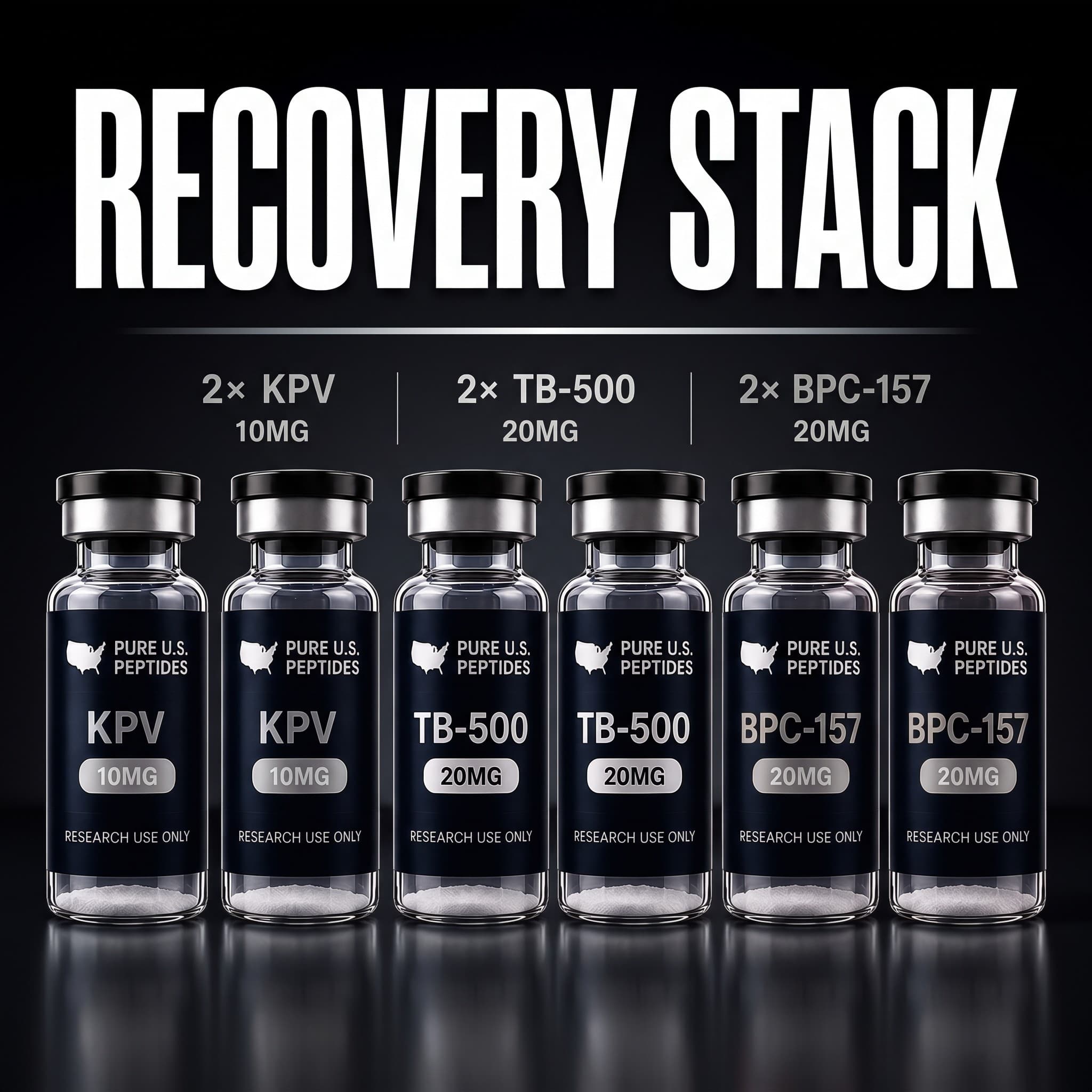
KPV + TB-500 + BPC-157 Research Kit
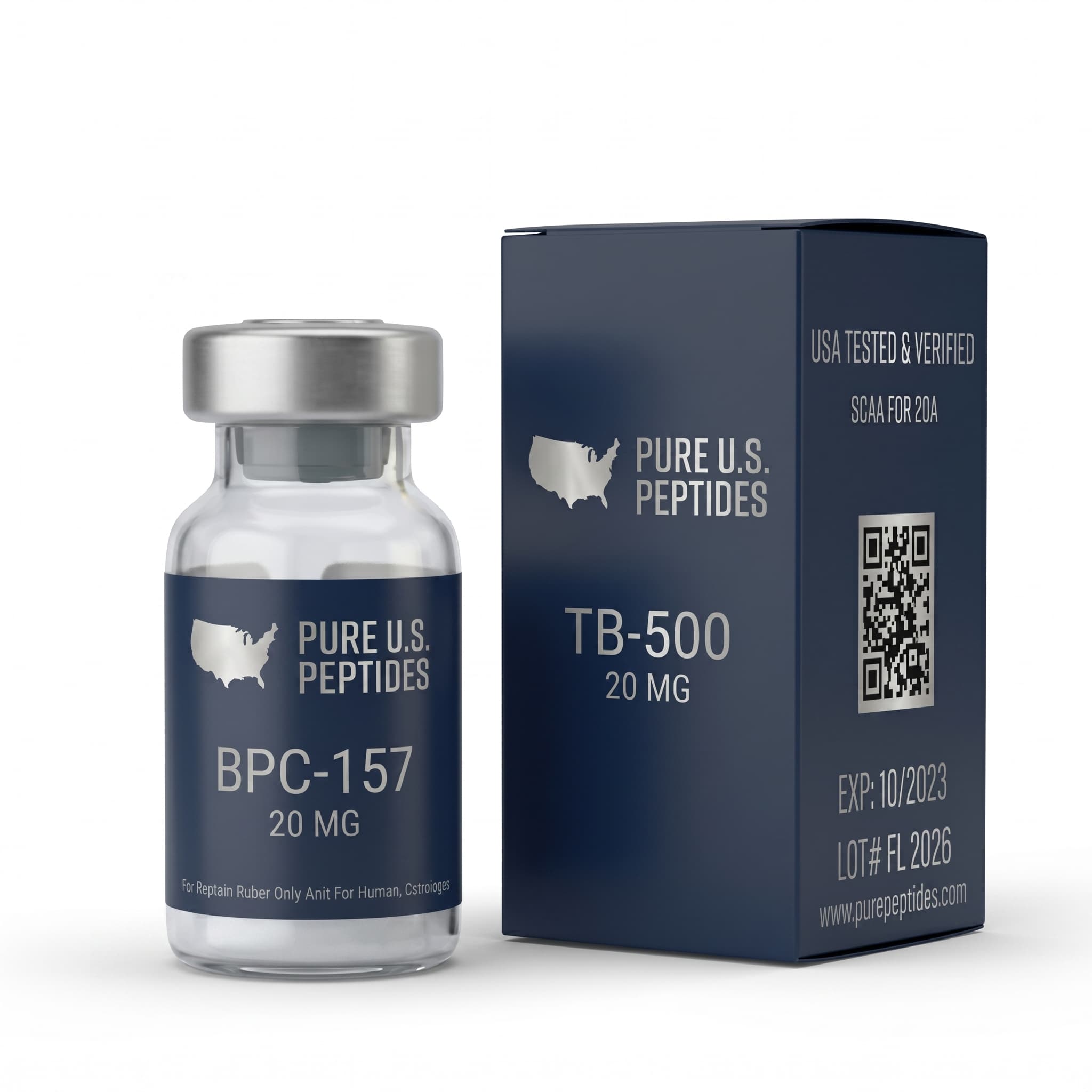
BPC-157 20mg + TB-500 20mg Bundle
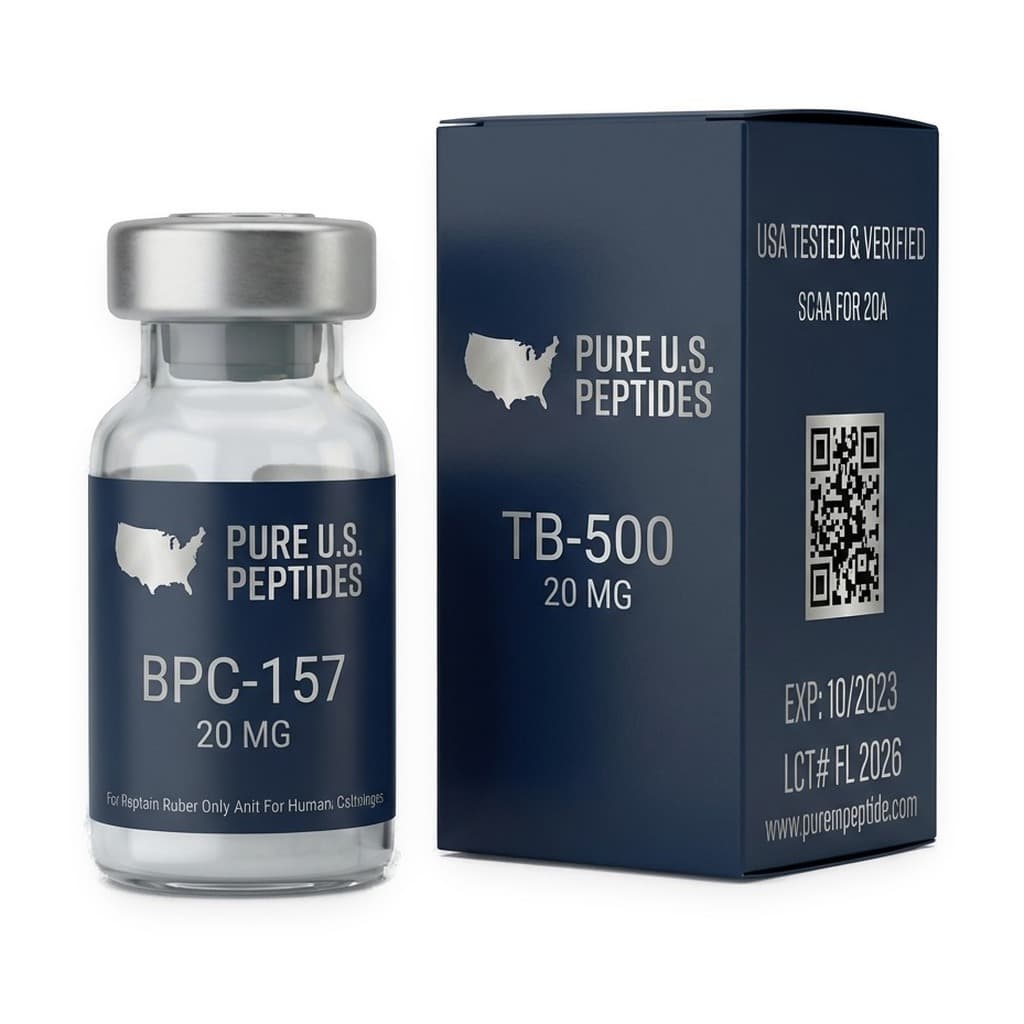
BPC-157 10mg + TB-500 10mg Bundle