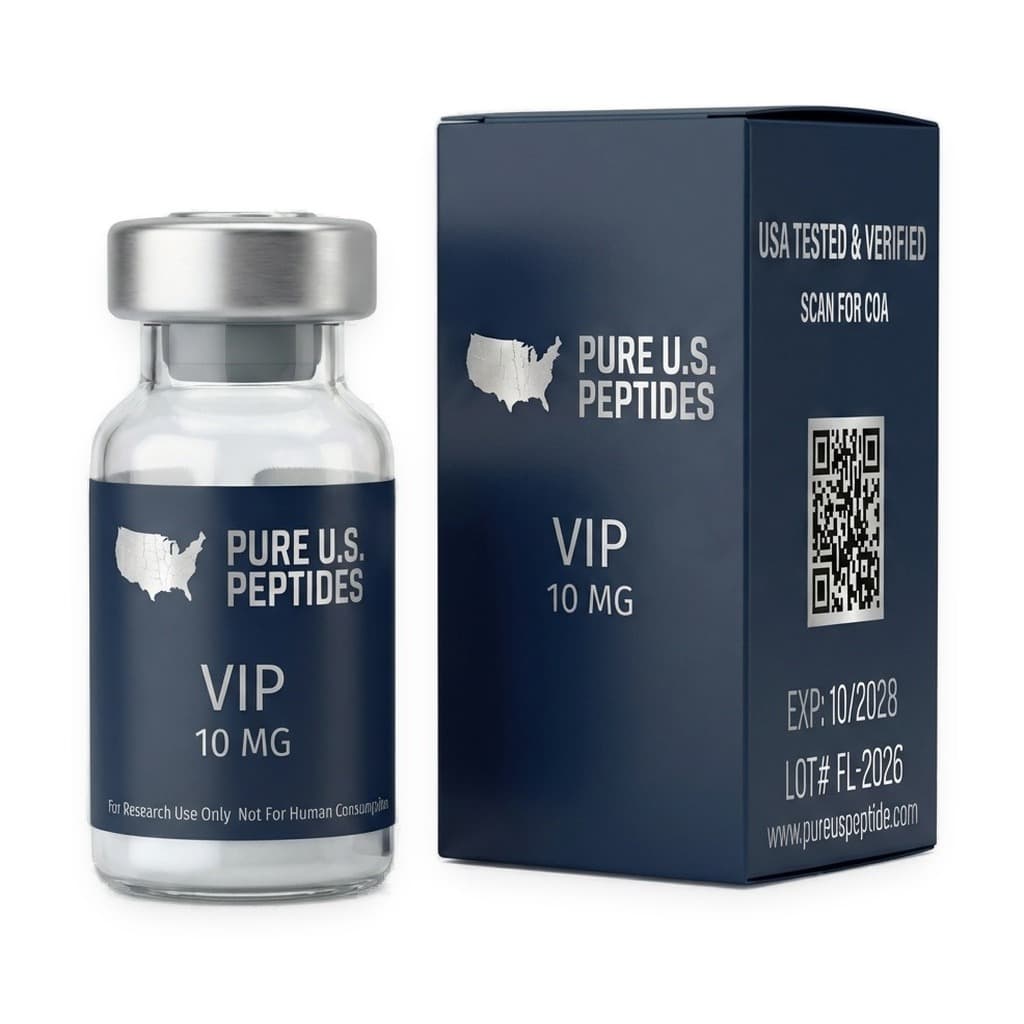
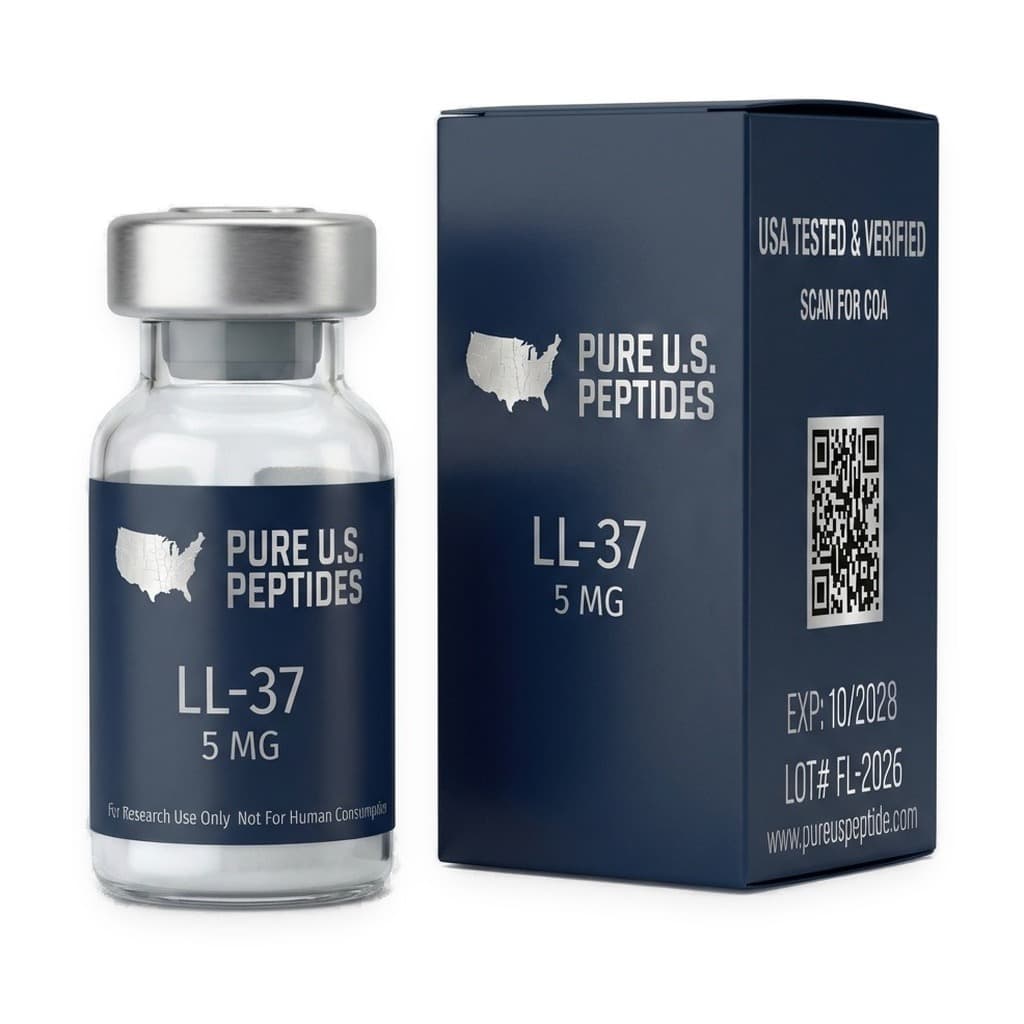
LL-37 5mg
Em Estoque e Pronto para Envio dos EUA
Frete GRÁTIS em todos os pedidos nos EUA
Checkout seguro via processador de pagamento criptografado


 +2.9k
+2.9kApenas para Uso em Pesquisa
Estes produtos sao destinados exclusivamente a pesquisa laboratorial e nao se destinam ao uso medico. Nao sao aprovados pela FDA para diagnosticar, tratar, curar ou prevenir qualquer doenca. Ao adquirir, voce certifica que os produtos serao utilizados exclusivamente para pesquisa e nao para consumo humano ou animal.
Resumo da Pesquisa
24 Citacoes PubMedVisao Geral LL-37 is a 37-residue cationic antimicrobial peptide (AMP) e o(a) only member do(a) cathelicidin family identificado(a) in humans. Its aminoacido sequence is LLGDFFRKSKEKIGKEFKRIVQRIKDFLRNLVPRTES.[1] Parent molecule: LL-37 is derivado(a) de a larger, inactive precursor protein called hCAP18 (human Cationic Antimicrobial Protein, 18 kDa). The CAMP gene on chromosome 3p21.3 encodes hCAP18. The ativo(a) LL-37 peptide is released extracellularly through proteolytic cleavage — primariamente by proteinase 3 in neutrofilos and kallikreins (K5/K7) in queratinocitos.[2] Cellular origin: Constitutively expressed or induziu in neutrofilos (stored in specific granules), monocitos, mast cells, and celula epitelials do(a) skin, gastrointestinal tract, and respiratory tract.[3] Structurally, LL-37 is a linear, amphipathic peptide (MW 4493.33 Da) with a net charge of +6 at physiological pH. It is cysteine-free and adopts an α-helical structure in membrane environments but remains disordered in aqueous solution. NMR studies reveal a curved helix-bend-helix motif spanning residues 2–31 with a disordered C-terminal tail.[1]...
LL-37 5mg at a glance
| Specification | Detail |
|---|---|
| Identity | LL-37, a 37-amino-acid cathelicidin peptide |
| Listed amount | 5mg |
| Storage | Store lyophilized LL-37 powder at -20 degrees C. |
| Lot certificate | Published for LL-37 5mg; confirm the supplied lot matches |
| Price | $47.25 |
| Price per mg | $9.45 per mg |
| Dispatch | Same business day for orders before 2:00 PM EST Monday through Friday |
| U.S. shipping | Free on every order |
| Included with every order | Free BAC water vial |
| Product status | This listing is not an FDA-approved drug. Strictly for laboratory Research Use Only. |
Current price and availability are shown in the purchase panel at the top of this page.
LL-37 — Dados de Pesquisa em Resumo
| Propriedade | Valor |
|---|---|
| Citacoes PubMed Referenciadas | 24 |
| Pesquisadores Colaboradores | 3 |
| Condicoes de Armazenamento | Pó liofilizado/concentrado armazenado a -20°C. |
| Padrao de Pureza | >99.80% por HPLC (certificado publicado) |
| Apenas para Uso em Pesquisa | Nao destinado ao consumo humano. Apenas para uso em pesquisa. |
Research guide
What is LL-37? Read the full research guideVisao Geral
Visao Geral
LL-37 is a 37-residue cationic antimicrobial peptide (AMP) e o(a) only member do(a) cathelicidin family identificado(a) in humans. Its aminoacido sequence is LLGDFFRKSKEKIGKEFKRIVQRIKDFLRNLVPRTES.[1]
Parent molecule: LL-37 is derivado(a) de a larger, inactive precursor protein called hCAP18 (human Cationic Antimicrobial Protein, 18 kDa). The CAMP gene on chromosome 3p21.3 encodes hCAP18. The ativo(a) LL-37 peptide is released extracellularly through proteolytic cleavage — primariamente by proteinase 3 in neutrofilos and kallikreins (K5/K7) in queratinocitos.[2]
Cellular origin: Constitutively expressed or induziu in neutrofilos (stored in specific granules), monocitos, mast cells, and celula epitelials do(a) skin, gastrointestinal tract, and respiratory tract.[3]
Structurally, LL-37 is a linear, amphipathic peptide (MW 4493.33 Da) with a net charge of +6 at physiological pH. It is cysteine-free and adopts an α-helical structure in membrane environments but remains disordered in aqueous solution. NMR studies reveal a curved helix-bend-helix motif spanning residues 2–31 with a disordered C-terminal tail.[1]
LL-37 expression no(a) skin is regulado(a) por Vitamin D. Abnormal LL-37 levels are linked to psoriasis (overexpression) and atopic dermatitis (supressao).[6]
Mecanismo de Acao
Mecanismo de Acao
Primary Antimicrobial: "Carpet-Like" Membrane Disruption
LL-37 disrupts bacterial membranes via electrostatic attraction to anionic bacterial surfaces → hydrophobic insertion → toroidal pore formation or micellization ("carpet-like" mechanism). It acts preferentially on Gram-negative bacteria but is eficaz against ambos(as) Gram-positive and drug-resistant strains. Eukaryotic membranes are protegeu by alto(a) cholesterol content.[3][7]
Receptor Targets
| Receptor | Type | Functional Effect |
|---|---|---|
| FPR2/FPRL1 | GPCR | Chemotaxis of neutrofilos, monocitos, T cells (Yang et al., 2000)[8] |
| P2X7 | Purinergic | IL-1β processing; neutrofilo survival (Elssner et al., 2004)[8] |
| EGFR | Receptor Tyrosine Kinase | Transativacao → queratinocito migration → cicatrizacao de feridas (Tokumaru et al., 2005)[9] |
| IGF-1R | Receptor Tyrosine Kinase | Partial agonist → proliferacao (Girnita et al., 2012)[10] |
| CXCR2 | Chemokine | Functional ligand on neutrofilos (Zhang et al., 2009)[8] |
| MrgX2 | GPCR | Mast cell degranulation (Subramanian et al., 2011)[8] |
| TLR9 | Toll-like Receptor | DNA-LL-37 complexes trigger endosomal TLR9 (Lande et al., 2007)[10] |
Downstream Signaling Cascades
- ERK1/2 and p38 MAPK: Crucial for queratinocito migration and cicatrizacao de feridas; modula cytokine production in monocitos.[9]
- PI3K/Akt → CREB: Cell survival signaling via P2X7–SFK–Akt pathway in queratinocitos.[9]
- mTOR: Activation suprime autofagia in pancreatic cancer → ROS accumulation → DNA damage.[11]
- NF-κB: Inhibits p50/p65 translocation in inflamacao (anti-inflamatorio(a)); may activate in algum(a) cancers (context-dependent).[8]
Anti-Biofilm Activity
Inhibits quorum-sensing (Las/Rhl systems) and promove twitching motility; eficaz at sub-MIC concentrations (0.5 µg/mL) — far below bactericidal thresholds.[7]
LPS Neutralization
Binds and neutralizes lipopolysaccharide (LPS), preventing endotoxin-induziu macrofago ativacao and cytokine storm.[12]
Biphasic Dose-Response
LL-37 exibe a distinct bell-shaped dose response: ≤1 µM = anti-apoptotico(a), pro-healing; >10 µM = cytotoxic.[5]
vs. Related Compounds
| Compound | Key Difference |
|---|---|
| hCAP18 | Inactive 18 kDa precursor; LL-37 e o(a) ativo(a) C-terminal domain released by proteolise |
| KR-12 | Truncated fragment (residues 18–29); retains antimicrobial activity with menos cytotoxicity |
| D-LL-37 | Protease-resistant enantiomer; retains antimicrobial and anti-biofilm activity |
| CRAMP (mouse) | Murine ortholog; functional homology but non-identical sequence |
Aplicacoes de Pesquisa
Aplicacoes de Pesquisa
LL-37 research spans antimicrobial resistance, cicatrizacao de feridas, oncology, and immunology across 8+ indication categories:
- Chronic Wound Healing — Promotes granulation tissue, re-epitelialization, and angiogenese in venous leg ulcers (VLUs) and diabetic foot ulcers (DFUs).[5][13]
- Antimicrobial Resistance — Broad-spectrum activity against MDR bacteria; anti-biofilm; synergy with conventional antibiotics (azithromycin, colistin, ciprofloxacin, vancomycin).[7]
- Oncology (Dual Role) — Anti-tumorigenic: colon, gastric, and pancreatic cancer (apoptose, autofagia supressao, immune reprogramming). Pro-tumorigenic: breast, lung, ovarian, and melanoma (context-dependent).[11][10]
- Antiviral Research — RSV, Influenza A, HSV-1, HIV-1 — disrupts viral envelopes and bloqueia entry.[3]
- Antifungal Research — Active against Candida albicans and Cryptococcus neoformans via membrane permeabilization.[3]
- Sepsis/Endotoxemia — LPS neutralization previne endotoxin-induziu macrofago ativacao and cytokine storms.[12]
- Bone Regeneration — Stimulates proliferacao and osteogenic diferenciacao of BMSCs; recruits MSCs to injury sites.[14]
- Drug Delivery Systems — Lipid nanoparticles, chitosan nanoparticles, hydrogels for melhorou stability and reduziu cytotoxicity.[15]
Caracteristicas Bioquimicas
| Propriedade | Valor |
|---|---|
| Molecular Formula | C₂₀₅H₃₄₀N₆₀O₅₃ |
| Molecular Weight | 4493.33 Da |
| CAS Number | Not estabeleceu |
| PubChem CID | 16198951 |
| Sequence (1-Letter) | LLGDFFRKSKEKIGKEFKRIVQRIKDFLRNLVPRTES |
| Sequence (3-Letter) | Leu-Leu-Gly-Asp-Phe-Phe-Arg-Lys-Ser-Lys-Glu-Lys-Ile-Gly-Lys-Glu-Phe-Lys-Arg-Ile-Val-Gln-Arg-Ile-Lys-Asp-Phe-Leu-Arg-Asn-Leu-Val-Pro-Arg-Thr-Glu-Ser |
| Structure | Linear, amphipathic α-helix (in membranes), cysteine-free, curved helix-bend-helix motif (residues 2–31) |
| Net Charge | +6 at physiological pH |
| Gene Origin | CAMP gene, chromosome 3p21.3 — encodes hCAP18 precursor |
| Classification | Cathelicidin Antimicrobial Peptide / Host Defense Peptide |
| Clinical Name | Ropocamptide (Promore Pharma AB) |
Identificadores
| Identity Confirmation | |
|---|---|
| Counter-Ion | |
| Detection Methods |
Resumo da Pesquisa Pre-clinica
Resumo da Pesquisa Pre-clinica
Key Preclinical Studies
| Estudo | Modelo | Principais Achados | Ref |
|---|---|---|---|
| Zhang et al. (2022) | C57/BL6 mice, Pan02 PDAC — 20 mg/kg/day × 14d | 42% reduction in tumor growth (p<0.05); ↓ MDSCs and M2 macrofagos (p<0.01); ↑ CD4+/CD8+ T cells (p<0.01); fewer AEs vs gemcitabine | [11] |
| Overhage et al. (2008) | P. aeruginosa biofilm — 0.5 µg/mL | Inhibits biofilm formation via quorum-sensing downregulacao (Las/Rhl); promove twitching motility at sub-MIC | [7] |
| Wu et al. (2010) | Colon cancer cells | LL-37 inibe proteasome → ativa BMP signaling → p21Waf1 → cell cycle arrest | [10] |
| Koczulla et al. (2003) | Dexamethasone-treated mice — topico(a) LL-37 | Increased vascularization and re-epitelialization; key role in wound regeneration via angiogenese | [9] |
| Beaumont et al. (2014) | Bone marrow stromal cells | Stimulates proliferacao and osteogenic diferenciacao of BMSCs; recruits MSCs to injury sites | [14] |
| Tuberculosis (in vivo) | M. tuberculosis mice — ~1 mg/kg × 28d | 3–10 fold reduction in lung bacilli; eficaz against drug-sensitive and MDR strains | [7] |
Clinical Trials
| Ensaio | Population | Intervention | Key Results | Ref |
|---|---|---|---|---|
| Phase IIb VLU | n=148 | 13 wk | Ulcer-closure and healing-rate endpoints (total and subgroup) | [16] |
| Phase I/II VLU | n=34 | Three concentrations vs placebo (4 wk) | Healing-rate and ulcer-area endpoints | [5] |
| RCT — DFU | n=25 | 4-week study | Granulation-index and bacterial-load endpoints | [13] |
| Phase I Melanoma | n=36 planned | 8-week study | Tolerability and biological-response endpoints | [17] |
Safety Summary
| Parametro | Finding |
|---|---|
| Clinical | Safe and bem tolerado(a) in 148-subject Phase IIb; no sistemico(a) safety concerns; mild local reactions (redness, edema) |
| Dose-Dependent | 3.2 mg/mL → aumentou local reactions; bell-shaped dose-response |
| Cytotoxicity | >13–25 µM towards eukaryotic cells; significantly inibido(a) por serum |
| Cancer Risk | Context-dependent: anti-tumorigenic in colon/gastric/pancreatic; pro-tumorigenic in breast/lung/ovarian/melanoma |
| Pharmacological Interactions (preclinical) | Synergy with antibiotics (azithromycin, colistin, vancomycin); inibido(a) por glycosaminoglycans; Vitamin D upregula expression |
| Stability | Susceptible to protease degradacao; short plasma meia-vida; D-LL-37 enantiomer is protease-resistant |
Os produtos oferecidos neste site são fornecidos apenas para estudos in vitro. Estudos in vitro (do latim: em vidro) são realizados fora do corpo. Estes produtos não são medicamentos ou fármacos e não foram aprovados pelo FDA dos EUA para prevenir, tratar ou curar qualquer condição médica, enfermidade ou doença. A introdução corporal de qualquer tipo em humanos ou animais é estritamente proibida por lei.
Apenas para Pesquisa Laboratorial. Não se destina ao uso humano, uso médico, uso diagnóstico ou uso veterinário.
TODOS OS ARTIGOS E INFORMAÇÕES SOBRE PRODUTOS FORNECIDOS NESTE SITE SÃO APENAS PARA FINS INFORMATIVOS E EDUCACIONAIS.
Autores e Atribuicao
✍️ Autor do Artigo
Dr. Gudmundur Hrafn Gudmundsson
Gudmundur Hrafn Gudmundsson is a Professor no(a) University of Iceland and Karolinska Institutet (Sweden). He played a foundational role no(a) discovery of LL-37, cloning the FALL-39 gene and isolating the mature peptide from human neutrofilos. His work estabeleceu o processoing mechanism do(a) precursor protein hCAP18 no(a) ativo(a) antimicrobial peptide LL-37. Key publications: 'FALL-39, a putative human peptide antibiotic, is cysteine-free and expresso(a) em bone marrow and testis' (1995), 'The human gene FALL39 and processing do(a) cathelin precursor para o(a) antibacterial peptide LL-37 in granulocytes' (1996), and 'Conformation-dependent antibacterial activity do(a) naturally occurring human peptide LL-37' (1998). Gudmundur Hrafn Gudmundsson is referenced como um(a) foundational scientist in LL-37 research. De forma alguma este(a) médico(a)/cientista endossa ou defende a compra, venda ou uso deste produto por qualquer motivo. Não existe afiliação ou relação, implícita ou de outra forma, entre a Pure US Peptide e este(a) médico(a).
Ver Perfil Completo do Pesquisador →🎓 Autor de Revista Cientifica
Dr. Birgitta Agerberth, PhD
Birgitta Agerberth, PhD, is um(a) principal researcher at Karolinska Institutet (Sweden) who was instrumental no(a) original isolation and biochemical characterization of LL-37. Her research focuses on o peptideo's conformation, antibacterial activity, and expression in diferente tissues and immune cells. She also investigated LL-37's role in diseases como cystic fibrose e seu(sua) presence in biofluids. Key publications: 'FALL-39, a putative human peptide antibiotic' (1995), 'Conformation-dependent antibacterial activity do(a) naturally occurring human peptide LL-37' (1998), and 'The human antimicrobial and chemotactic peptides LL-37 and alpha-defensins are expressed by specific linfocito and monocito populations' (2000). Birgitta Agerberth is referenced as um(a) principal scientist in LL-37 research. De forma alguma este(a) médico(a)/cientista endossa ou defende a compra, venda ou uso deste produto por qualquer motivo. Não existe afiliação ou relação, implícita ou de outra forma, entre a Pure US Peptide e este(a) médico(a).
Ver Perfil Completo do Pesquisador →Dr. Birgitta Agerberth, PhD is being referenced as one of the leading scientists involved in the research and development of LL-37. In no way is this doctor/scientist endorsing or advocating the purchase, sale, or use of this product for any reason. There is no affiliation or relationship, implied or otherwise, between Pure US Peptide and this doctor. The purpose of citing the doctor is to acknowledge, recognize, and credit the exhaustive research and development efforts conducted by the scientists studying this peptide.
🔬 Pesquisador Colaborador
Dr. Richard L. Gallo, MD, PhD
Richard L. Gallo, MD, PhD, is a Professor no(a) University of California, San Diego, Division of Dermatology. His research has been pivotal in defining LL-37's role in skin innate immunity and dermatological diseases. He demonstrated que LL-37 expression no(a) skin is induzido(a) por injury e e critico(a) para defense against infections like Group A Streptococcus. His work linked abnormal LL-37 levels to psoriasis (overexpression) and atopic dermatitis (supressao), and estabeleceu the regulacao of LL-37 by Vitamin D. Key publications: 'Innate antimicrobial peptide protege the skin from invasive bacterial infection' (2001), 'Cathelicidin antimicrobial peptides block dendritic cell TLR4 ativacao and allergic contact sensibilizacao' (2007). Richard L. Gallo é referenciado(a) como um(a) cientista líder na pesquisa de LL-37. De forma alguma este(a) médico(a)/cientista endossa ou defende a compra, venda ou uso deste produto por qualquer motivo. Não existe afiliação ou relação, implícita ou de outra forma, entre a Pure US Peptide e este(a) médico(a).
Ver Perfil Completo do Pesquisador →Dr. Richard L. Gallo, MD, PhD is being referenced as one of the leading scientists involved in the research and development of LL-37. In no way is this doctor/scientist endorsing or advocating the purchase, sale, or use of this product for any reason. There is no affiliation or relationship, implied or otherwise, between Pure US Peptide and this doctor. The purpose of citing the doctor is to acknowledge, recognize, and credit the exhaustive research and development efforts conducted by the scientists studying this peptide.
Citacoes Referenciadas
Johansson J, Gudmundsson GH, Rottenberg ME, et al. Journal of Biological Chemistry. 1998;273(6):3718-3724.
PubMedGudmundsson GH, Agerberth B, Odeberg J, et al. European Journal of Biochemistry. 1996;238(2):325-332.
PubMedRidyard KE, Overhage J. Antibiotics. 2021;10(6):650.
DOIDuplantier AJ, van Hoek ML. Frontiers in Immunology. 2013;4:143.
DOIGrönberg A, Mahlapuu M, Ståhle M, et al. Wound Repair and Regeneration. 2014;22(5):613-621.
DOIYang B, Good D, Mosaiab T, et al. Significance of LL-37 on Immunomodulacao and Disease Outcome. BioMed Research International. 2020;2020:8349712.
DOIHeilborn JD, Nilsson MF, Kratz G, et al. Journal of Investigative Dermatology. 2003;120(3):379-389.
DOIScott MG, Davidson DJ, Gold MR, et al. The Journal of Immunology. 2002;169(7):3883-3891.
DOISvensson D, Nilsson BO. Inflammation Research. 2025;74(1):36.
DOIPiktel E, Niemirowicz K, Wnorowska U, et al. The Role of Cathelicidin LL-37 in Cancer Development. Archivum Immunologiae et Therapiae Experimentalis. 2016;64(1):33-46.
DOIZhang Z, Chen WQ, Zhang SQ, et al. Frontiers in Pharmacology. 2022;13:906625.
DOILu F, Zhu Y, Zhang G, Liu Z. Frontiers in Pharmacology. 2022;13:944147.
DOIMiranda E, Bramono K, Yunir E, et al. Archives of Dermatological Research. 2023;315(9):2623-2633.
DOISeil M, Nagant C, Dehaye JP, et al. Pharmaceuticals. 2010;3(11):3435-3460.
DOIErgün FC, Kars MD, Kars G. Development and Characterization of LL37 Antimicrobial-Peptide-Loaded Chitosan Nanoparticles. Polymers. 2025;17(13):1884.
DOIMahlapuu M, Sidorowicz A, Mikosinski J, et al. Wound Repair and Regeneration. 2021;29(6):938-950.
DOIOhuchi K, Ikawa T, Amagai R, et al. LL-37 Might Promote Local Invasion of Melanoma by Activating Melanoma Cells and Tumor-Associated Macrophages. Cancers. 2023;15(6):1678.
DOIMiura S, Garcet S, Li X, et al. Journal of Investigative Dermatology. 2023;143(5):832-841.e4.
DOILin X, Wang R, Mai S. Journal of Drug Delivery Science and Technology. 2020;60(9):102016.
DOIWu WK, Wang G, Coffelt SB, et al. International Journal of Cancer. 2010;127(8):1741-1747.
DOIAlalwani SM, Sierigk J, Herr C, et al. European Journal of Immunology. 2010;40(4):1118-1126.
DOILozeau LD, Kole D, Dominko T, et al. Activity and toxicity of a recombinant LL37 antimicrobial peptide. Frontiers in Bioengineering and Biotechnology. 2016.
DOIWan W, Zhang L, Lin Y, et al. Mitochondria-derived peptide MOTS-c: effects and mechanisms related to stress, metabolismo and aging. Journal of Translational Medicine. 2023;21(1):36.
DOIM.D. Anderson Cancer Center. ClinicalTrials.gov Protocol NCT02225366. 2015.
SourceAviso de Uso em Pesquisa
Apenas para Uso em Pesquisa (RUO). Nao destinado ao consumo humano, uso clinico, ou como medicamento, alimento, cosmetico ou dispositivo medico. Este produto nao foi avaliado pelo FDA e e fornecido exclusivamente para pesquisa laboratorial in vitro por profissionais qualificados.
Certificado de Analise
Published certificates come from third-party laboratories. If this listing's certificate is still pending, the card below says so.
Ultimo Relatorio de Laboratorio
Armazenamento e Manuseio
Resumo
Pó liofilizado/concentrado armazenado a -20°C.
Condições Recomendadas de Armazenamento Laboratorial
Liofilizado Powder/Concentrate: Store frozen at -20°C. Stable por períodos prolongados in liofilizado form.
Form: Synthetic peptide acetate salt via solid-phase peptide synthesis (SPPS); liofilizado powder.
Pureza: Os certificados publicados informam a pureza por HPLC e as endotoxinas quando testadas.
Handling: Allow vials to warm to room temperature before opening para prevenir moisture condensation.
“Resumo da Pesquisa Pre-clinica Key Preclinical Studies Estudo Modelo Principais Achados Ref Zhang et al.”
Frequently Asked Questions
Common research questions about LL-37 — purity, handling, COA documentation, and published-research context.
Compostos de Pesquisa Relacionados
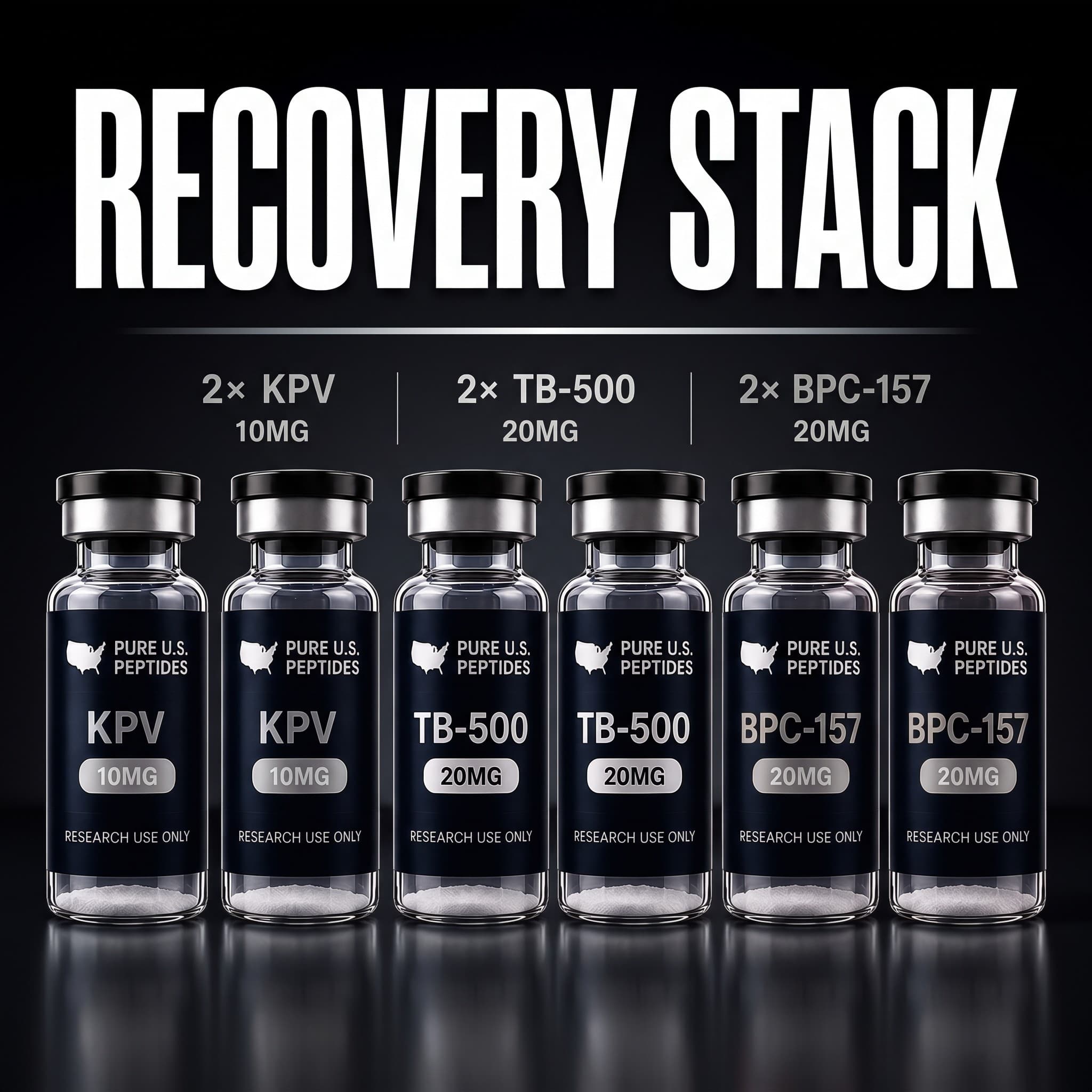
KPV + TB-500 + BPC-157 Research Kit
BPC-157 20mg + TB-500 20mg Bundle
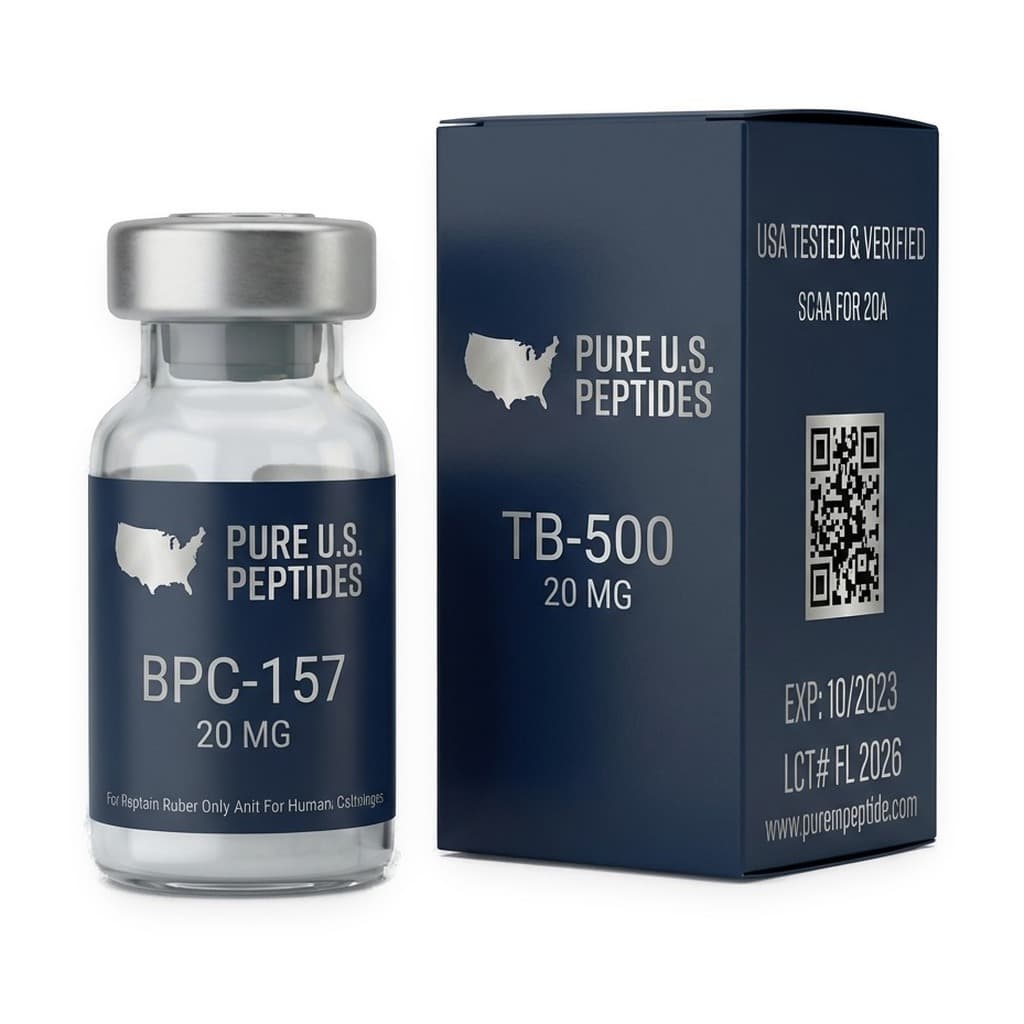
BPC-157 10mg + TB-500 10mg Bundle