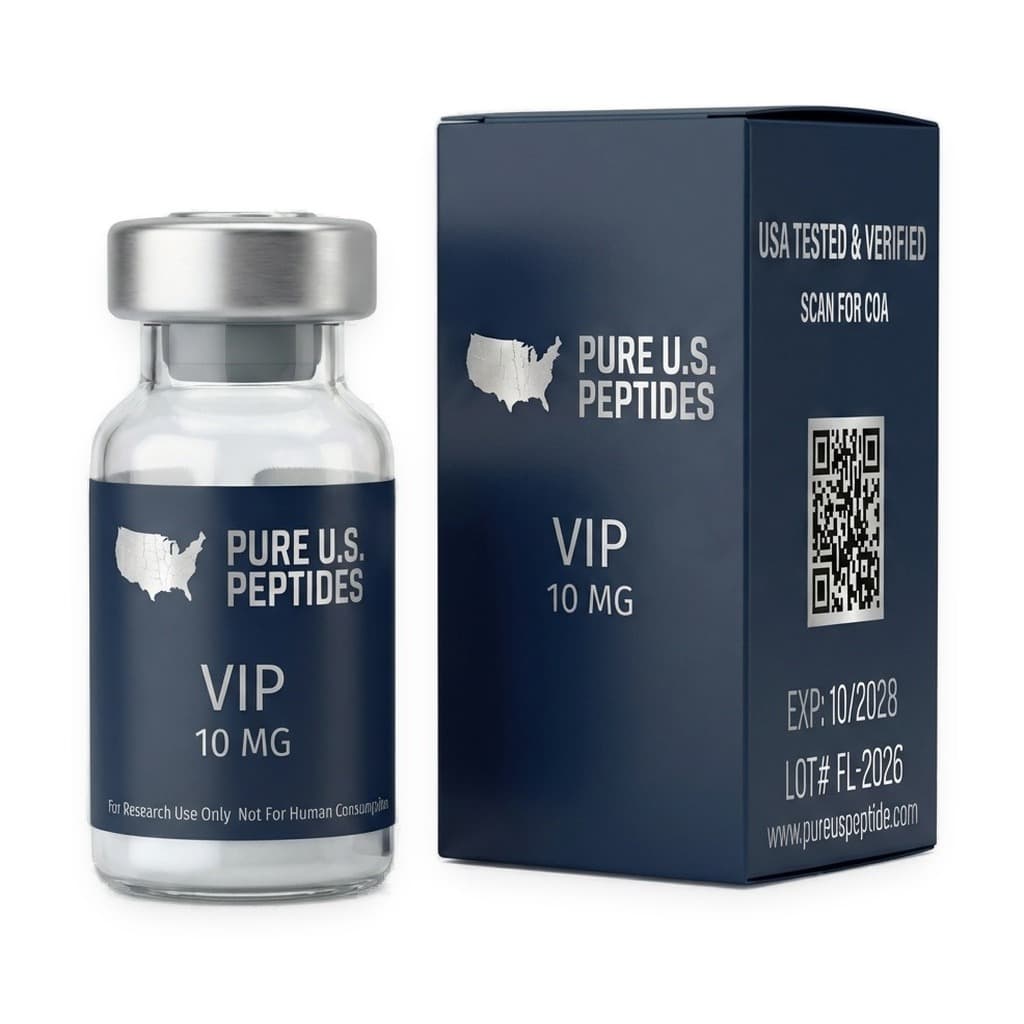
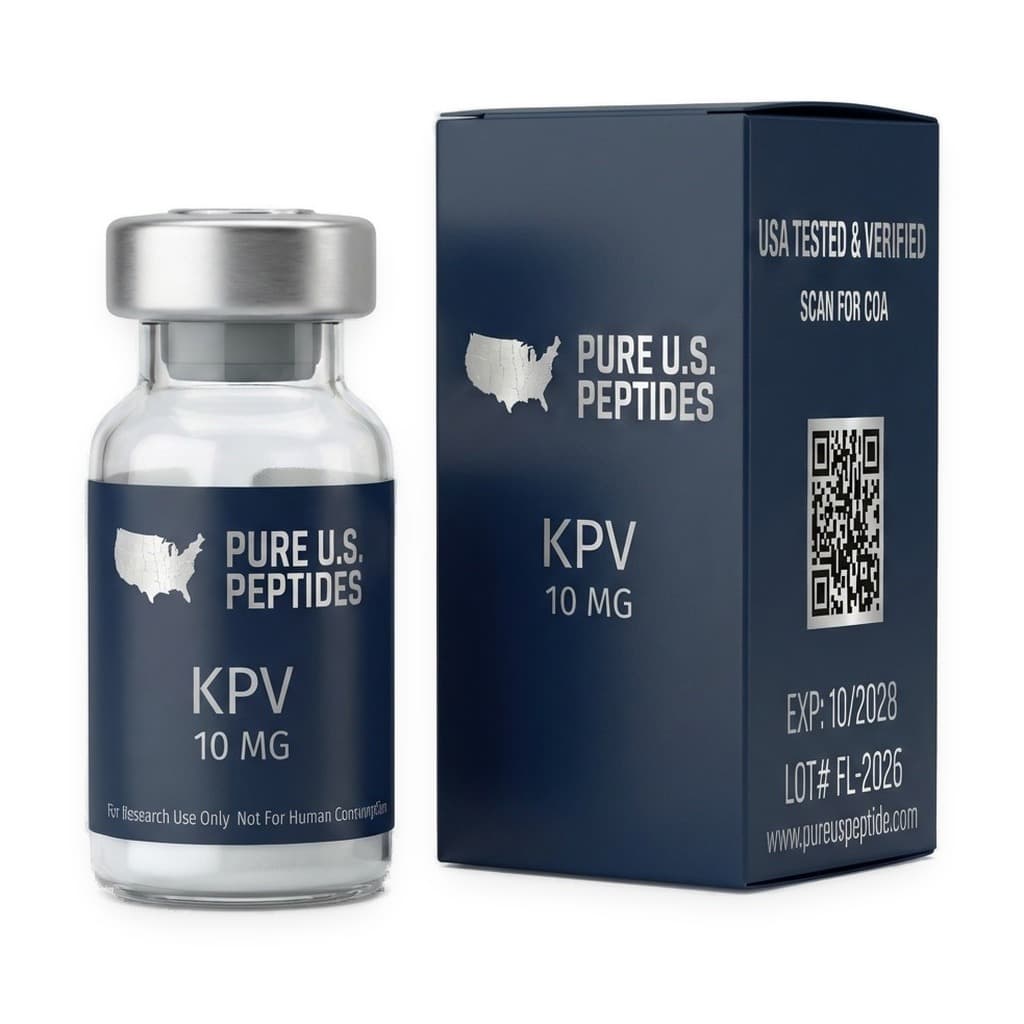
KPV 10mg
Em Estoque e Pronto para Envio dos EUA
Frete GRÁTIS em todos os pedidos nos EUA
Checkout seguro via processador de pagamento criptografado


 +2.9k
+2.9kApenas para Uso em Pesquisa
Estes produtos sao destinados exclusivamente a pesquisa laboratorial e nao se destinam ao uso medico. Nao sao aprovados pela FDA para diagnosticar, tratar, curar ou prevenir qualquer doenca. Ao adquirir, voce certifica que os produtos serao utilizados exclusivamente para pesquisa e nao para consumo humano ou animal.
Resumo da Pesquisa
26 Citacoes PubMedVisao Geral KPV (Lys-Pro-Val) e um(a) que ocorre naturalmente tripeptide derivado(a) de the C-terminal fragment (aminoacidos 11–13) of alpha-melanocyte-stimulating hormone (α-MSH), a 13-aminoacido POMC-derived neuropeptide.[1][2] Originally caracterizado(a) por James M. Lipton and Melanie E. Hiltz in 1989, KPV was identificado(a) como the specific molecular fragment responsavel por the parent hormone's anti-inflamatorio(a) and antipyretic activities — the "active message sequence" que retains immunomodulatory and antimicrobial properties enquanto lacking pigment-inducing activity.[7][8] A critico(a) mechanistic distinction: KPV does not bind melanocortin receptors (MC1R-MC5R) in mammalian cells, nao increase cAMP, and nao induce melanogenesis. Instead, it enters cells via o(a) PepT1 (SLC15A1) oligopeptide transporter — que is notably upregulou in inflamed colonic tissue — enabling targeted delivery to sites of ativo(a) inflamacao.[3][4] The FDA placed KPV no(a) Categoria 2 Substancia Farmaceutica a Granels list, citing insufficient human exposure data and potential immunogenicity from peptide-related impurities.[5] No large-scale randomizado controlled trials have been published; human...
KPV 10mg at a glance
| Specification | Detail |
|---|---|
| Identity | KPV, lysine-proline-valine research tripeptide |
| Listed amount | 10mg |
| Storage | Store lyophilized KPV at -20 degrees C. Avoid freeze-thaw cycles. Protect from light and moisture. |
| Lot certificate | Report pending; no published lot certificate today |
| Price | $47.25 |
| Price per mg | $4.72 per mg |
| Dispatch | Same business day for orders before 2:00 PM EST Monday through Friday |
| U.S. shipping | Free on every order |
| Included with every order | Free BAC water vial |
| Product status | This listing is not an FDA-approved drug. Strictly for laboratory Research Use Only. |
Current price and availability are shown in the purchase panel at the top of this page.
KPV — Dados de Pesquisa em Resumo
| Propriedade | Valor |
|---|---|
| Citacoes PubMed Referenciadas | 26 |
| Pesquisadores Colaboradores | 3 |
| Condicoes de Armazenamento | Armazene liofilizado KPV a −20°C por 2–3 anos; Evite ciclos de congelamento-descongelamento. |
| Padrao de Pureza | Certificado pendente |
| Apenas para Uso em Pesquisa | Nao destinado ao consumo humano. Apenas para uso em pesquisa. |
Research guide
What is KPV? Read the full research guideVisao Geral
Visao Geral
KPV (Lys-Pro-Val) e um(a) que ocorre naturalmente tripeptide derivado(a) de the C-terminal fragment (aminoacidos 11–13) of alpha-melanocyte-stimulating hormone (α-MSH), a 13-aminoacido POMC-derived neuropeptide.[1][2]
Originally caracterizado(a) por James M. Lipton and Melanie E. Hiltz in 1989, KPV was identificado(a) como the specific molecular fragment responsavel por the parent hormone's anti-inflamatorio(a) and antipyretic activities — the "active message sequence" que retains immunomodulatory and antimicrobial properties enquanto lacking pigment-inducing activity.[7][8]
A critico(a) mechanistic distinction: KPV does not bind melanocortin receptors (MC1R-MC5R) in mammalian cells, nao increase cAMP, and nao induce melanogenesis. Instead, it enters cells via o(a) PepT1 (SLC15A1) oligopeptide transporter — que is notably upregulou in inflamed colonic tissue — enabling targeted delivery to sites of ativo(a) inflamacao.[3][4]
The FDA placed KPV no(a) Categoria 2 Substancia Farmaceutica a Granels list, citing insufficient human exposure data and potential immunogenicity from peptide-related impurities.[5] No large-scale randomizado controlled trials have been published; human data is limited to patent case studies (psoriasis, contact dermatitis).[9]
Mecanismo de Acao
Mecanismo de Acao
PepT1-Mediated Cellular Entry (Primary Mechanism)
Diferentemente de its parent α-MSH — que acts through G-protein coupled melanocortin receptors (MC1R–MC5R) — KPV enters cells via o(a) proton-coupled oligopeptide transporter PepT1 (SLC15A1). In human intestinal celula epitelials (Caco2-BBE), PepT1 transports KPV with a Km of ~160 µM; in Jurkat T-cells, Km ≈ 700 µM.[3][4]
Importin-α3 Binding (Intracellular Target)
Once internalized, KPV binds Importin-α3 (Imp-α3) at armadillo domains 7–8, physically blocking the nuclear import of NF-κB p65RelA — preventing it from entering the nucleus to transcribe pro-inflamatorio(a) genes.[10][11]
NF-κB Pathway Inhibition (Dual Mechanism)
KPV inibe NF-κB through two complementary actions: (1) stabilizing IκBα by preventing its fosforilacao and degradacao, and (2) blocking p65RelA nuclear translocation via Importin-α3 binding. This dual mechanism provides robust supressao of inflammatory gene transcricao at concentrations as baixo(a) as 10 nM.[10][12]
MAPK Pathway Inhibition
KPV inibe fosforilacao and ativacao of three principal MAP kinases: ERK1/2, JNK, and p38 — reducing pro-inflamatorio(a) cytokine production induzido(a) por TNFα e outros(as) stimuli.[13]
mTORC1 Activation
KPV ativa mTORC1 (mechanistic target of rapamycin complex 1), evidenced by aumentou fosforilacao of p70 S6K at T389 — suggesting a role in traducaoal control and cell growth recovery during inflamacao.[14]
Calcium Signaling (Keratinocytes)
In human queratinocitos, KPV elevates intracellular Ca²⁺ concentrations via an adenosine agonist-dependent pathway — distinto(a) de the cAMP pathway used by α-MSH in outro(a) tissues.[14]
α-MSH vs. KPV: Key Distinctions
| Caracteristica | α-MSH (Parent) | KPV (Fragment) |
|---|---|---|
| Structure | 13 aminoacidos (tridecapeptide) | 3 aminoacidos (C-terminal tripeptide) |
| Primary Entry | Binds MC1R–MC5R (cell surface) | Transported by PepT1 (intracellular) |
| Second Messenger | Increases cAMP | Does NOT increase cAMP; ↑ Ca²⁺ in queratinocitos |
| Pigmentation | Induces melanogenesis | No pigmentation effect |
| Inflammation | Inhibits IκBα degradacao | Inhibits IκBα + bloqueia p65 nuclear import via Importin-α3 |
Aplicacoes de Pesquisa
Aplicacoes de Pesquisa
KPV demonstra potente anti-inflamatorio(a) activity across diverse tissue models, with unusually favorable indice terapeutico given its nanomolar potency:
- Inflammatory Bowel Disease / Colitis — Oral KPV in drinking water reduz DSS/TNBS-induziu colitis (MPO reduziu ~50%; body-weight endpoint reported). HA-nanoparticle delivery achieves 12,000-fold potency increase over free peptide. PepT1-dependent mechanism confirmou in KO mice.[3][6][15]
- Dermatological Inflammation — Topical KPV has been described in patent case reports on psoriasis and atopic/contact dermatitis endpoints.[9][16]
- Corneal and Cutaneous Wound Healing — Accelerated re-epitelialization in rabbit corneal wounds (topical) and oral mucositis (KPV@PPP_E hydrogel) with tissue morphology restoration.[17][18]
- Atividade Antimicrobiana — Active against S. aureus and C. albicans at picomolar to micromolar range. Dimeric form [CKPV]₂ shows aprimorou candidacidal activity.[19][20]
- Arthritis and Joint Inflammation — Reduced joint swelling, cartilage destruction, and PMN leucocito infiltration in crystal-induziu peritonitis models.[21]
- Pulmonary Inflammation — Inhibits MMP-9 activity, reduz eotaxin and IL-8 secretion in bronchial celula epitelials exposto(a) a TNFα or RSV.[22]
- Colitis-Associated Cancer — KPV preveniu AOM/DSS-induziu carcinogenesis in WT mice but not PepT1-KO mice, confirming PepT1-dependent anti-tumorigenic mechanism.[23]
- Vascular Calcification — Self-assembled KPV/rapamycin nanodrugs inhibit vascular calcification via anti-inflamatorio(a) + autofagia pathways.[24]
Caracteristicas Bioquimicas
| Propriedade | Valor |
|---|---|
| Molecular Formula | C₁₆H₃₀N₄O₄ |
| Molecular Weight | 342.44 g/mol (378.47 for Ac-KPV-NH₂) |
| CAS Number | 107715-88-8 |
| Sequence (3-Letter) | Lys-Pro-Val |
| Sequence (1-Letter) | KPV |
| Amino Acids | 3 (linear tripeptide) |
| Structural Type | Linear tripeptide; often synthesized with N-acetilacao and C-terminal amidation (Ac-KPV-NH₂) |
| Parent Molecule | α-MSH (alpha-melanocyte-stimulating hormone), aminoacidos 11–13 |
| Synonyms | α-MSH(11-13), alpha-melanocyte-stimulating hormone (11-13), KPV peptide |
| Plasma Half-Life | <30 minutes |
Identificadores
| InChI Key | |
|---|---|
| Isomeric SMILES | |
| Endotoxin | |
| Water Content |
Resumo da Pesquisa Pre-clinica
Resumo da Pesquisa Pre-clinica
Key Preclinical Studies
| Estudo | Modelo | Principais Achados | Ref |
|---|---|---|---|
| Dalmasso et al. (2008) | C57BL/6 mice — DSS + TNBS colitis | 100 µM KPV oral: MPO reduziu ~50% (DSS); body-weight change 5–10% vs 15–20% control (p < 0.05); PepT1-mediated uptake confirmou | [3] |
| Kannengiesser et al. (2008) | Mice — DSS + MC1R-KO | KPV rescued MC1Re/e mice from death in DSS colitis → mechanism is MC1R-independent | [15] |
| Xiao et al. (2017) | FVB mice — HA-KPV-NPs oral | 16 µg/kg/day × 6 days: 12,000-fold lower amount vs free KPV with equivalent efficacy; MPO to healthy-control levels (p < 0.01) | [6] |
| Viennois et al. (2016) | WT/PepT1-KO mice — AOM/DSS | KPV preveniu colitis-associated cancer in WT but NOT PepT1-KO → PepT1 dependence confirmou for anti-tumorigenic effects | [23] |
| Bonfiglio et al. (2006) | Rabbits — corneal wounds | KPV × 4 days: significantly smaller corneal wounds vs control | [17] |
| Shao et al. (2022) | Rats — oral mucositis + MRSA | KPV@PPP_E hydrogel: ↓ IL-1β, TNF-α; ↑ IL-10; restaurou gingival tissue morphology; dual anti-inflamatorio(a) + antibacterial | [18] |
Human Data (Patent Case Studies)
| Case | n= | Result | Ref |
|---|---|---|---|
| Psoriasis (US 6,894,028) | 1 | 1 mg topico(a) KPV: symptom relief >8 hours/application (vs 3 hours hydrocortisone); no AEs (hydrocortisone → telangiectasia/atrophy) | [9] |
| Contact Dermatitis (US 6,894,028) | 1 | Topical KPV: marked improvement within minutes; symptoms nao return | [9] |
Dose-Response Parameters
| Parametro | Valor | Ref |
|---|---|---|
| Anti-inflammatory IC (NF-κB/MAPK) | 10 nM | [3] |
| Antimicrobial range | Picomolar to micromolar | [19] |
| PepT1 Km (intestinal cells) | ~160 µM | [3] |
| PepT1 Km (T-cells) | ~700 µM | [4] |
| Oral dose (murine colitis) | 100 µM in drinking water | [3] |
| HA-NP dose (12,000x potency) | 16 µg/kg/day oral | [6] |
| Plasma meia-vida | <30 minutes | [25] |
| Acute toxicity (LD50) | Not identificado(a) (>100 mg/kg) | [25] |
Os produtos oferecidos neste site são fornecidos apenas para estudos in vitro. Estudos in vitro (do latim: em vidro) são realizados fora do corpo. Estes produtos não são medicamentos ou fármacos e não foram aprovados pelo FDA dos EUA para prevenir, tratar ou curar qualquer condição médica, enfermidade ou doença. A introdução corporal de qualquer tipo em humanos ou animais é estritamente proibida por lei.
Apenas para Pesquisa Laboratorial. Não se destina ao uso humano, uso médico, uso diagnóstico ou uso veterinário.
TODOS OS ARTIGOS E INFORMAÇÕES SOBRE PRODUTOS FORNECIDOS NESTE SITE SÃO APENAS PARA FINS INFORMATIVOS E EDUCACIONAIS.
Autores e Atribuicao
✍️ Autor do Artigo
Dr. James M. Lipton
James M. Lipton, PhD, is a pioneering researcher affiliated with Zengen Inc. e o(a) University of Texas. Lipton e o(a) lead inventor who estabeleceu que the anti-inflamatorio(a) and antipyretic activities do(a) larger α-MSH hormone reside specifically in its C-terminal tripeptide sequence, KPV. He demonstrated que KPV exerts efficacy across a broad range of concentrations, incluindo physiological picomolar ranges, and holds multiplos(as) patents for its use in treating dermatological disorders, uro-genital conditions, and sistemico(a) inflamacao. James M. Lipton é referenciado(a) como um(a) dos(as) principais cientistas envolvidos(as) na pesquisa e desenvolvimento de KPV. De forma alguma este(a) médico(a)/cientista endossa ou defende a compra, venda ou uso deste produto por qualquer motivo. Não existe afiliação ou relação, implícita ou de outra forma, entre a Pure US Peptide e este(a) médico(a).
Ver Perfil Completo do Pesquisador →🎓 Autor de Revista Cientifica
Dr. Didier Merlin
Didier Merlin, PhD, is affiliated com o(a) Department of Medicine, Division of Digestive Diseases at Emory University School of Medicine, e o(a) Institute for Biomedical Sciences at Georgia State University. Dr. Merlin's research estabeleceu PepT1-mediated uptake as o(a) principal mechanism of KPV action in intestinal inflamacao. His group developed hyaluronic acid-functionalized nanoparticles (HA-KPV-NPs) que alcancou a 12,000-fold potency increase in targeted colonic delivery for ulcerative colitis treatment. Didier Merlin é referenciado(a) como um(a) dos(as) principais cientistas envolvidos(as) na pesquisa e desenvolvimento de KPV. De forma alguma este(a) médico(a)/cientista endossa ou defende a compra, venda ou uso deste produto por qualquer motivo. Não existe afiliação ou relação, implícita ou de outra forma, entre a Pure US Peptide e este(a) médico(a).
Ver Perfil Completo do Pesquisador →Dr. Didier Merlin is being referenced as one of the leading scientists involved in the research and development of KPV. In no way is this doctor/scientist endorsing or advocating the purchase, sale, or use of this product for any reason. There is no affiliation or relationship, implied or otherwise, between Pure US Peptide and this doctor. The purpose of citing the doctor is to acknowledge, recognize, and credit the exhaustive research and development efforts conducted by the scientists studying this peptide.
🔬 Pesquisador Colaborador
Dr. Anna Catania
Anna Catania, MD, is affiliated com o(a) Division of Internal Medicine at IRCCS Ospedale Maggiore, Milano, Italy, e e also associado(a) com Zengen Inc. como um(a) patent co-inventor. Dr. Catania has been instrumental in characterizing the antimicrobial and immunomodulatory properties of KPV, demonstrating que KPV e seu(sua) dimeric forms possess candidacidal and antibacterial properties against Staphylococcus aureus and Candida albicans sem the immunosuppression typical of outro(a) anti-inflamatorio(a) drugs. Anna Catania é referenciado(a) como um(a) dos(as) principais cientistas envolvidos(as) na pesquisa e desenvolvimento de KPV. De forma alguma este(a) médico(a)/cientista endossa ou defende a compra, venda ou uso deste produto por qualquer motivo. Não existe afiliação ou relação, implícita ou de outra forma, entre a Pure US Peptide e este(a) médico(a).
Ver Perfil Completo do Pesquisador →Dr. Anna Catania is being referenced as one of the leading scientists involved in the research and development of KPV. In no way is this doctor/scientist endorsing or advocating the purchase, sale, or use of this product for any reason. There is no affiliation or relationship, implied or otherwise, between Pure US Peptide and this doctor. The purpose of citing the doctor is to acknowledge, recognize, and credit the exhaustive research and development efforts conducted by the scientists studying this peptide.
Citacoes Referenciadas
Sikiric P, et al. A novo(a) gastric juice peptide, BPC. An overview do(a) stomach-stress-organoprotection hypothesis. Journal of Physiology-Paris. 1993;87(5):313-327.
DOIBrzoska T, Luger TA, Maaser C, Abels C, Böhm M. Alpha-melanocyte-stimulating hormone and related tripeptides: biochemistry, antiinflammatory and protective effects in vitro e em vivo, and future perspectives. Endocrine Reviews. 2008;29(5):581-602.
DOIDalmasso G, Charrier-Hisamuddin L, Nguyen HTT, Yan Y, Sitaraman S, Merlin D. PepT1-Mediated Tripeptide KPV Uptake Reduces Intestinal Inflammation. Gastroenterology. 2008;134(1):166-178.
DOILaroui H, Dalmasso G, Nguyen HT, Yan Y, Sitaraman SV, Merlin D. Drug-loaded nanoparticles targeted para o(a) colon with polysaccharide hydrogel reduce colitis in a modelo de camundongo. Gastroenterology. 2010;138:843-853.
DOIU.S. Food and Drug Administration. Certain Substancia Farmaceutica a Granels for Use in Compounding que May Present Significant Safety Risks. FDA.gov. Updated 2023.
FDA.govXiao B, Xu Z, Viennois E, Zhang Y, Zhang Z, Zhang M, Han MK, Kang Y, Merlin D. Molecular Therapy. 2017;25(7):1628-1640.
DOIHiltz ME, Lipton JM. Antiinflammatory activity of a COOH-terminal fragment do(a) neuropeptide alpha-MSH. FASEB Journal. 1989;3:2282-2284.
DOILuger TA, Brzoska T. α-MSH related peptides: a novo(a) class of anti-inflamatorio(a) and immunomodulating drugs. Annals do(a) Rheumatic Diseases. 2007;66(Suppl 3):iii52-iii55.
DOILipton JM, Catania AP. Use of KPV tripeptide for dermatological disorders. U.S. Patent No. 6,894,028 B2. 2005.
SourceGetting SJ, Schiöth HB, Perretti M. Dissection do(a) anti-inflamatorio(a) effect do(a) core and C-terminal (KPV) alpha-melanocyte-stimulating hormone peptides. Journal of Pharmacology and Experimental Therapeutics. 2003;306(2):631-637.
DOIKelly JM, Moir AJG, Carlson KE, Haycock JW. Immobilized alpha-melanocyte stimulating hormone 10-13 (GKPV) inibe tumor necrose factor-alpha estimulou NF-kappaB activity. Peptides. 2006;27(3):431-437.
DOILand SC. International Journal of Physiology, Pathophysiology and Pharmacology. 2012;4(2):59-73.
PubMedElliott RJ, Szabo M, Wagner MJ, Kemp EH, MacNeil S, Haycock JW. Journal of Investigative Dermatology. 2004;122(4):1010-1019.
DOISongok AC, Panta P, Doerrler WT, Macnaughtan MA, Taylor CM. Structural modification do(a) tripeptide KPV by reductive glycoalkylation do(a) lysine residue. PLOS One. 2018;13(6):e0199686.
DOIKannengiesser K, Maaser C, Heidemann J, et al. Melanocortin-derived tripeptide KPV has anti-inflamatorio(a) potential in murine models of inflammatory bowel disease. Inflammatory Bowel Diseases. 2008;14(3):324-331.
DOIBöhm M, Luger T. Experimental Dermatology. 2019;28:219-224.
DOIBonfiglio V, et al. Effects do(a) COOH-terminal tripeptide alpha-MSH(11-13) on corneal epitelial cicatrizacao de feridas: role of nitric oxide. Experimental Eye Research. 2006;83(6):1366-1372.
DOIShao W, Chen R, Lin G, Ran K, Zhang Y, Yang J, Xu H. Biomaterials Science. 2022;10:227-242.
DOICutuli M, Cristiani S, Lipton JM, Catania A. Antimicrobial effects of alpha-MSH peptides. Journal of Leukocyte Biology. 2000;67(2):233-239.
DOICatania A, et al. Three-dimensional structure do(a) α-MSH-derived candidacidal peptide [Ac-CKPV]2. The Journal of Peptide Research. 2005;66(1):19-26.
DOICharnley M, Moir AJG, Douglas CWI, Haycock JW. Anti-microbial action of melanocortin peptides and identification of um(a) novo(a) X-Pro-d/l-Val sequence in Gram-positive and Gram-negative bacteria. Peptides. 2008;29(6):1004-1009.
DOILand SC, et al. KPV inibe MMP-9 activity and reduz eotaxin and IL-8 secretion in bronchial celula epitelials. International Journal of Physiology, Pathophysiology and Pharmacology. 2012;4(2):59-73.
PubMedViennois E, et al. Cellular and Molecular Gastroenterology and Hepatology. 2016;2(3):340-357.
DOIWu Y, et al. Advanced Healthcare Materials. 2024.
PubMedCatania A, et al. Inhibitory effects of o peptideo (CKPV)2 on endotoxin-induziu host reactions. The Journal of Surgical Research. 2006;131.
PubMedPawar K, Kolli CS, Rangari NS, Babu RJ. Journal of Pharmaceutical Sciences. 2017;106(7):1814-1820.
DOIAviso de Uso em Pesquisa
Apenas para Uso em Pesquisa (RUO). Nao destinado ao consumo humano, uso clinico, ou como medicamento, alimento, cosmetico ou dispositivo medico. Este produto nao foi avaliado pelo FDA e e fornecido exclusivamente para pesquisa laboratorial in vitro por profissionais qualificados.
Certificado de Analise
Published certificates come from third-party laboratories. If this listing's certificate is still pending, the card below says so.
Ultimo Relatorio de Laboratorio
Armazenamento e Manuseio
Resumo
Armazene liofilizado KPV a −20°C por 2–3 anos; Evite ciclos de congelamento-descongelamento. Protect de light/moisture.
Condições Recomendadas de Armazenamento Laboratorial
Liofilizado Powder: Store at −20°C (−4°F) for estabilidade a longo prazo (2–3 years). Proteja da luz e da umidade; use desiccants para prevenir moisture absorcao. Supplied as acetate or trifluoroacetate salt.
Handling: Standard aseptic technique with personal protective equipment (gloves, lab coat). Evite ciclos repetidos de congelamento-descongelamento para manter biological activity.
“Resumo da Pesquisa Pre-clinica Key Preclinical Studies Estudo Modelo Principais Achados Ref Dalmasso et al.”
Frequently Asked Questions
Common research questions about KPV — purity, handling, COA documentation, and published-research context.
Compostos de Pesquisa Relacionados
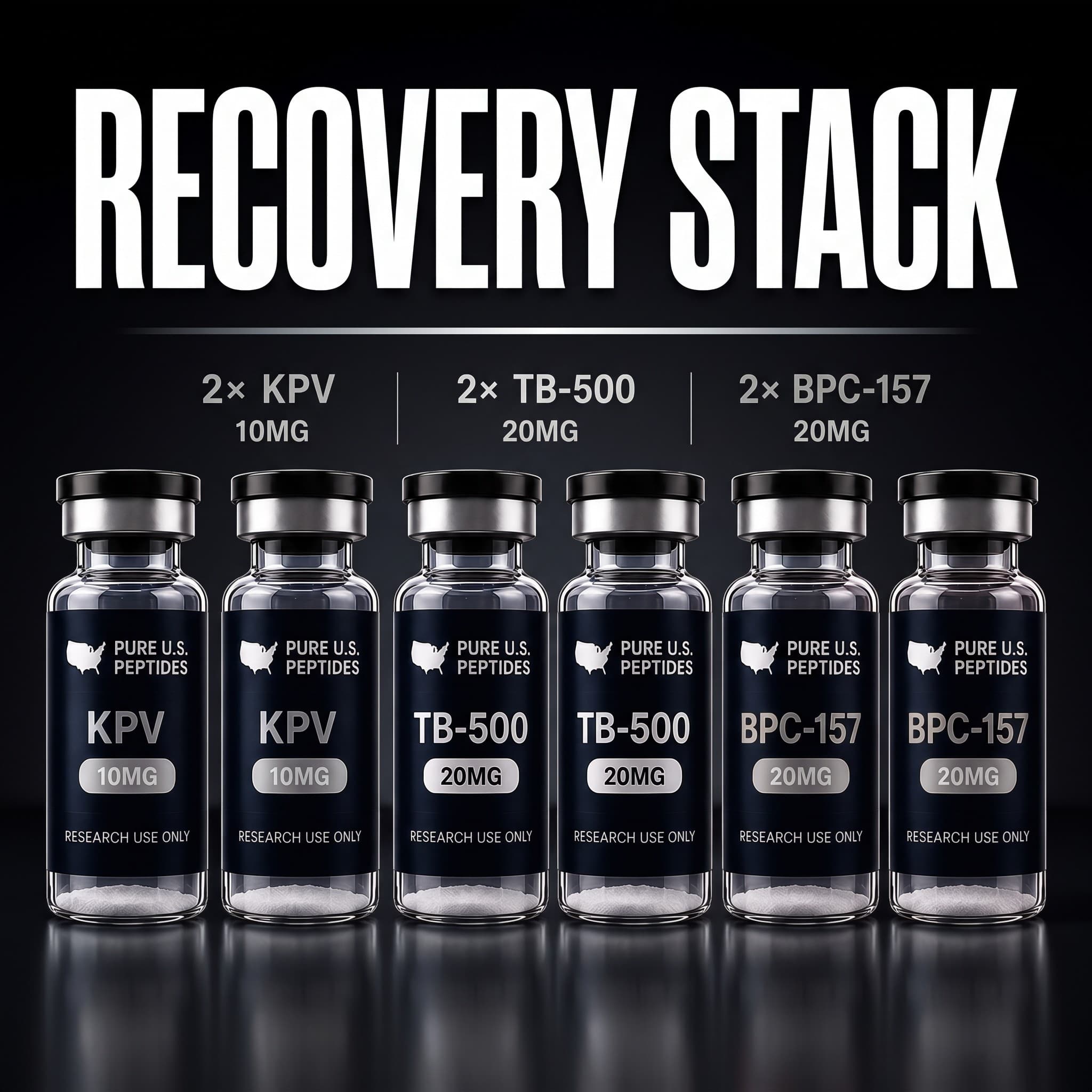
KPV + TB-500 + BPC-157 Research Kit
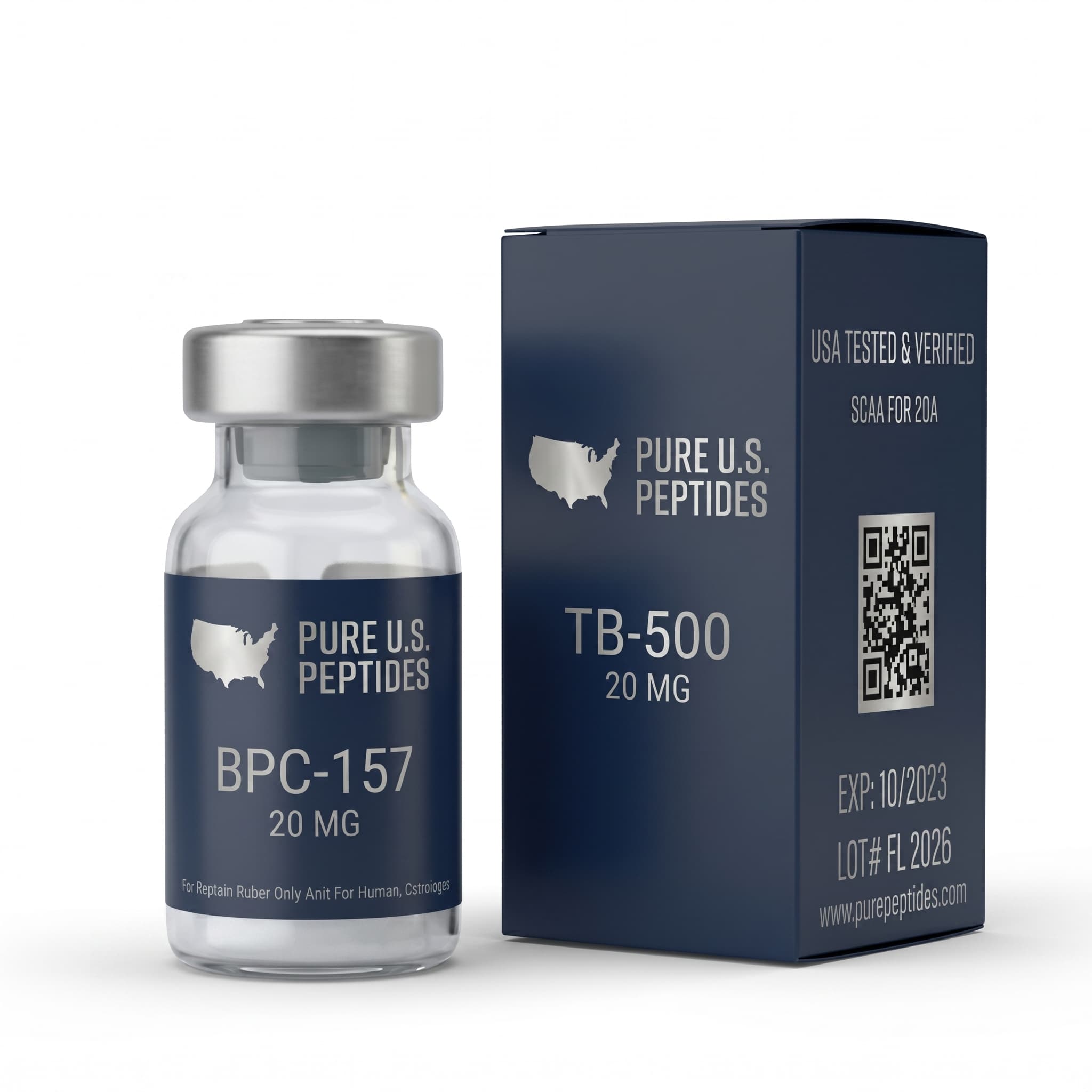
BPC-157 20mg + TB-500 20mg Bundle
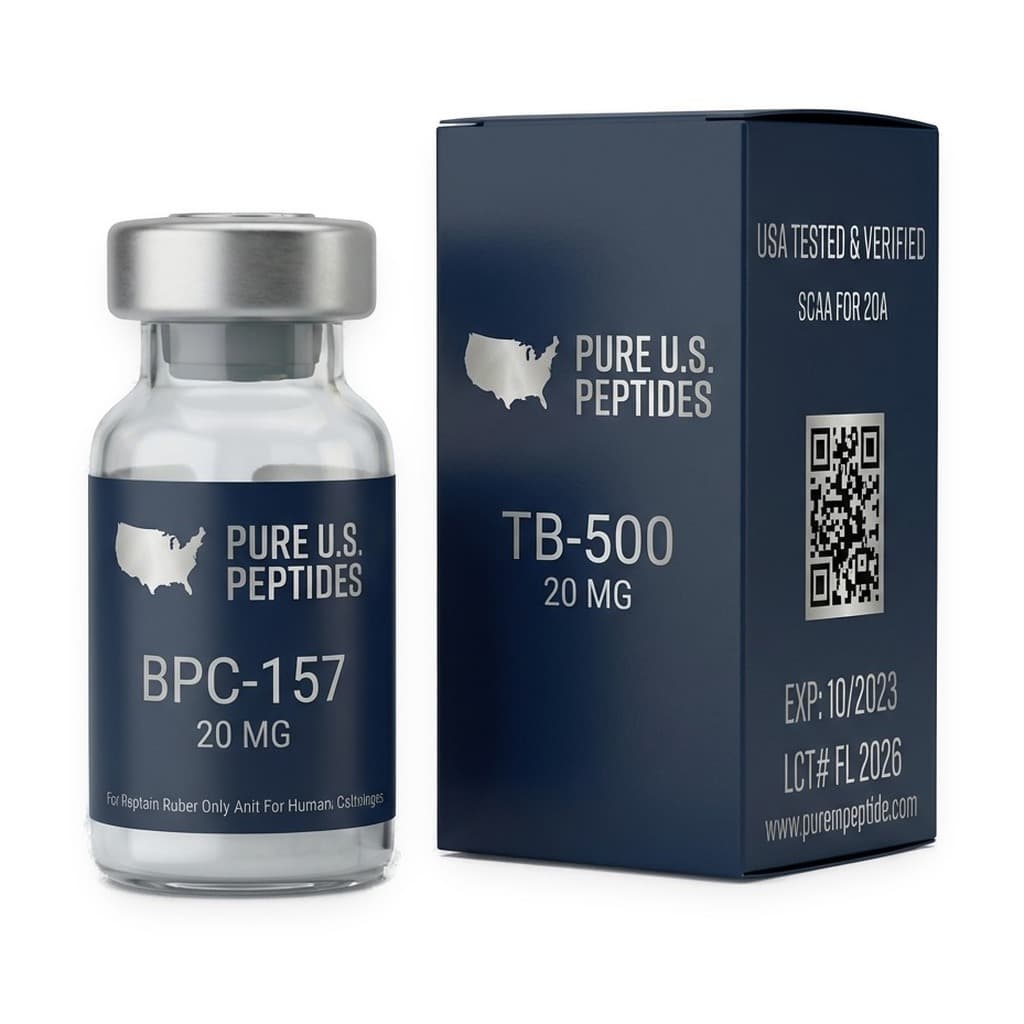
BPC-157 10mg + TB-500 10mg Bundle