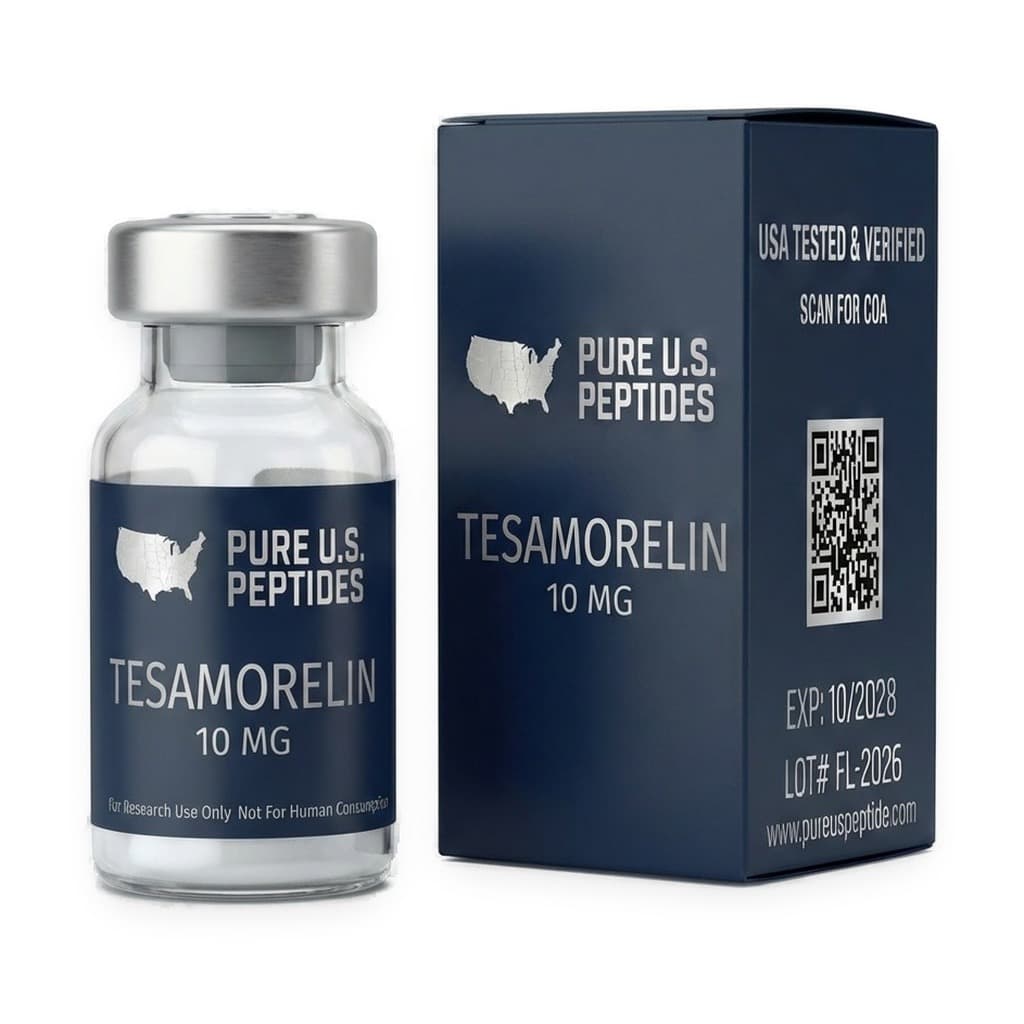
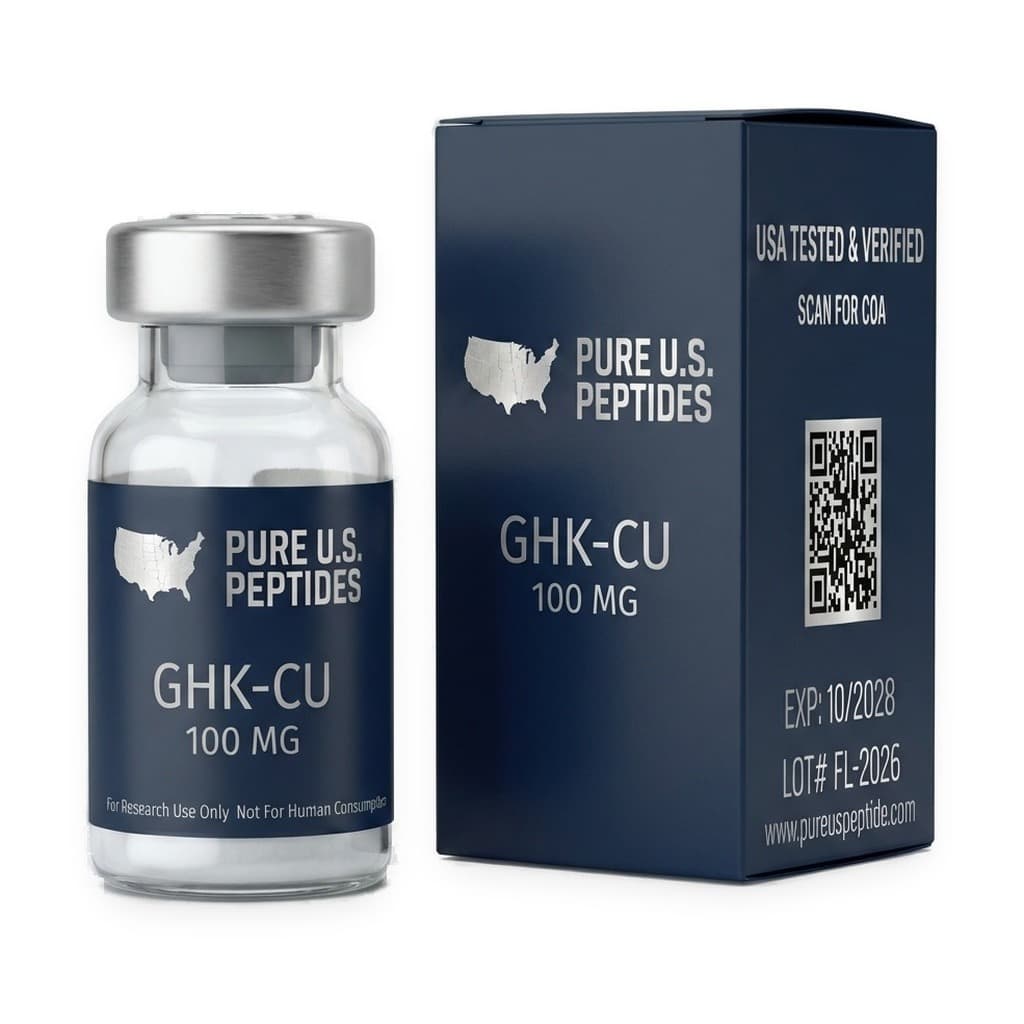
GHK-CU 100mg
Em Estoque e Pronto para Envio dos EUA
Frete GRÁTIS em todos os pedidos nos EUA
Checkout seguro via processador de pagamento criptografado


 +2.9k
+2.9kApenas para Uso em Pesquisa
Estes produtos sao destinados exclusivamente a pesquisa laboratorial e nao se destinam ao uso medico. Nao sao aprovados pela FDA para diagnosticar, tratar, curar ou prevenir qualquer doenca. Ao adquirir, voce certifica que os produtos serao utilizados exclusivamente para pesquisa e nao para consumo humano ou animal.
Resumo da Pesquisa
24 Citacoes PubMedVisao Geral GHK-Cu (Copper Tripeptide-1) e um(a) que ocorre naturalmente tripeptide complex consistindo de the aminoacidos Glycyl-L-Histidyl-L-Lysine chelated to a copper(II) ion. First isolado(a) from human plasma albumin in 1973 by Dr. Loren Pickart at UCSF.[1] Origin: GHK e um(a) endogeno(a) peptide encontrado(a) em human plasma, saliva, and urine. It is liberado(a) de the matriz extracelular during tissue injury — specifically cleaved from SPARC (Secreted Protein Acidic and Rich in Cysteine) e o(a) alpha 2(I) chain of type I collagen.[2] Age-related decline: Plasma concentration declines from aproximadamente 200 ng/mL (10⁻⁷ M) at age 20 to roughly 80 ng/mL by age 60. This decline correlates with reduziu regeneracao tecidual capacity.[2][3] Structurally, GHK-Cu features a Cu(II) ion coordinated in a distorted square-planar pyramid by four nitrogen atoms: the amino-N of glycine, the amide-N do(a) Gly-His ligacao peptidica, the imidazole-N of histidine, e um(a) oxygen from water ou um(a) carboxyl group. The complex...
GHK-CU — Dados de Pesquisa em Resumo
| Propriedade | Valor |
|---|---|
| Citacoes PubMed Referenciadas | 24 |
| Pesquisadores Colaboradores | 3 |
| Condicoes de Armazenamento | Lyophilized pó a -20°C (até 3 anos). |
| Padrao de Pureza | Certificado pendente |
| Apenas para Uso em Pesquisa | Nao destinado ao consumo humano. Apenas para uso em pesquisa. |
Compare GHK-CU com Outros Peptideos
Research guide
What is GHK-CU? Read the full research guideVisao Geral
Visao Geral
GHK-Cu (Copper Tripeptide-1) e um(a) que ocorre naturalmente tripeptide complex consistindo de the aminoacidos Glycyl-L-Histidyl-L-Lysine chelated to a copper(II) ion. First isolado(a) from human plasma albumin in 1973 by Dr. Loren Pickart at UCSF.[1]
Origin: GHK e um(a) endogeno(a) peptide encontrado(a) em human plasma, saliva, and urine. It is liberado(a) de the matriz extracelular during tissue injury — specifically cleaved from SPARC (Secreted Protein Acidic and Rich in Cysteine) e o(a) alpha 2(I) chain of type I collagen.[2]
Age-related decline: Plasma concentration declines from aproximadamente 200 ng/mL (10⁻⁷ M) at age 20 to roughly 80 ng/mL by age 60. This decline correlates with reduziu regeneracao tecidual capacity.[2][3]
Structurally, GHK-Cu features a Cu(II) ion coordinated in a distorted square-planar pyramid by four nitrogen atoms: the amino-N of glycine, the amide-N do(a) Gly-His ligacao peptidica, the imidazole-N of histidine, e um(a) oxygen from water ou um(a) carboxyl group. The complex has a characteristic blue-purple color e um(a) peso molecular of ~401.9 Da.[1]
GHK-Cu functions como um(a) safe copper delivery vehicle by "redox silencing" the Cu(II) ion — preventing Fenton reaction toxicity que free copper would cause. Its binding constant (pKa 16.44) is semelhante a albumin's copper transport site (log₁₀ = 16.2), allowing GHK to exchange copper with albumin for intracellular delivery.[3]
Mecanismo de Acao
Mecanismo de Acao
Copper Transport & "Redox Silencing"
GHK-Cu acts como um(a) carrier peptide with alto(a) affinity for copper(II) ions (pKa = 16.44). The complex "silences" copper's redox activity, preventing Fenton reaction damage enquanto delivering copper safely into cells — essencial para enzymes like lysyl oxidase (collagen crosslinking) and superoxide dismutase (antioxidante defense).[3]
Key Signaling Pathways
| Pathway | Mecanismo | Effect |
|---|---|---|
| NF-κB/p38 MAPK | Inhibits fosforilacao of NF-κB p65 and p38 MAPK | Blocks nuclear translocation → suprime TNF-α, IL-6 (Park et al., 2016)[4] |
| Nrf2/Keap1 | Promotes Nrf2 dissociation from Keap1 → nuclear translocation | HO-1 transcricao → antioxidante defense (Zhang et al., 2022)[5] |
| SIRT1/STAT3 | Upregula SIRT1 → deacetylates STAT3 → suprime RORγt | Reduces Th17 inflamacao; ↑ ZO-1/Occludin tight junctions (Mao et al., 2025)[6] |
| TGF-β | Context-dependent modulacao | Restores in COPD lungs (Campbell et al., 2012); suprime in scarring/fibrose[7] |
Ferritin Iron Blockade
GHK-Cu liga-se a ferritin channels → previne Fe(II) release → reduz iron-catalyzed lipid peroxidation by 87% (Miller et al., 1990).[8]
Gene Modulation
GHK-Cu induz >50% change in expression of 31.2% of human genes. It has been reported to shift gene expression, suppressing inflammatory and metastatic genes enquanto activating repair and remodeling genes. Analysis via o(a) Broad Institute Connectivity Map confirmou GHK modula >4,000 genes.[2][9]
ECM Synthesis
Stimulates Collagen I/III, elastin, GAGs, and decorin; modula MMPs and TIMPs for balanced tissue remodeling.[10]
Anti-Cancer Activity
Reativa apoptose (caspases 3/7) in neuroblastoma, leukemia, and breast cancer cell lines. Reverses 70% of 54 metastasis genes in colon cancer via Connectivity Map analysis.[9]
Dose-Response: Biphasic
Collagen synthesis estimulacao begins at 10⁻¹² M, peaks at 10⁻⁹ M (1 nanomolar), and disappears at higher concentrations. Systemic cicatrizacao de feridas in animals at ~1.1 mg/kg — far below reported toxic thresholds in animals.[10][3]
GHK vs. GHK-Cu
| Form | Key Difference |
|---|---|
| GHK (peptide alone) | Some efficacy (quenches lipid peroxidation by-products); copper complex necessario(a) para a maioria cicatrizacao de feridas/gene effects |
| GHK-Cu | Full regenerative profile; "redox silences" copper for safe delivery; strong chelators abolish effects |
| HGK:Cu (analog) | SOD-mimetic activity 223-fold higher do que native GHK-Cu |
Aplicacoes de Pesquisa
Aplicacoes de Pesquisa
GHK-Cu research spans dermatology, cicatrizacao de feridas, pulmonology, oncology, and neuroscience across 10+ indication categories:
- Wound Healing & Tissue Regeneration — Accelerates contraction, re-epitelialization, collagen accumulation; reduz TNF-α and MMPs. 64.5% wound size reduction vs 28.2% control (Canapp et al., 2003).[11]
- Dermatology Research — Skin-elasticity, density and collagen-production endpoints reported in cosmetic studies (collagen production 70% vs 50% for Vitamin C vs 40% for retinoic acid).[12]
- Hair Growth Stimulation — Enlarges follicle size, prolongs anagen phase; comparable to 5% minoxidil. MDCT approach: SALT score 40%→7.5%.[13]
- COPD/Emphysema — Reverses emphysematous expressao genica; restaura TGF-β pathway in lung fibroblastos.[7]
- Anti-Cancer & Metastasis Suppression — Connectivity Map identifies GHK as reverser of metastatic colon cancer gene signature; reativa apoptose in neuroblastoma/leukemia/breast cancer.[9]
- DNA Repair & Radiation Recovery — Restores replicative vitality to irradiated fibroblastos; ↑ bFGF, VEGF.[14]
- Antioxidant & Anti-Inflammatory — Neutralizes acrolein/4-HNE; bloqueia ferritin iron release (87% ↓ lipid peroxidation); suprime NF-κB.[8]
- Neuroprotection — Promotes nerve outgrowth; ↑ NGF, NT-3, NT-4; reduz anxiety/pain/aggression at 0.5 µg/kg.[15]
- Bone Regeneration — Promotes reparative osteogenesis in fracture models at 0.5 µg/kg.[16]
- Gastrointestinal Healing — IBD disease-activity endpoints (n=16); SIRT1/STAT3 pathway studied in colitis models.[6]
Caracteristicas Bioquimicas
| Propriedade | Valor |
|---|---|
| Molecular Formula | C₁₄H₂₂CuN₆O₄ |
| Molecular Weight | ~401.9 Da |
| CAS Number | 89030-95-5 |
| PubChem CID | 378611 |
| Sequence (1-Letter) | GHK |
| Sequence (3-Letter) | Gly-His-Lys |
| Structure | Linear tripeptide chelated to Cu(II) in distorted square-planar pyramid; blue-purple crystal powder |
| InChI Key | DIWZQABMLHSNJR-UHFFFAOYSA-N |
| SMILES | C1=C(NC=N1)CC(C(=O)NC(CCCCN)C(=O)O)NC(=O)CN.[Cu] |
| Origin | Endogenous — human plasma, cleaved from SPARC and type I collagen α2 chain |
| Classification | Copper Peptide Complex / Cosmeceutical / Research Peptide |
| Appearance | Blue-purple crystal powder (GHK sem copper is white) |
Identificadores
| Identity Confirmation | |
|---|---|
| Counter-Ion | |
| Detection Methods |
Resumo da Pesquisa Pre-clinica
Resumo da Pesquisa Pre-clinica
Key Preclinical Studies
| Estudo | Modelo | Principais Achados | Ref |
|---|---|---|---|
| Canapp et al. (2003) | Rats — ischemic open wounds, topico(a) daily × 13d | Wound size ↓ 64.5% vs 28.2% control; ↓ TNF-α, MMP-2, MMP-9 | [11] |
| Maquart et al. (1993) | Sprague-Dawley rats — wound chambers | Dose-dependent ↑ Collagen I/III, GAGs, DNA content (days 3–14) | [10] |
| Zhang et al. (2022) | C57BL/6J mice — CS-induziu emphysema, 12-week study | Significantly ↓ airspace enlargement; reversed MMP-9/TIMP-1 imbalance; Nrf2/Keap1 ativacao | [5] |
| Mao et al. (2025) | BALB/c mice — DSS-induziu colitis, 20 mg/kg oral × 14d | ↓ DAI score; mitigou colon shortening; SIRT1/STAT3 mechanism; ↑ ZO-1/Occludin | [6] |
| Dou et al. (2020) | 28-month-old C57BL/6 mice — 10 mg/kg, 3-wk design | Significantly faster maze completion; ↓ inflamacao; ↑ histone deacetylase 2 | [15] |
| Bobyntsev et al. (2015) | Rats — 0.5 µg/kg IP | Analgesic, anxiolytic effects; aggression reduziu 5-fold | [15] |
| Gul et al. (2008) | Rabbits — full-thickness wounds × 21–28d | Faster granulation, melhorou contraction, aumentou neovascularizacao | [17] |
| Cherdakov et al. (2010) | Rats — bone fractures, 0.5 µg/kg × 10d | Marked ↑ reparative osteogenesis; ↑ antioxidante activity | [16] |
Clinical / Human Studies
| Estudo | Population | Key Results | Ref |
|---|---|---|---|
| Photoaged Skin (12-wk) | n=71 women | Laxity, clarity, firmness, fine-line and skin-density endpoints | [12] |
| vs. Vitamin C & Retinoic Acid | n=20 women | Collagen endpoint vs Vitamin C and retinoic acid | [12] |
| Periorbital Wrinkles (12-wk) | n=41 women | Wrinkle endpoints vs placebo and Vitamin K cream | [12] |
| Nano-Lipid Carrier (RCT, 8-wk) | Female volunteers | Wrinkle volume and depth endpoints vs control and Matrixyl® 3000 | [18] |
| Skin Hydration (8-wk) | n=30 | Hydration and epidermal/dermal thickness endpoints | [18] |
| Hair Loss — MDCT | n=7 men | SALT and TSAR endpoints | [13] |
| IBD (12-wk) | n=16 | Disease-severity endpoint | [2] |
Safety Summary
| Parametro | Finding |
|---|---|
| General Safety | Excellent safety record; non-toxic and non-irritating; decades of cosmetic use sem adverse issues |
| Half-Life | ~0.5–1 hour in plasma; susceptible to carboxypeptidase degradacao |
Os produtos oferecidos neste site são fornecidos apenas para estudos in vitro. Estudos in vitro (do latim: em vidro) são realizados fora do corpo. Estes produtos não são medicamentos ou fármacos e não foram aprovados pelo FDA dos EUA para prevenir, tratar ou curar qualquer condição médica, enfermidade ou doença. A introdução corporal de qualquer tipo em humanos ou animais é estritamente proibida por lei.
Apenas para Pesquisa Laboratorial. Não se destina ao uso humano, uso médico, uso diagnóstico ou uso veterinário.
TODOS OS ARTIGOS E INFORMAÇÕES SOBRE PRODUTOS FORNECIDOS NESTE SITE SÃO APENAS PARA FINS INFORMATIVOS E EDUCACIONAIS.
Autores e Atribuicao
✍️ Autor do Artigo
Dr. Loren Pickart, PhD (1938–2023)
Loren Pickart, PhD, was a biochemist no(a) University of California, San Francisco (UCSF), e o(a) discoverer of GHK-Cu. He isolado(a) GHK from human plasma albumin in 1973 and identificado(a) its ability to make old liver tissue synthesize younger protein profiles. He founded ProCyte Corporation (1985–1991) and Skin Biology, Inc. to commercialize copper peptide products. In later years, he used the Broad Institute Connectivity Map to demonstrate GHK modula >4,000 human genes. Key publications: 'Tripeptide in human serum que prolongs survival of normal liver cells' (1973), 'Growth-modulating plasma tripeptide may function by facilitating copper uptake into cells' (1980, Nature), 'The human tri-peptide GHK and tissue remodeling' (2008), 'GHK Peptide como um(a) Natural Modulator of Multiple Cellular Pathways in Skin Regeneration' (2015), 'Regenerative and Protective Actions do(a) GHK-Cu Peptide' (2018). Loren Pickart is referenced como o(a) foundational scientist in GHK-Cu research. De forma alguma este(a) médico(a)/cientista endossa ou defende a compra, venda ou uso deste produto por qualquer motivo. Não existe afiliação ou relação, implícita ou de outra forma, entre a Pure US Peptide e este(a) médico(a).
Ver Perfil Completo do Pesquisador →🎓 Autor de Revista Cientifica
Dr. François-Xavier Maquart
François-Xavier Maquart is a researcher/professor no(a) Laboratory of Biochemistry, Faculty of Medicine, University of Reims, France, collaborating with Jacques-Paul Borel. His group conducted foundational studies no(a) 1980s–1990s establishing que GHK-Cu at nanomolar concentrations estimula collagen, dermatan sulfate, and decorin synthesis. He demonstrated que GHK-Cu modula metalloproteinases and TIMPs for balanced tissue remodeling, and proved the copper-binding activity is essencial para regenerative effects. Key publications: 'Stimulation of sintese de colageno in fibroblasto cultures by GHK-Cu²⁺' (1988, FEBS Letters), 'In vivo estimulacao of connective tissue accumulation by GHK-Cu²⁺' (1993), 'GHK-Cu²⁺ estimula matrix metalloproteinase-2 expression' (2000). François-Xavier Maquart é referenciado(a) como um(a) cientista líder na pesquisa de GHK-Cu. De forma alguma este(a) médico(a)/cientista endossa ou defende a compra, venda ou uso deste produto por qualquer motivo. Não existe afiliação ou relação, implícita ou de outra forma, entre a Pure US Peptide e este(a) médico(a).
Ver Perfil Completo do Pesquisador →Dr. François-Xavier Maquart is being referenced as one of the leading scientists involved in the research and development of GHK-CU. In no way is this doctor/scientist endorsing or advocating the purchase, sale, or use of this product for any reason. There is no affiliation or relationship, implied or otherwise, between Pure US Peptide and this doctor. The purpose of citing the doctor is to acknowledge, recognize, and credit the exhaustive research and development efforts conducted by the scientists studying this peptide.
🔬 Pesquisador Colaborador
Dr. Anna Margolina, PhD
Anna Margolina, PhD, worked no(a) Research & Development Department of Skin Biology, Inc. A long-time collaborator with Dr. Pickart, she was instrumental in analyzing GHK's effects on expressao genica. Her research focuses on GHK's potential to reverse epigenetic changes associado(a) com aging, cancer metastasis, and COPD. Key publications: 'GHK-Cu may Prevent Oxidative Stress in Skin' (2015, Cosmetics), 'GHK and DNA: Resetting the Human Genome to Health' (2014), 'The Human Tripeptide GHK-Cu in Prevention of Oxidative Stress and Degenerative Conditions of Aging' (2012). Anna Margolina is referenced as um(a) principal scientist in GHK-Cu research. De forma alguma este(a) médico(a)/cientista endossa ou defende a compra, venda ou uso deste produto por qualquer motivo. Não existe afiliação ou relação, implícita ou de outra forma, entre a Pure US Peptide e este(a) médico(a).
Ver Perfil Completo do Pesquisador →Dr. Anna Margolina, PhD is being referenced as one of the leading scientists involved in the research and development of GHK-CU. In no way is this doctor/scientist endorsing or advocating the purchase, sale, or use of this product for any reason. There is no affiliation or relationship, implied or otherwise, between Pure US Peptide and this doctor. The purpose of citing the doctor is to acknowledge, recognize, and credit the exhaustive research and development efforts conducted by the scientists studying this peptide.
Citacoes Referenciadas
Pickart L, Vasquez-Soltero JM, Margolina A. Cosmetics. 2015;2(3):236-247.
DOIPickart L. Journal of Biomaterials Science, Polymer Edition. 2008;19(8):969-988.
DOIPickart L, Margolina A. Regenerative and Protective Actions do(a) GHK-Cu Peptide no(a) Light do(a) New Gene Data. International Journal of Molecular Sciences. 2018;19(7):1987.
DOIPark JR, Lee H, Kim SI, Yang SR. The tri-peptide GHK-Cu complex melhora lipopolysaccharide-induziu agudo(a) lung injury in mice. Oncotarget. 2016;7(36):58405-58417.
DOIZhang Q, Yan L, Lu J, Zhou X. Glycyl-L-histidyl-L-lysine-Cu2+ atenua cigarette smoke-induziu pulmonar emphysema and inflamacao by reducing estresse oxidativo pathway. Frontiers in Molecular Biosciences. 2022;9:925700.
DOIMao S, Huang J, Li J, et al. Exploring the beneficial effects of GHK-Cu on an experimental model of colitis e o(a) underlying mechanisms. Frontiers in Pharmacology. 2025;16:1551843.
DOICampbell JD, McDonough JE, Zeskind JE, et al. A expressao genica signature of emphysema-related lung destruction e seu(sua) reversal pelo(a) tripeptide GHK. Genome Medicine. 2012;4(8):67.
DOIMiller DM, DeSilva D, Pickart L, Aust SD. Effects of glycyl-histidyl-lysyl chelated Cu(II) on ferritin dependent lipid peroxidation. Advances in Experimental Medicine and Biology. 1990;264:79-84.
PubMedPickart L, Vasquez-Soltero JM, Margolina A. BioMed Research International. 2014;2014:151479.
DOIMaquart FX, Pickart L, Laurent M, et al. Stimulation of sintese de colageno in fibroblasto cultures pelo(a) tripeptide-copper complex glycyl-L-histidyl-L-lysine-Cu2+. FEBS Letters. 1988;238(2):343-346.
DOICanapp SO Jr, Farese JP, Schultz GS, et al. Veterinary Surgery. 2003;32(6):515-523.
DOIAbdulghani AA, Sherr A, Shirin S, et al. Disease Management and Clinical Outcomes. 1998;1(4):136-141.
PubMedKuceki G, Coppinger AJ, Ragi SD, et al. JAAD International. 2025;20:38-40.
DOIPollard JD, Quan S, Kang T, Koch RJ. Effects of copper tripeptide no(a) growth and expression of fator de crescimentos by normal and irradiated fibroblastos. Archives of Facial Plastic Surgery. 2005;7(1):27-31.
DOIDou Y, Lee A, Zhu L, et al. The potential of GHK como um(a) anti-envelhecimento peptide. Aging Pathobiology and Therapeutics. 2020;2(1):58-61.
DOICherdakov VYu, et al. Peptide combination (GHK, Dalargin, Thymogen) promove reparative osteogenesis in rats with bone fractures. Bulletin of Experimental Biology and Medicine. 2010.
PubMedGul NY, Topal A, Cangul IT, Yanik K. Veterinary Dermatology. 2008;19(1):7-14.
DOIBadenhorst T, Svirskis D, Merrilees M, et al. Journal of Aging Science. 2016;4(3):166.
DOIPickart L, Vasquez-Soltero JM, Margolina A. GHK Peptide como um(a) Natural Modulator of Multiple Cellular Pathways in Skin Regeneration. BioMed Research International. 2015;2015:648108.
DOIHong Y, Downey T, Eu KW, et al. Clinical & Experimental Metastasis. 2010;27(2):83-90.
DOIPickart L, Freedman JH, Loker WJ, et al. Growth-modulating plasma tripeptide may function by facilitating copper uptake into cells. Nature. 1980;288(5792):715-717.
DOISimeon A, Emonard H, Hornebeck W, Maquart FX. The tripeptide-copper complex glycyl-L-histidyl-L-lysine-Cu2+ estimula matrix metalloproteinase-2 expression by fibroblasto cultures. Life Sciences. 2000;67(18):2257-2265.
DOIKang YA, Choi HR, Na JI, et al. Copper-GHK aumenta integrin expression and p63 positivity by queratinocitos. Archives of Dermatological Research. 2009;301(4):301-306.
DOIPickart L, Vasquez-Soltero JM, et al. Brain Sciences. 2017;7(2):20.
DOIAviso de Uso em Pesquisa
Apenas para Uso em Pesquisa (RUO). Nao destinado ao consumo humano, uso clinico, ou como medicamento, alimento, cosmetico ou dispositivo medico. Este produto nao foi avaliado pelo FDA e e fornecido exclusivamente para pesquisa laboratorial in vitro por profissionais qualificados.
Certificado de Analise
Published certificates come from third-party laboratories. If this listing's certificate is still pending, the card below says so.
Ultimo Relatorio de Laboratorio
Armazenamento e Manuseio
Resumo
Lyophilized pó a -20°C (até 3 anos). Estável pH 5.0–7.0; dissocia abaixo de pH 4 ou acima de pH 9. Mantenha longe de umidade sob gás inerte.
Condições Recomendadas de Armazenamento Laboratorial
Liofilizado Powder: Store in a freezer at or below -20°C for estabilidade a longo prazo (até 3 years). Blue-purple crystal powder appearance.
Solutions: Store at -80°C por até 1 year; 4°C for shorter periods. Keep away from moisture under inert gas (N₂ or Argon).
pH Stability: Stable no(a) range of pH 5.0–7.0. May dissociate and release free copper below pH 4 or above pH 9.
Incompatibilities: Do not mix with strong oxidants, chelating agents (EDTA, carnosine), or Vitamin C — apply at diferente times.
Pureza: O certificado de lote deste produto está pendente.
Handling: Allow vials to warm to room temperature before opening para prevenir moisture condensation. Hygroscopic material.
“Resumo da Pesquisa Pre-clinica Key Preclinical Studies Estudo Modelo Principais Achados Ref Canapp et al.”
Compostos de Pesquisa Relacionados
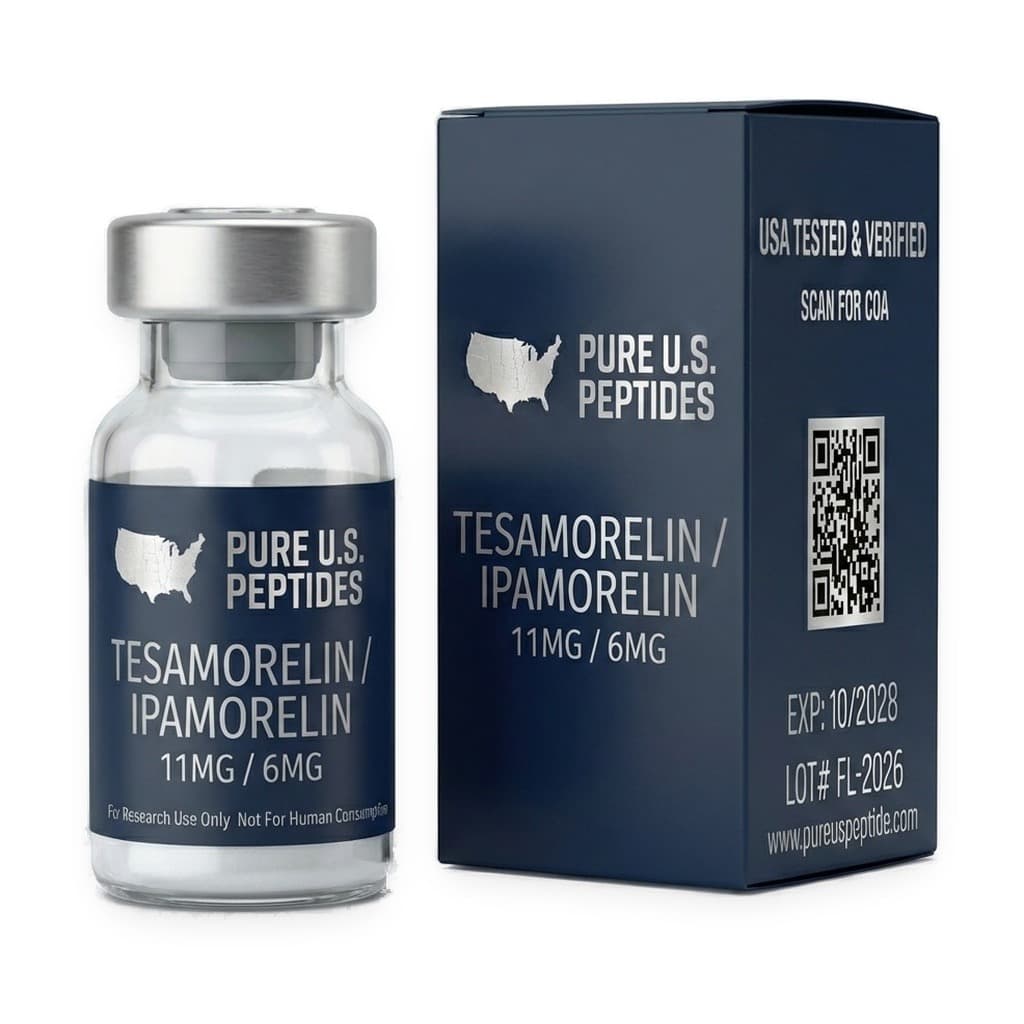
Tesamorelin/Ipamorelin Blend 11mg/6mg
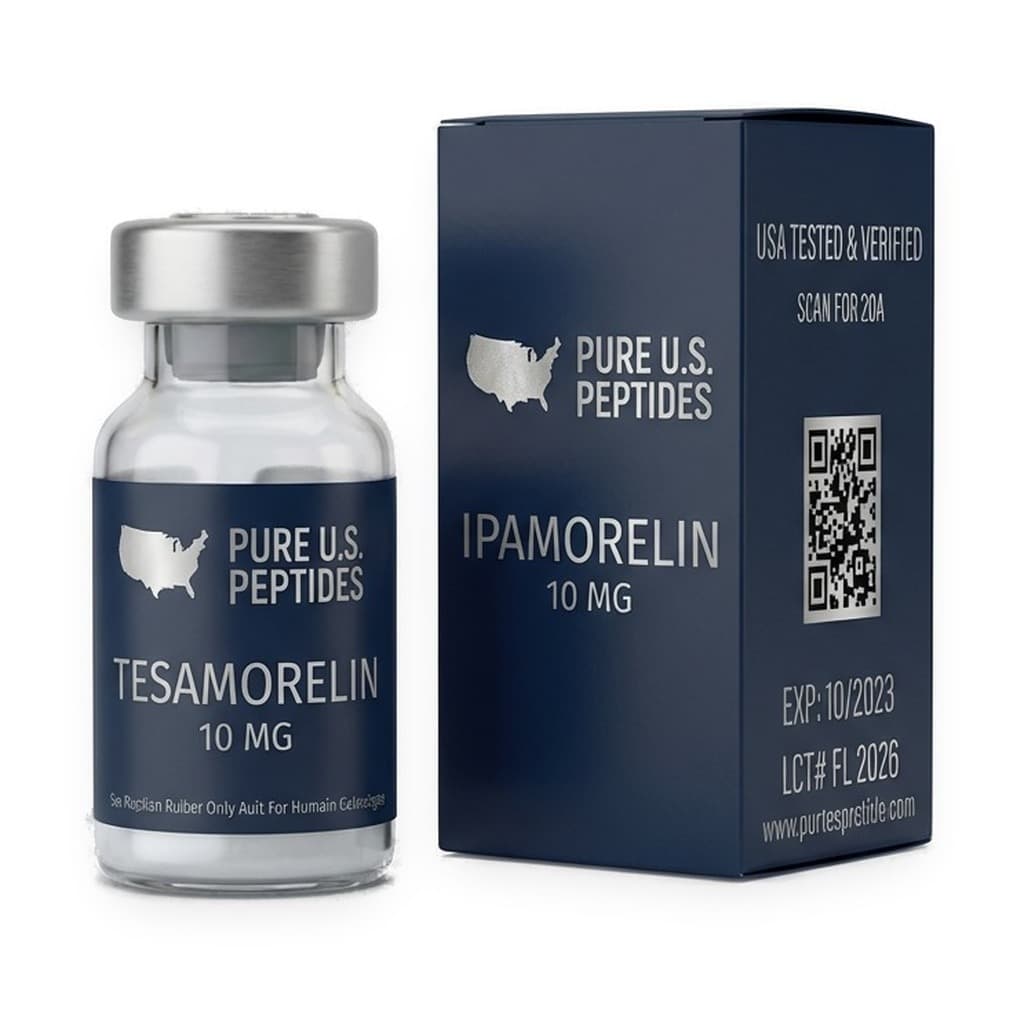
Tesamorelin 10mg + Ipamorelin 10mg Bundle
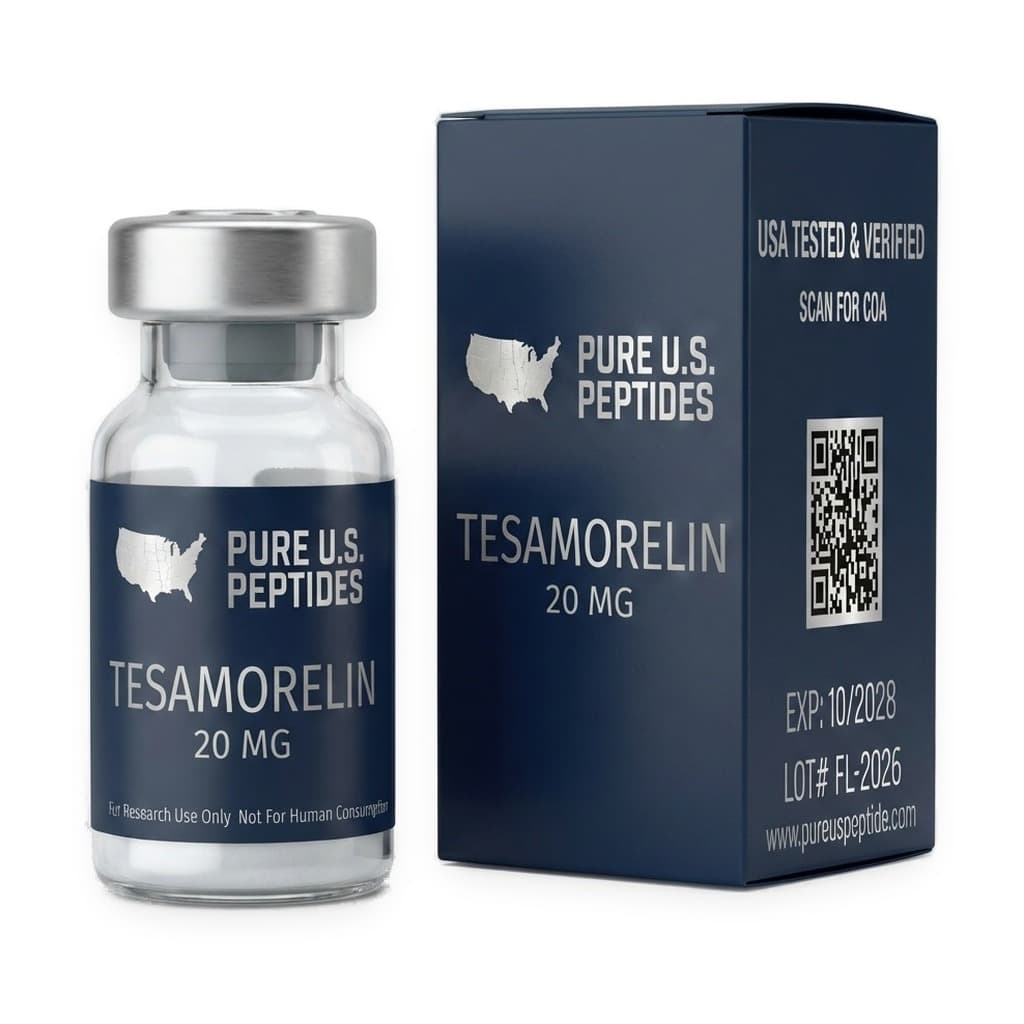
Tesamorelin
20mg